
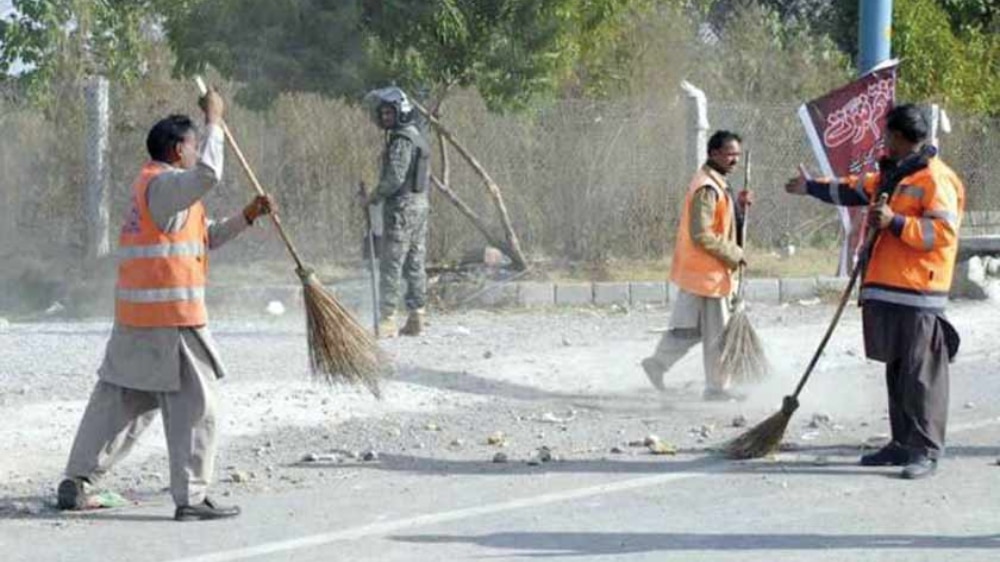
The Punjab government established a new Punjab cleanliness record by achieving 103% of its operational targets during the first day of Eid-ul-Azha. Under the “Suthra Punjab” framework, the administration deployed a calibrated mix of manual labor and drone technology to manage unprecedented waste volumes. Consequently, this initiative transformed a traditional logistical challenge into a benchmark for precision-driven public service across the province.
Calibrating the Punjab Cleanliness Record with Digital Oversight
Chief Minister Maryam Nawaz Sharif personally directed the operation through a centralized digital dashboard. Specifically, the Punjab Safe Cities Authority utilized drone cameras to identify animal waste in narrow streets and high-density markets. This real-time data allowed sanitation teams to execute surgical removals, transferring over 120,000 tons of waste to designated collection points. Furthermore, the operation covered a staggering 1.881 million square kilometers, ensuring no urban or rural sector remained neglected.
Operational Logistics of the Suthra Punjab Initiative
The strategic deployment began on Chand Raat, focusing on the sanitation of over 1,200 sacrificial sites and 1,000 kilometers of road infrastructure. Administrative officials, including commissioners and deputy commissioners, maintained an active presence in the field despite severe heat conditions. Additionally, authorities utilized rose water to fragrance places of worship, enhancing the spiritual environment for Eid congregations. Consequently, the structural integration of technology and human capital resulted in a 103% completion rate against the baseline forecast.
The Translation: Contextualizing 103% Efficiency
In logistics, a “103% target achievement” signifies that the government not only met its projected goals but also addressed unplanned contingencies. By surpassing the baseline, the Suthra Punjab program demonstrated a capacity to handle more than the anticipated volume of waste through superior resource allocation. This precision indicates a transition from reactive cleaning to a data-driven, proactive management system.
The Socio-Economic Impact
- Public Health: Rapid waste removal significantly reduces the risk of water-borne pathogens and insect-borne diseases in urban centers.
- Economic Efficiency: The use of Safe City drones reduced the man-hours required for manual patrolling, optimizing provincial expenditure.
- Citizen Morale: High-quality public services in residential areas foster a stronger social contract between the state and its citizens.
The Forward Path: A Momentum Shift
The success of the Eid-ul-Azha operation represents a definitive Momentum Shift for Punjab’s administrative machinery. Moving beyond traditional methods to embrace drone-assisted logistics proves that systemic efficiency is achievable in Pakistan. To maintain this trajectory, the government must now institutionalize these “peak-load” strategies into daily municipal protocols, ensuring that cleanliness is a permanent structural feature rather than a seasonal achievement.








