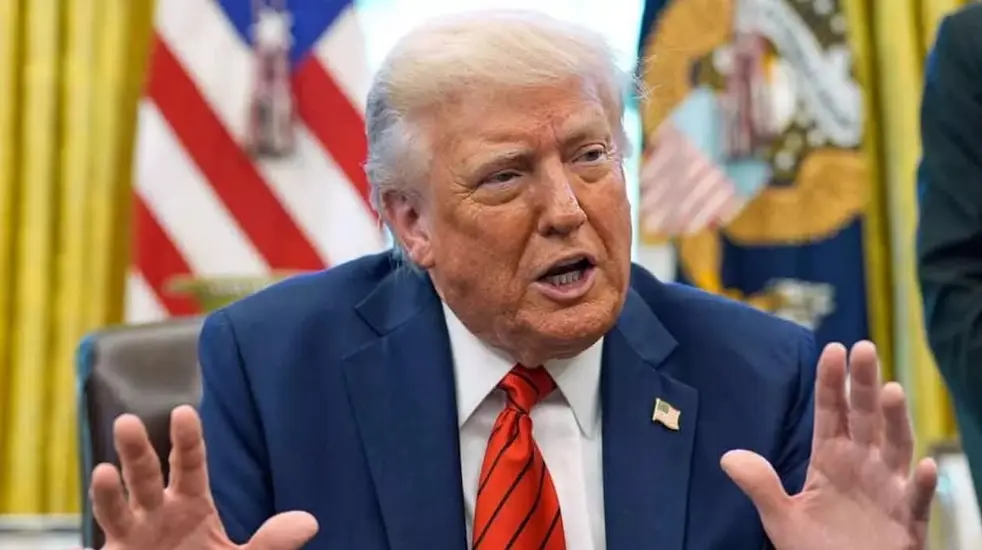
Geopolitical systems rely on predictable baselines, yet the current US administration is recalibrating these norms through high-stakes maneuvers. Recent data confirms that Trump military action has now extended to at least 15 countries through direct strikes, threats, or formal warnings. This strategic shift, primarily concentrated within the first 16 months of the current term, signals a precision-driven yet aggressive departure from traditional diplomacy.
A Structural Mapping of Global Friction Points
President Donald Trump recently intensified his foreign policy rhetoric by warning Oman of potential military intervention. Consequently, this warning serves as a catalyst for renewed scrutiny regarding the “Madman Theory” of international relations. Since returning to office, the administration has calibrated its force through strikes in several key regions:
- Middle East & Asia: Iran, Iraq, and Yemen.
- Africa: Nigeria and Somalia.
- Americas: Syria, Venezuela, and targeted operations in the Caribbean and Pacific.

Furthermore, the administration has refused to rule out military options against traditional allies and neighbors. This list includes Canada, Mexico, Colombia, and Greenland. Such actions represent a stark contrast to previous campaign promises focused on reducing US involvement in foreign conflicts.
The Strategy of Unpredictability
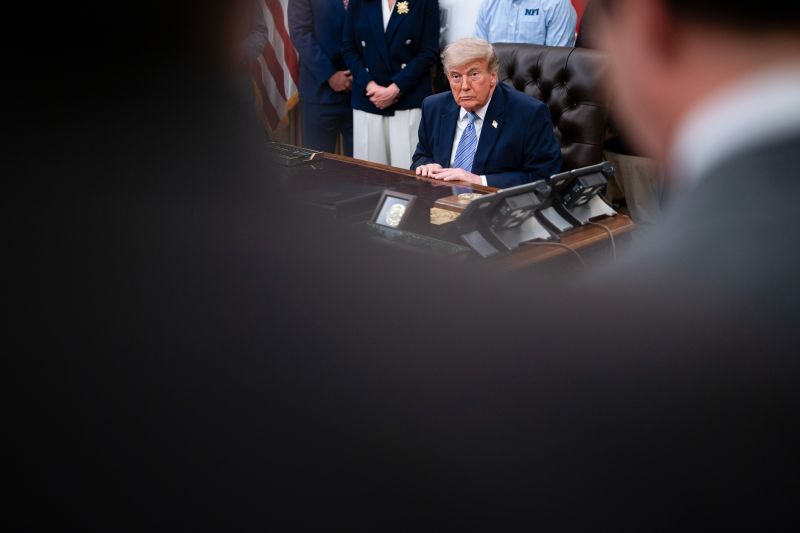
The “Madman Theory” serves as the primary engine for this Trump military action. By appearing willing to deploy extreme force, the administration seeks to intimidate rivals into submission. Specifically, the warning to Oman regarding the Strait of Hormuz highlights a desire to maintain structural control over global energy corridors.

The Situation Room Analysis
The Translation (Clear Context)
In technical terms, the US is moving from a “Stabilization Model” to a “Disruption Model.” The “Madman Theory” isn’t about irrationality; it is a calibrated tool of leverage. By making the “cost of defiance” appear high and unpredictable, the US aims to force bilateral concessions without engaging in long-term, expensive ground wars. It is a precision-based psychological operation scaled to a global level.
The Socio-Economic Impact

For the average Pakistani citizen, these developments directly influence market stability. Specifically, threats surrounding the Strait of Hormuz often lead to immediate spikes in global oil prices. Consequently, this increases the cost of fuel and electricity in urban centers like Karachi and Lahore. Furthermore, the resulting shipping volatility can delay the import of essential STEM equipment and consumer goods, driving domestic inflation.

The “Forward Path” (Opinion)
This development represents a Momentum Shift toward unilateralism. While it may provide short-term tactical advantages in negotiations, the long-term structural integrity of global alliances is at risk. For Pakistan, the forward path requires strategic neutrality and a focus on internal economic resilience to buffer against the inevitable shocks of this “Disruption Model.”