

National advancement requires a calibrated approach to human capital development. Consequently, the Punjab government has strategically launched Punjab summer camps across 12 high-priority districts. This initiative, operating under the Taleem Program, aims to fortify foundational learning skills during the extended vacation period. By establishing 6,060 learning centers, the state is actively mitigating the “summer slide” in education. Therefore, this intervention ensures that academic momentum remains unbroken for thousands of students across the province.
Operational Blueprint for Punjab Summer Camps
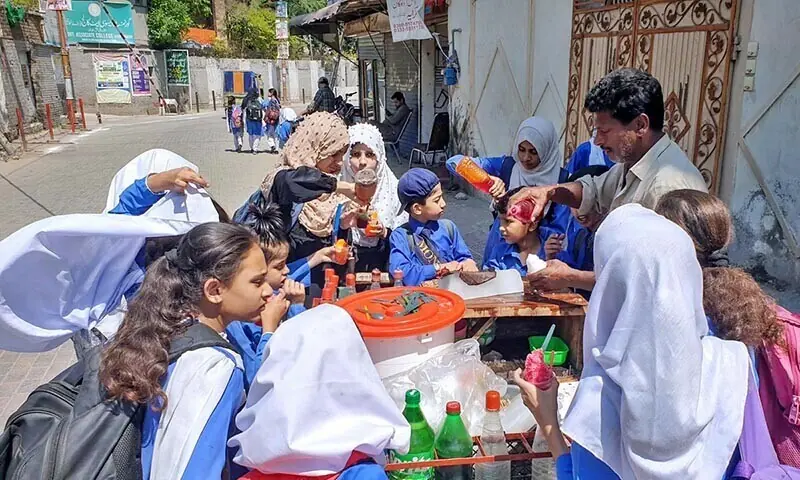
The School Education Department has designated specific timelines to maximize efficiency. These Punjab summer camps will run from June 2 until August 7, 2026, targeting students in Bahawalpur, D.G. Khan, and ten other critical districts. To accommodate the seasonal climate, classes will operate for five days a week between 7:00 AM and 9:30 AM. This precise scheduling allows for focused academic engagement while safeguarding student well-being during peak summer temperatures.
Strategic Resource Allocation
The program utilizes 3,030 selected schools to reach its structural goals. Furthermore, the authorities have implemented a robust logistics framework to support these 12 districts:
- Bahawalnagar and Bahawalpur
- Bhakkar and Chiniot
- D.G. Khan and Layyah
- Lodhran, Mianwali, and Muzaffargarh
- Pakpattan, Rahim Yar Khan, and Rajanpur
Incentivizing Educational Excellence
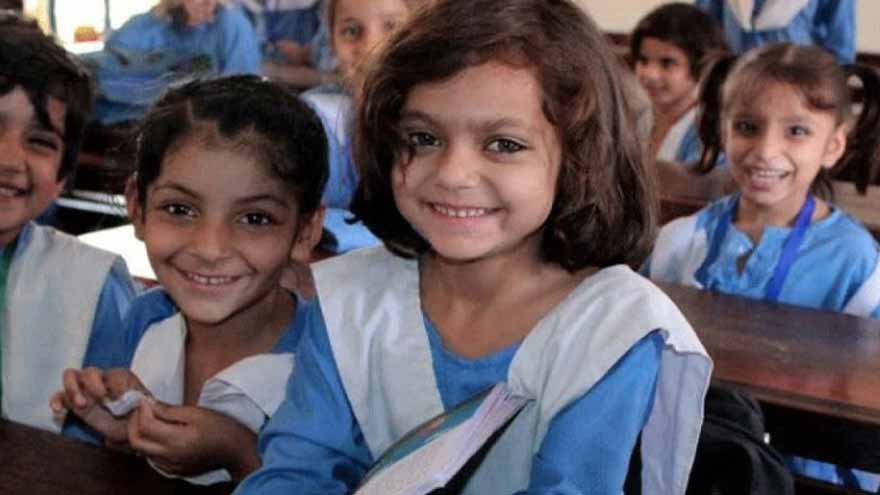
High-quality outcomes require a motivated workforce. To ensure this, the School Education Department has integrated a significant financial catalyst. Participating teachers will receive an additional Rs. 40,000 per month on top of their regular salaries. This calibrated incentive aims to attract the most dedicated educators to the summer program. Additionally, district education authorities must complete all operational arrangements before the June launch to guarantee a seamless transition into the learning phase.

The Situation Room Analysis
The Translation
The “Taleem Program” is not merely an extra class; it is a structural redesign of how we handle academic gaps. By focusing on “foundational literacy and numeracy,” the government is addressing the root cause of high dropout rates. Essentially, if a child masters the basics now, they are 80% more likely to succeed in higher secondary education. This is precision-targeted education at its finest.
The Socio-Economic Impact
For the average household in districts like Rajanpur or Bhakkar, this program provides a safe, productive environment for children during the heat. Economically, the Rs. 40,000 teacher bonus injects significant capital into the local middle-class economy. Professionally, it builds a culture of meritocracy and performance-based rewards within the civil service framework.
The Forward Path
This development represents a Momentum Shift. Moving beyond passive summer breaks into active, incentivized learning indicates a maturing educational system. If the data from these 6,060 camps shows a baseline improvement in literacy, we should expect a province-wide rollout by 2027. This is how you build a knowledge-based economy from the ground up.








