
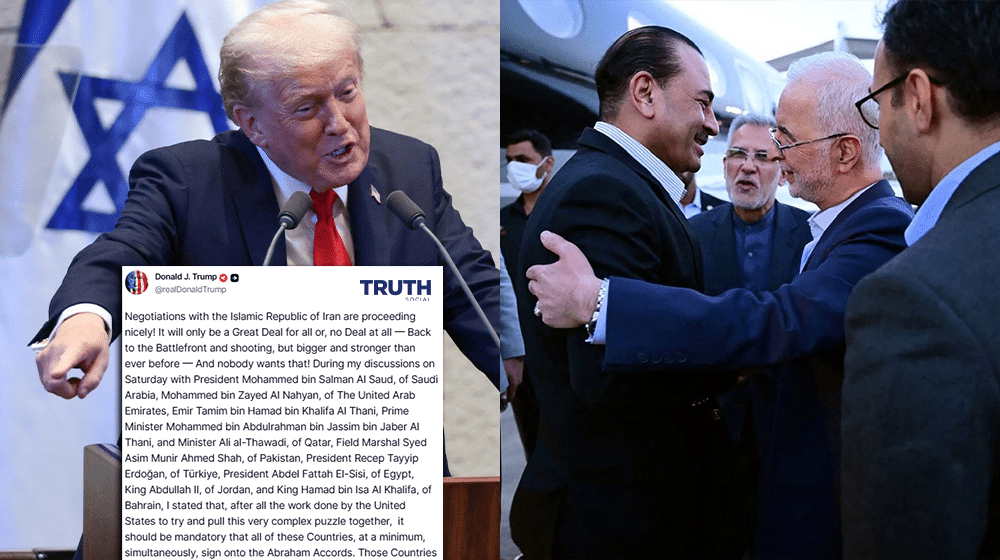
US President Donald Trump recently proposed a calibrated shift in global geopolitics, advocating for an Abraham Accords Expansion to include Pakistan and key Arab nations. This strategic maneuver seeks to stabilize the Middle East through formal diplomatic recognition of Israel. Consequently, the proposal positions Pakistan as a pivotal catalyst in resolving regional friction while fostering a new framework for economic integration.
The Translation: Contextualizing the Diplomatic Blueprint
Technically, this proposal shifts the regional baseline from isolation to integration. The Abraham Accords are a series of US-brokered agreements designed to normalize diplomatic, economic, and security relations between Israel and Muslim-majority nations. Trump’s vision for an Abraham Accords Expansion utilizes recognition as a tool for systemic stabilization. By including Pakistan’s leadership, specifically General Syed Asim Munir, the plan aims to build a synchronized security architecture that reduces reliance on conflict-heavy diplomacy.
Why an Abraham Accords Expansion Impacts Global Security
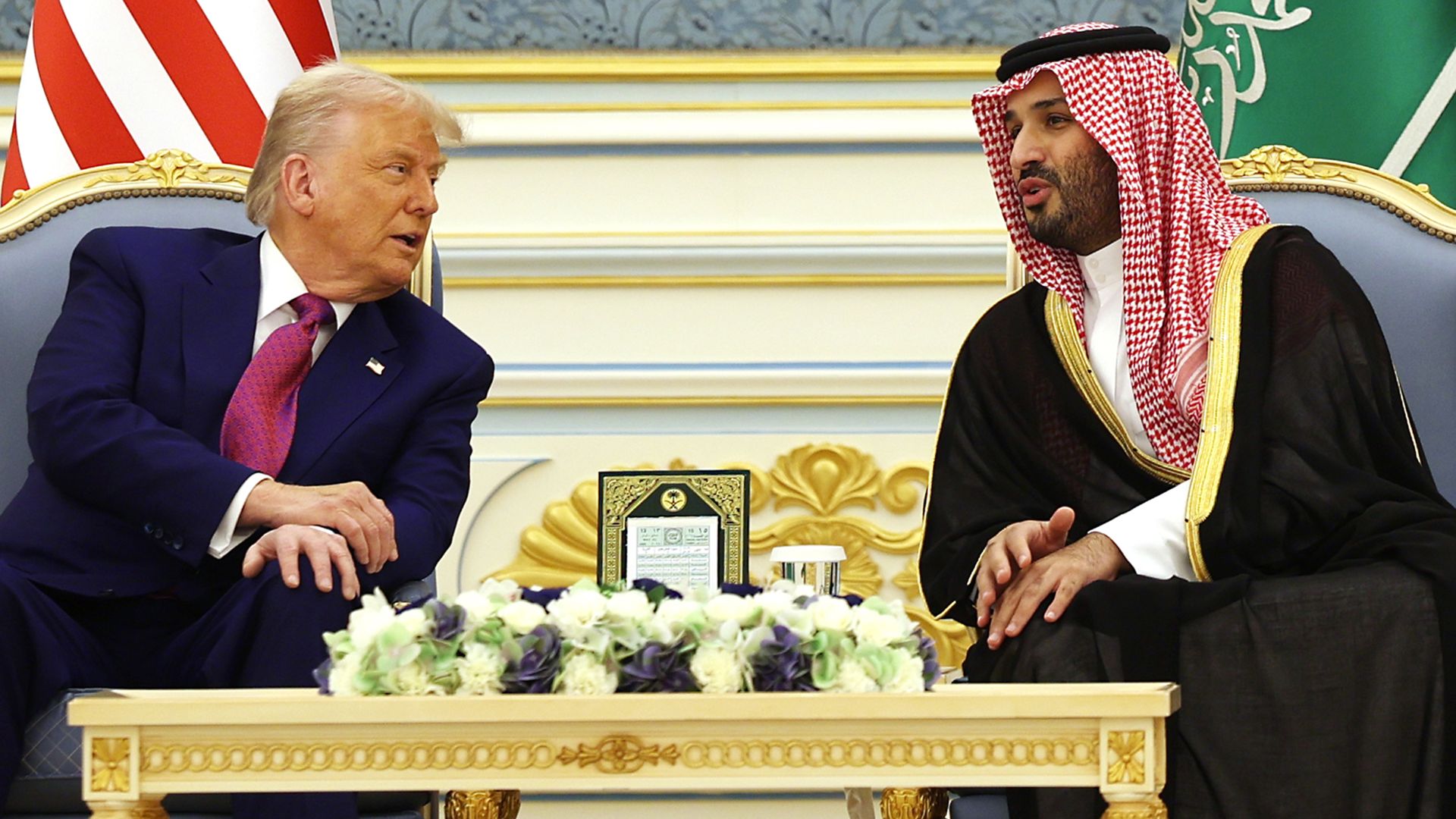
Trump emphasized that participation should be mandatory for nations such as Türkiye, Egypt, Jordan, and Bahrain. In a strategic post on Truth Social, he described discussions with regional leaders aimed at creating a unified diplomatic front. Furthermore, he argued that immediate inclusion of Qatar and Saudi Arabia would provide the necessary momentum for a diplomatic breakthrough. This expansion serves as a foundation for broader regional integration, moving beyond traditional security paradigms toward shared economic prosperity.
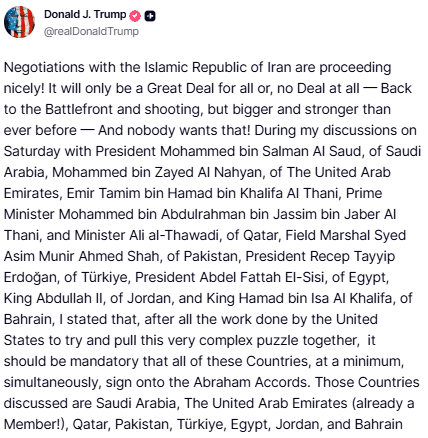
The original accords already include the United Arab Emirates and Bahrain, delivering measurable economic and social benefits. Trump now urges immediate participation from key regional players, particularly Pakistan, to ensure a major diplomatic breakthrough in Middle East peace efforts. The focus remains on strengthening economic cooperation while contributing to stability alongside ongoing diplomatic efforts involving Iran.
The Socio-Economic Impact: What This Means for Pakistan
For the Pakistani citizen, this development suggests a potential recalibration of the nation’s economic trajectory. Increased diplomatic alignment often precedes enhanced trade corridors and technology transfers. However, the immediate impact would likely be felt in the volatility of regional markets and the shifting baseline of international investment confidence. For professionals and students, a stabilized Middle East opens new doors for regional mobility and collaborative innovation across the STEM sectors.
- Economic Integration: Potential for new trade agreements and diversified investment portfolios.
- Security Baseline: Reduced regional tensions could lead to a more predictable economic environment.
- Strategic Positioning: Pakistan’s role as a regional power could be enhanced through formal diplomatic channels.
The Forward Path: Strategic Analysis
This development signifies a Momentum Shift. The proposal demands a precision-led response from Pakistan’s leadership. While the diplomatic hurdles are significant, the potential for a new regional equilibrium suggests that Pakistan is being viewed as a critical component of international systemic efficiency. Constructive engagement with such frameworks may offer a strategic catalyst for long-term national advancement, provided the move is calibrated against our domestic priorities.








