A nation’s progress is calibrated by the reliability of its transit infrastructure, yet the recent collision on the M-16 motorway highlights a catastrophic failure in current Motorway Safety Protocols. Consequently, at least 16 citizens lost their lives and six others sustained injuries when a passenger van collided with a stationary bus on the Swat Expressway. This high-density tragedy occurred when a van traveling from Rawalpindi to Dir struck a bus parked on the roadside, which was originally en route from Karachi to Buner.
The Structural Breakdown of the M-16 Incident
Emergency responders and the Motorway Police calibrated a rapid tactical response, shifting victims to the Mardan Medical Complex for urgent intervention. Specifically, the deceased include a broad demographic of men, women, and children, which underscores the devastating baseline of this event. Initial data suggests that the primary catalyst for the collision was reckless driving and operational negligence by the van operator.
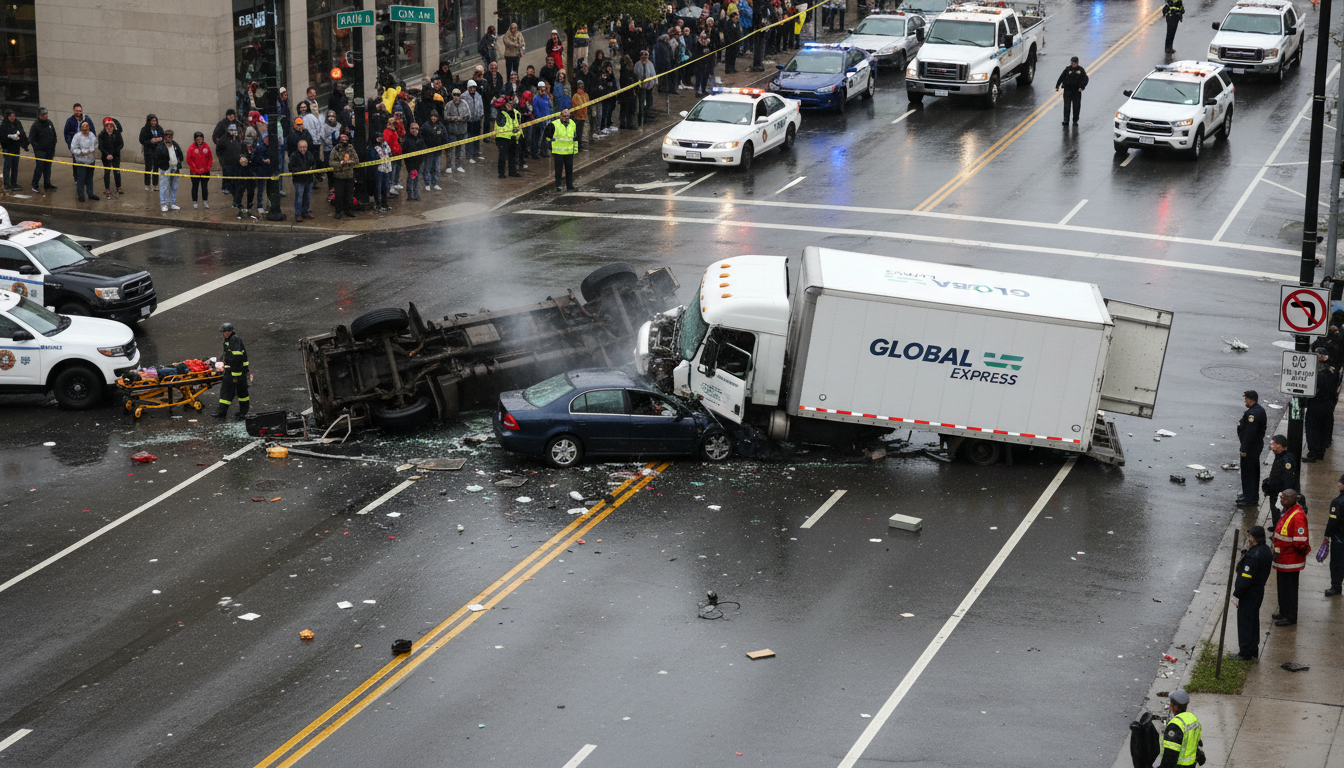
Furthermore, Khyber Pakhtunkhwa Information Minister Shafi Jan confirmed that the provincial government is providing optimized medical treatment to survivors. While authorities continue their investigation, the wreckage serves as a grim indicator of the risks associated with high-speed transit and poorly managed roadside stops.

The Situation Room Analysis
The Translation: Systems Over Symbols
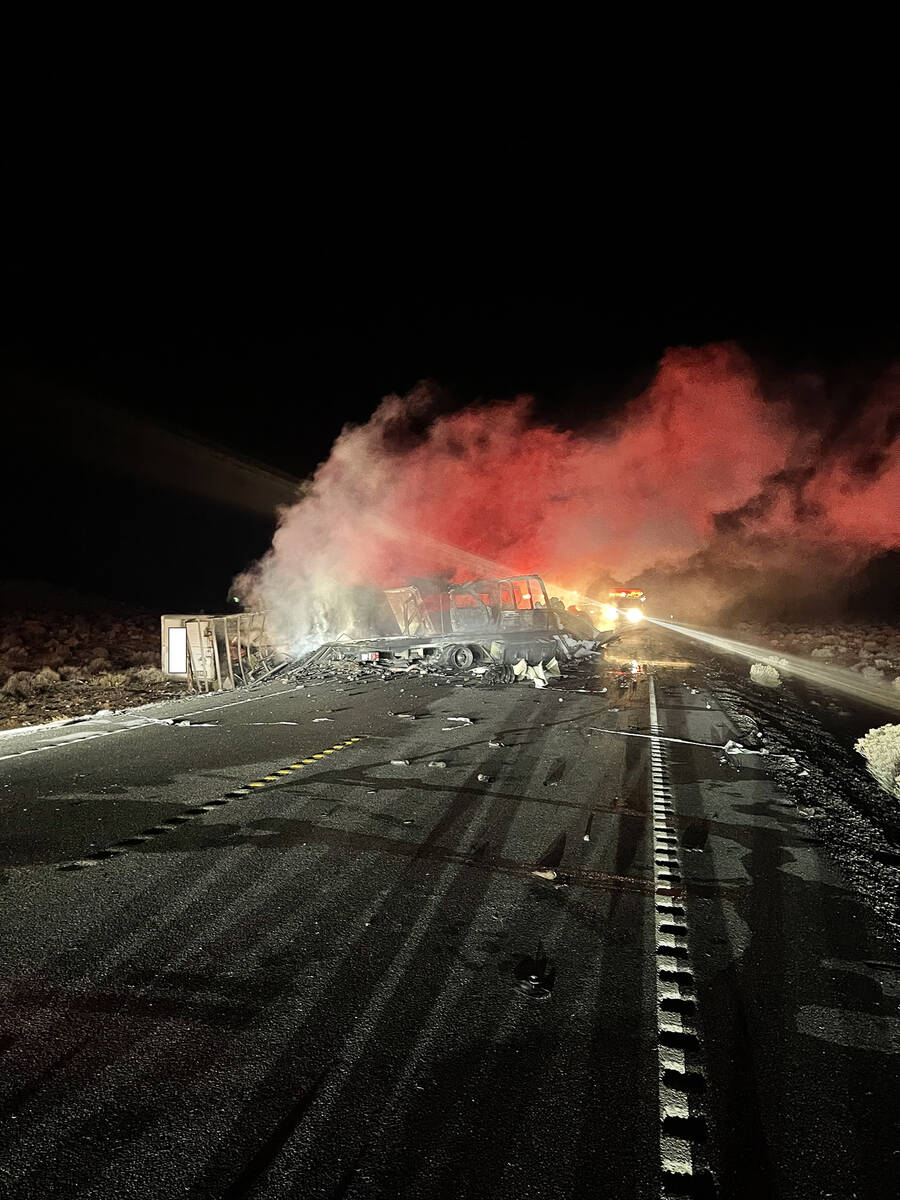
In technical terms, this incident represents a “Stationary Hazard Failure.” Motorways are designed for fluid, high-velocity movement; any static object becomes a high-kinetic threat. The logic dictates that Motorway Safety Protocols must strictly enforce designated emergency lanes and prohibit unauthorized roadside parking to prevent such rear-end terminal impacts.
The Socio-Economic Impact: The Cost of Mobility
This tragedy directly impacts the daily security of Pakistani families and the logistical confidence of our workforce. When transit corridors become sites of mass casualties, it increases the “Risk Premium” for regional commerce. Ultimately, the loss of 16 lives creates a vacuum in 16 households, eroding the human capital necessary for national advancement.

The Forward Path: A Stabilization Move
We classify this development as a urgent call for a “Stabilization Move” in our national infrastructure strategy. Simply providing asphalt is insufficient; we must integrate precision enforcement technologies, such as automated hazard detection and stricter licensing requirements for commercial operators. Pakistan must transition from reactive mourning to proactive systems engineering to ensure our motorways act as catalysts for growth rather than sites of tragedy.