Maintaining structural integrity in public transit systems is paramount during high-volume religious observances. Consequently, Punjab Traffic Police recently enforced a strategic ban on sacrificial animal transport within passenger vehicles to mitigate structural risks to public safety. DIG Muhammad Waqas Nazir issued specific directives targeting buses, vans, and coaches. Therefore, the provincial administration aims to streamline traffic flow while ensuring livestock welfare during the high-demand Eid ul Azha season.
The Logic Behind Safer Sacrificial Animal Transport
The DIG emphasized that transporting heavy livestock on rooftops or inside cramped passenger compartments creates severe kinetic imbalances. Such practices endanger human passengers and also cause unnecessary distress to the animals. Specifically, authorities have mandated that livestock must move exclusively via designated goods transport vehicles. Traffic officers across all districts received instructions to launch rigorous enforcement actions against violators throughout the holiday period.
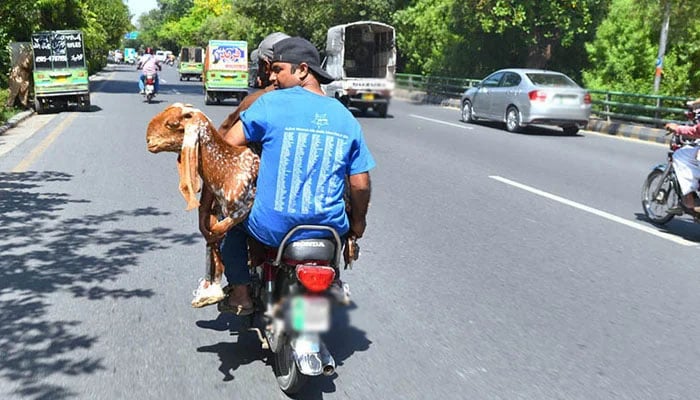
Calibrated logistics planning helps prevent preventable tragedies on the road. Nazir urged livestock owners to avoid compromising safety for the sake of reduced transportation costs. Furthermore, the department appeals to all citizens to adhere to traffic laws to maintain order. By prioritizing safety over convenience, the province can ensure a more stable and secure environment for everyone during the festive rush.
The Situation Room Analysis
The Translation
In technical terms, this directive shifts the logistics of sacrificial animal transport from a “mixed-use” haphazard model to a “specialized” cargo model. Transporting a 200kg animal in a vehicle designed for humans alters the vehicle’s center of gravity and braking distance. By mandating goods-only transport, the police are applying mechanical logic to traffic management to reduce high-speed rollover risks on provincial highways.
The Socio-Economic Impact
For the average Pakistani citizen, this move translates to safer inter-city travel during one of the busiest weeks of the year. While livestock sellers might face a marginal increase in logistics costs, the long-term benefit includes reduced livestock mortality and fewer road-closure incidents. For urban households, this ensures that the animals they purchase arrive in better physical condition, preserving the value of their religious investment.
The Forward Path
This development represents a Momentum Shift toward modernized urban governance. Instead of temporary fixes, Punjab is moving toward a baseline where safety standards dictate logistics. For a truly “Next Gen” Pakistan, this precision-based enforcement must become a year-round standard for all cargo types, not just seasonal livestock. This is a constructive step toward systemic efficiency and public discipline.