

Mozilla has officially calibrated the digital gateway by unveiling its most significant Firefox redesign since 2020. This structural overhaul, internally codenamed Project Nova, integrates advanced privacy tools and precision AI controls to redefine the modern browsing experience. Consequently, users can expect a streamlined interface that prioritizes speed and user sovereignty across both desktop and mobile platforms.
The Firefox Redesign: A Structural Pivot to Precision
Engineers have meticulously refined the visual architecture of the browser. The update introduces softer, rounded tabs and a sophisticated color palette inspired by fire, utilizing deep smoky purples and warm gradients. Furthermore, the active tab now features a distinct glow, ensuring users maintain high visibility of their current workflow. Mozilla is also reintroducing Compact Mode, responding to community demand for high-density layouts that maximize screen real estate.

The redesign extends beyond aesthetics to functional efficiency. For example, Firefox now surfaces critical workflow tools like tab groups, vertical tabs, and split view. These elements act as a catalyst for productivity, allowing professionals to manage complex datasets and multiple research streams with unprecedented ease.
Privacy Calibration and AI Decentralization
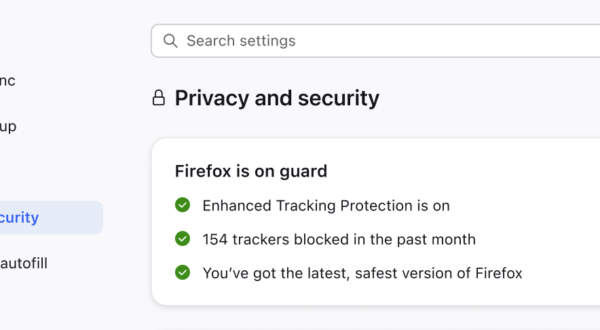
Mozilla continues to position itself as a baseline for digital security. The new settings menu simplifies Enhanced Tracking Protection, making privacy controls more accessible to the average user. Significantly, data shows that blocking third-party trackers has already improved page load speeds by 9% over the last year. This performance boost stems from reducing the external scripts that the browser must process.

In contrast to competitors, Mozilla has introduced a dedicated AI kill switch. This feature empowers users to deactivate all AI-integrated features with a single click. By providing this toggle, Firefox establishes a new standard for user consent in an era of rapid AI expansion.
The Translation: Deciphering Project Nova
Project Nova represents more than a cosmetic facelift; it is a systematic reconfiguration of how users interact with the web. While other browsers force-feed AI integration, Mozilla is building a modular environment. This means the browser adapts to your specific needs—whether you require a dense, data-heavy layout or a minimalist, privacy-focused portal.
Socio-Economic Impact: Empowering the Pakistani Digital Citizen
For the Pakistani workforce and student body, these updates offer tangible benefits. The 9% increase in load speeds is a critical efficiency gain in regions where internet stability varies. Moreover, the enhanced privacy tools protect individuals from invasive data harvesting, which is essential for digital safety. By lowering the hardware overhead through tracker blocking, Firefox ensures that even mid-range devices can maintain professional-grade performance.
The Forward Path: Momentum Shift
This development represents a clear Momentum Shift. By choosing to offer an “AI-optional” experience, Mozilla is not just maintaining its market share; it is leading a counter-movement toward digital sovereignty. This strategic move provides a necessary alternative to the data-hungry ecosystems of global tech giants, reinforcing Firefox as the architect’s choice for a private, high-performance web.
Users interested in testing this framework can access the experimental Nightly channel. By enabling the browser.nova.enabled flag in the configuration settings, early adopters can experience the future of browsing today.








