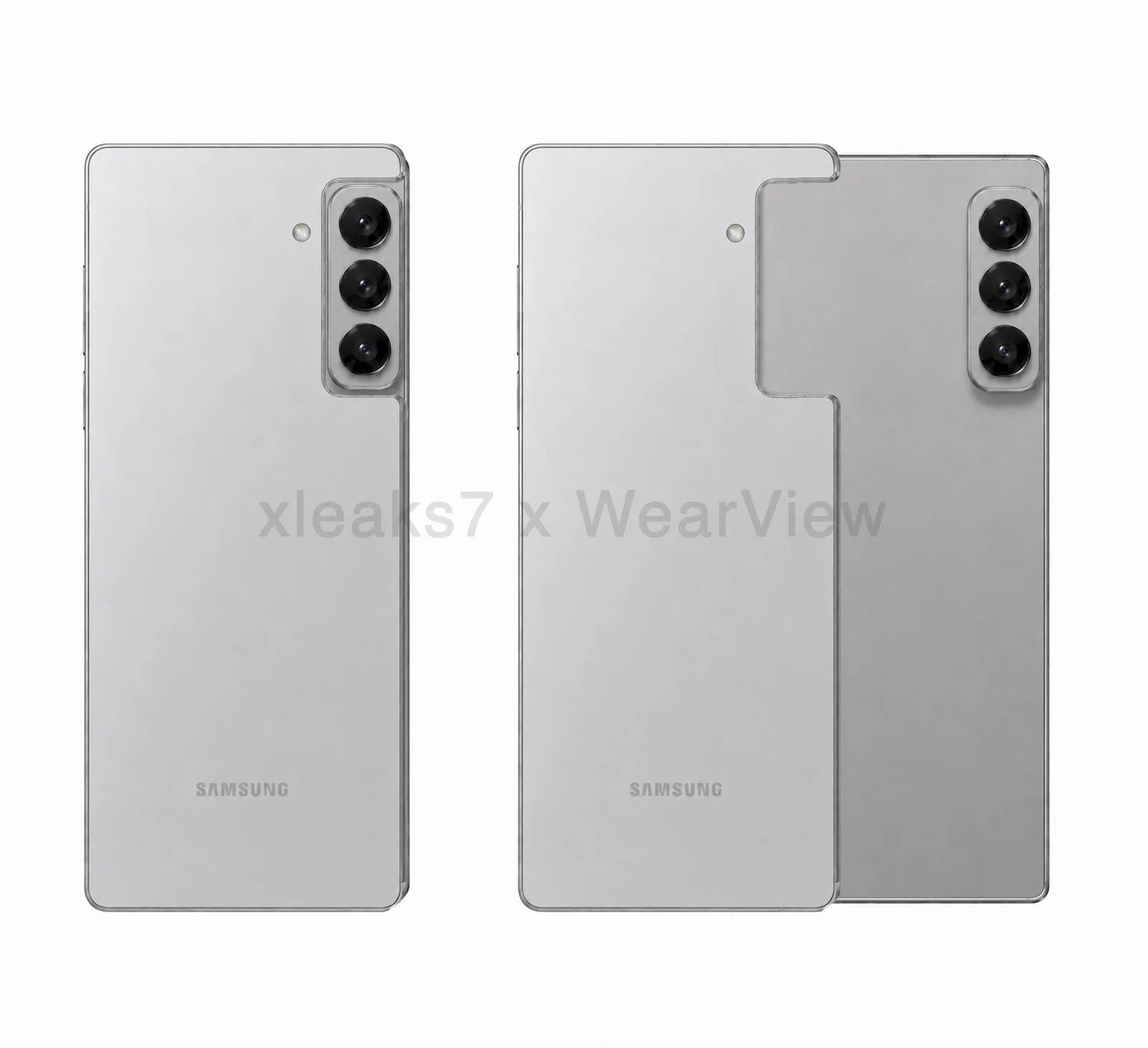
Samsung engineers have recently calibrated a new vision for mobile hardware through a patent filing for a Samsung Rollable Phone. This innovative design integrates a dynamic display with a movable camera module that physically shifts as the screen expands. Consequently, this structural precision ensures that the camera remains perfectly aligned regardless of the device’s physical dimensions.
The Logic of a Moving Camera Module
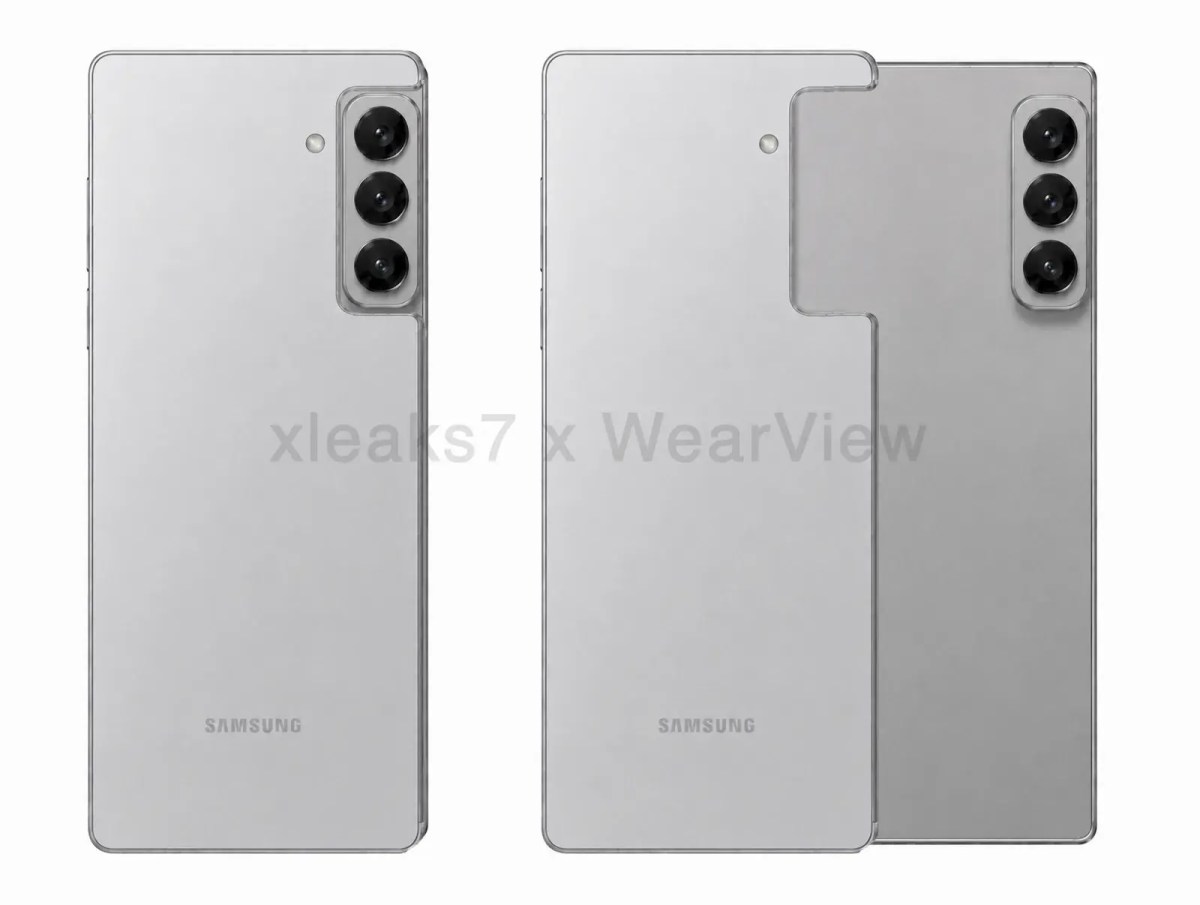
The patent filings describe a sophisticated mechanical cutout on the rear panel. This system allows the camera module to glide in synchronization with the expanding OLED screen. Unlike traditional foldables, this Samsung Rollable Phone maintains a sleek profile while offering an adaptable surface area for high-intensity tasks.

Strategic sensors within the chassis detect every millimeter of display expansion. These sensors calibrate the hardware in real-time, adjusting antenna positions and camera focus to match the shifting internal geometry. This baseline of precision hardware management represents a significant leap from static smartphone architectures.
Structural Versatility: From Phone to Tablet
When retracted, the device mimics the familiar ergonomics of a flagship like the Galaxy S26 Ultra. However, the mechanism acts as a catalyst for productivity when the user extends the screen. In its fully expanded state, the device provides a canvas comparable to the Galaxy Z Fold7, blending portability with high-capacity utility.

Furthermore, Samsung’s history with rollable prototypes in 2023 suggests this isn’t merely theoretical. By combining folding and rolling capabilities into a single patent, the company is defining the next generation of flexible display technology. This structural evolution addresses the current durability concerns of traditional hinges found in today’s market.
The Translation (Clear Context)
At its core, this patent solves the “form factor fatigue” currently affecting the mobile industry. By allowing the camera and internal antennas to move along a rail system, Samsung eliminates the dead space usually found in static devices. This is not just a screen that gets bigger; it is a device that reconfigures its entire internal nervous system to optimize performance in any size.
The Socio-Economic Impact
For the Pakistani professional and student, this technology promises a “One Device” reality. Instead of purchasing both a smartphone and a tablet, a single Samsung Rollable Phone could serve as a portable workstation in Karachi’s business districts or a research tool in rural educational settings. Reducing the need for multiple devices could lower long-term tech expenditures for high-utility users.
The “Forward Path” (Opinion)
This development represents a clear Momentum Shift. While a patent is not a product, the level of detail regarding sensor-driven hardware adjustments shows that Samsung is moving past aesthetic gimmicks toward structural efficiency. We are witnessing the blueprint for a post-foldable era where the limitations of mechanical hinges are finally engineered out of existence.