

Structural resilience represents the baseline for sustainable urban development in high-risk seismic zones. Professor Moussa Leblouba from the University of Sharjah has calibrated a revolutionary anti-earthquake device that utilizes basic physics to neutralize seismic energy. Unlike conventional electronic systems, this precision-engineered cylinder dissipates vibrations through mechanical friction. Consequently, it offers a high-efficiency solution for structural stabilization without the need for an external power source.
The Translation: Mechanical Energy Dissipation
The technical logic behind this invention relies on a cylinder housing a central rod and branching internal shafts. Leblouba filled the internal chamber with tightly packed steel balls to create a high-friction environment. When seismic waves strike a building, the central rod moves strategically within the cylinder. This movement forces the internal branches through the steel spheres, which converts kinetic energy into heat through friction. Essentially, the device acts as a structural shock absorber that converts a building’s dangerous sway into harmless thermal energy.
Strategic Advantages and Performance Metrics
During rigorous laboratory evaluations, the system achieved a damping ratio of approximately 14%. This metric indicates a significant reduction in structural vibration. Furthermore, the anti-earthquake device offers several calibrated benefits for modern engineering:
- No-Power Reliability: Operates entirely on physical laws, ensuring functionality during power grid failures.
- Modular Architecture: Engineers can easily replace individual components or adjust the system for specific building weights.
- Cost-Efficiency: The simple design reduces manufacturing overhead and long-term maintenance requirements.
- Retrofit Potential: Its compact size allows for installation in existing historical or vulnerable buildings.
The Socio-Economic Impact: Protecting Pakistan’s Skyline
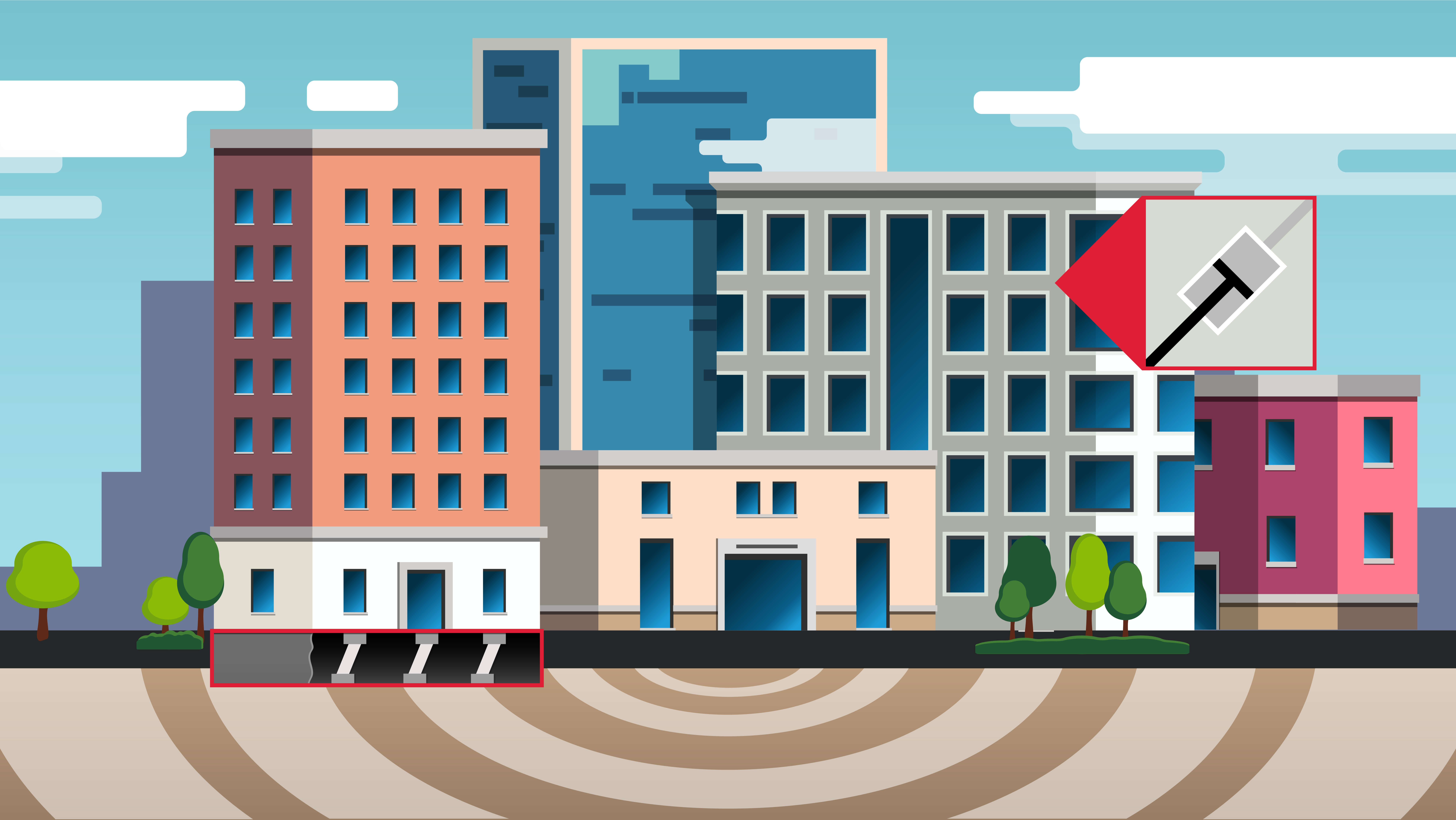
For a nation like Pakistan, which sits atop active fault lines such as the Chaman and Main Himalayan Thrust, this technology is a potential life-saver. High-density urban centers like Karachi and Islamabad face extreme risk from seismic events. Traditional earthquake-proofing remains prohibitively expensive for most local developers. However, Leblouba’s low-cost anti-earthquake device could democratize structural safety. By lowering the financial barrier to seismic protection, we can safeguard schools, hospitals, and low-income housing projects that are currently defenseless against tremors.
The Forward Path: Momentum Shift
This development represents a definitive Momentum Shift in civil engineering. While the current prototype handles small-scale movements of 1mm to 5mm, the successful damping of 5 kilonewtons per millimeter proves the underlying physics are sound. The transition from laboratory success to real-world deployment requires larger-scale simulations and site-specific testing. If integrated into Pakistan’s building codes, this device could serve as a catalyst for a safer, more resilient national infrastructure.








