The structural integrity of a national sports team relies on a calibrated balance between veteran experience and emerging talent. Consequently, the latest PCB selection decisions for the upcoming three-match ODI series against Australia have ignited a critical discourse within the sporting community. While the return of senior players aims to provide stability, the exclusion of high-performing domestic athletes raises questions about the long-term architectural vision of the squad.
Analyzing the New Pakistan ODI Squad
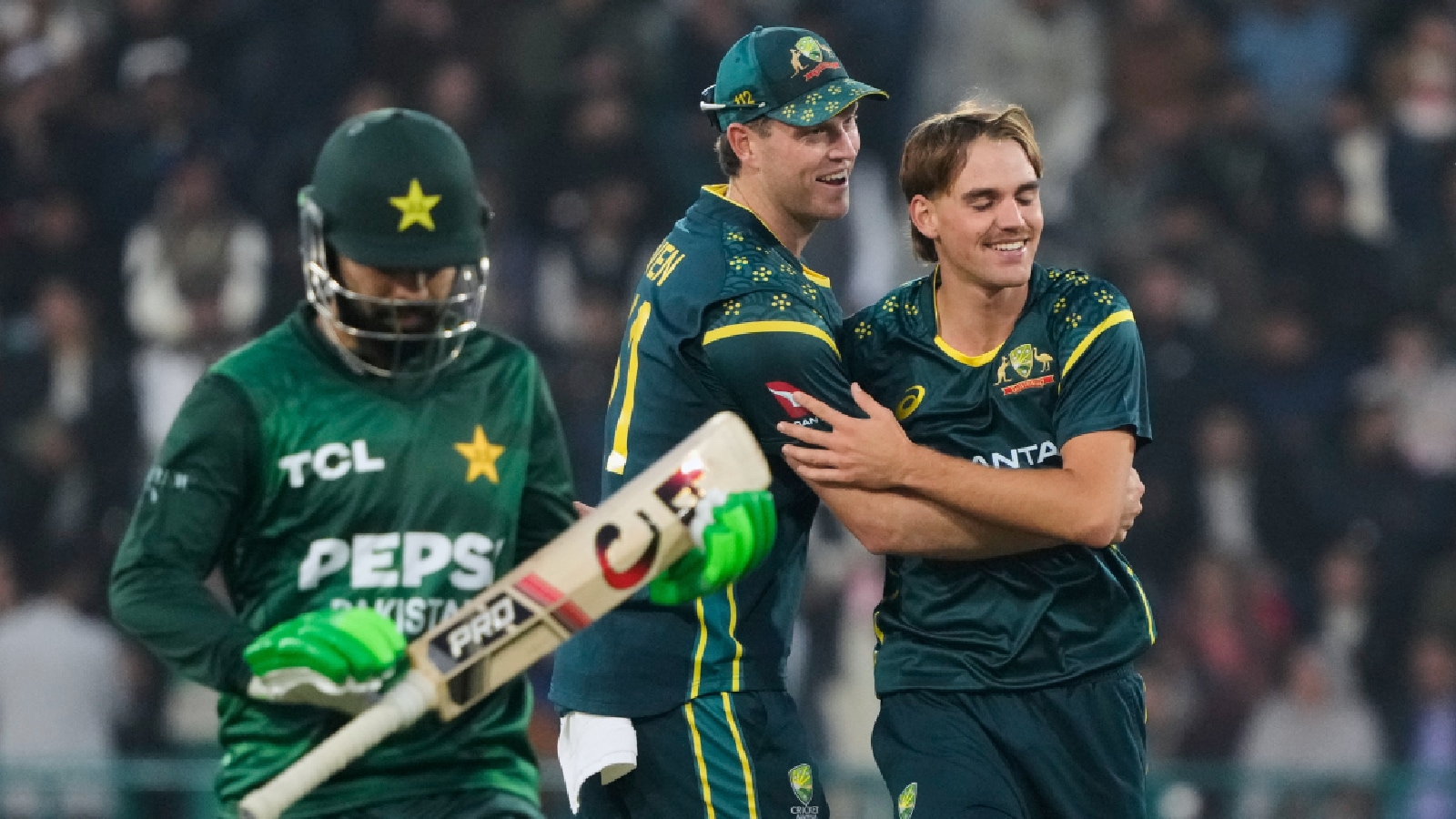
The Pakistan Cricket Board recently finalized a 16-member squad for the series scheduled from May 30 to June 4 in Rawalpindi and Lahore. Shaheen Shah Afridi assumes the captaincy, supported by Salman Ali Agha as vice-captain. Furthermore, the selection committee reintegrated Babar Azam, Haris Rauf, Shadab Khan, and Naseem Shah into the roster. However, the notable absence of Mohammad Rizwan has forced a recalibration of the team’s wicketkeeping strategy.
- Captain: Shaheen Shah Afridi
- Uncapped Talent: Rohail Nazir, Ahmed Daniyal, and Arafat Minhas
- Key Returns: Babar Azam and Shadab Khan
Why Former Teammates Question PCB Selection Decisions
Public friction emerged when all-rounder Khushdil Shah highlighted external criticism regarding the current selection methodology. Specifically, Khushdil reposted content questioning why Shadab Khan remains a fixture in the 2026 ODI setup despite fluctuating performance metrics. This internal dissent underscores a growing demand for a merit-based system that prioritizes current data over historical reputation.
Moreover, Khushdil Shah pointed toward his own domestic statistics as a baseline for comparison. Despite scoring over 700 runs at an average of 50 in domestic circuits—including a double century—he remains outside the national perimeter. This discrepancy suggests a potential disconnect between domestic output and national PCB selection decisions.
The Translation: Deciphering the Strategy
The PCB is currently navigating a “Bridge Strategy.” By retaining players like Shadab Khan, they are betting on psychological experience to manage high-pressure scenarios against Australia. However, the “Next Gen” logic suggests that this approach may stifle the growth of precision pacers like Ali Raza or Ubaid Shah. The exclusion of Rizwan indicates a calculated risk to test the depth of Pakistan’s secondary wicketkeeping options, such as Rohail Nazir, ahead of future global tournaments.
Socio-Economic Impact: Cricket as a National Pillar
For the average Pakistani citizen, cricket serves as a primary driver of national morale and local economic activity. The matches in Rawalpindi and Lahore act as a catalyst for the hospitality and retail sectors. When selection transparency is questioned, it affects the “emotional investment” of the public. Students and aspiring professionals look to the national team as a blueprint for meritocracy; thus, perceived biases in selection can diminish the perceived value of hard work in domestic systems.
The Forward Path: Momentum Shift or Stabilization?
This development represents a Stabilization Move rather than a Momentum Shift. The PCB is leaning on familiar assets to ensure a baseline level of performance against a formidable Australian side. While this may secure short-term results, the failure to integrate high-velocity youth players suggests a conservative approach. To achieve a true systemic evolution, the selection committee must eventually bridge the gap between domestic data excellence and international opportunities.