
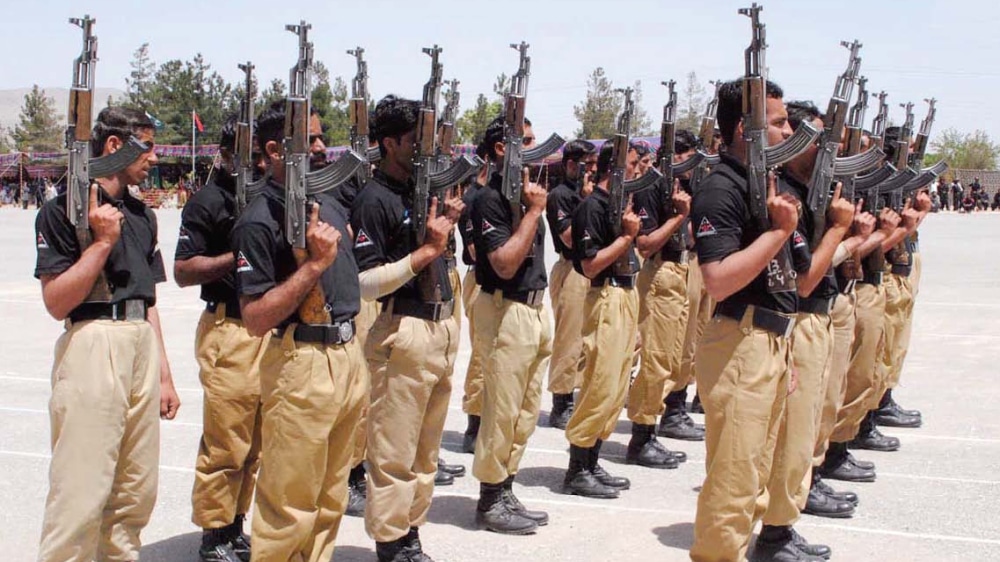
The Sindh Police security initiative aims to mitigate the surge in street crime by offering protective escorts to citizens withdrawing significant cash volumes from banks. By establishing a direct communication link between the public and Station House Officers (SHOs), the department seeks to create a calibrated safety net for high-value transactions. Consequently, this measure addresses the rising frequency of robberies targeting vulnerable bank customers in urban centers.
Optimizing Physical Security Protocols
Law enforcement agencies have observed a persistent pattern of “bank-following” crimes, where criminals track individuals leaving financial institutions. In response, the police department has deployed banners outside major banks to advertise this preventive service. Specifically, the protocol requires citizens to contact their local station to request a tactical escort during transit.
Strategic Protocols for Sindh Police Security
The structural framework of this security deployment focuses on three primary objectives:
- Deterrence: Visible police presence discourages reconnaissance by criminal elements.
- Rapid Response: Direct SHO involvement ensures immediate support for high-stakes liquidity movements.
- Public Awareness: Information banners serve as a catalyst for community-led safety awareness.
Furthermore, the initiative attempts to bridge the gap between reactive policing and proactive risk management.
The Translation: Contextualizing the Escort Service
This development is not merely a courtesy service; it is a strategic maneuver to disrupt the operational cycle of organized street gangs. By offering a Sindh Police security detail, the authorities are effectively neutralizing the “vulnerability window” that exists between the bank vault and the customer’s destination. The logic is simple: by increasing the perceived risk for the criminal, the system enhances the safety of the citizen.
The Socio-Economic Impact: Reducing the ‘Anxiety Tax’
For the professional class and small business owners in Pakistan, the threat of robbery acts as a hidden “anxiety tax” on every transaction. When citizens feel unsafe moving capital, the velocity of money slows down, impacting local commerce. If successfully implemented, this security protocol will stabilize daily business operations by ensuring that capital reaches its intended destination without interference. However, the current low adoption rate suggests that a baseline trust deficit still exists between the public and the police force.
The Forward Path: Architecting Public Trust
This initiative represents a Stabilization Move for Sindh’s security infrastructure. While the technical offering is a progress-oriented step, its success depends entirely on civic alignment. To move from maintenance to true momentum, the police must demonstrate consistency and reliability. Precision in execution will be the primary catalyst in turning this public service into a standard operating procedure for the safety of all Pakistani citizens.








