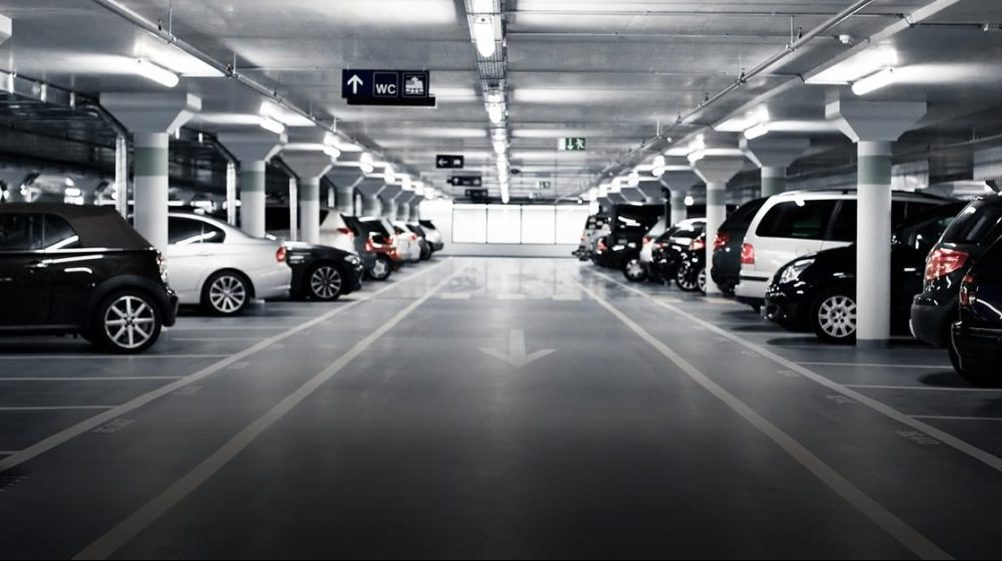
The Punjab government has launched a strategic infrastructure initiative to construct seven new Lahore parking plazas. This architectural overhaul targets high-density zones like Bhati Gate and the Walled City, integrating smart parking systems to stabilize urban mobility. By addressing illegal parking and worsening congestion, the government aims to create a more efficient baseline for commercial traffic management.
Analyzing the Strategic Rollout of Lahore Parking Plazas
Work has officially commenced on a broader strategy to deliver long-term solutions for parking shortages throughout Punjab. The Technical Education and Vocational Training Authority (TEPA) is currently managing the construction of two facilities, while the Lahore Development Authority (LDA) processes feasibility for additional sites. Consequently, these precision-engineered plazas will incorporate underground and smart parking technologies designed specifically for high-traffic business zones.

Furthermore, the plan extends beyond the provincial capital. Deputy commissioners from various heritage cities are submitting proposals to include similar upgrades in their local development programs. Officials estimate that over 20 parking projects could be integrated into the next financial year’s annual development program, pending technical approval and budget allocation.
The Translation: Technical Clarity
Beyond simple construction, this project represents a shift toward smart urbanism. The “smart parking systems” mentioned refer to sensor-based monitoring and automated navigation, which reduce the time vehicles spend idling while searching for spots. By moving the parking baseline underground, the government preserves the historical aesthetic of the Walled City while increasing its structural efficiency. This transition from “chaos-driven” parking to “calibrated” infrastructure is essential for modern city management.
The Socio-Economic Impact
For the average Pakistani citizen, this development serves as a catalyst for economic productivity. Currently, commuters in Lahore lose significant hours to traffic bottlenecks caused by illegal street parking. By centralizing parking into high-capacity plazas, the streets become clearer, reducing fuel consumption and vehicle wear. Local shopkeepers in the Walled City will likely see a boost in foot traffic as accessible parking makes these historic commercial hubs more attractive to consumers.
The Forward Path: Expert Opinion
This initiative represents a definitive Momentum Shift. For years, Lahore’s traffic management has been reactive; this plan is a proactive architectural move. The success of this rollout depends entirely on the precision of the feasibility studies being conducted by the Walled City Authority. If executed with the promised technical rigor, this project will set the standard for urban stabilization across Pakistan’s heritage cities.