

Digital infrastructure serves as the essential baseline for national progress. Consequently, the HMD Vibe 2 arrives as a strategic tool designed to lower the barrier for high-speed connectivity. This precision-engineered device offers 5G capabilities and a robust 6,000mAh battery for an entry-level price starting at approximately $115. By integrating advanced networking into an affordable chassis, HMD is calibrating its portfolio to meet the demands of a mobile-first economy.
Calibrated Hardware: Powering the HMD Vibe 2
The smartphone utilizes the Unisoc T8200 chipset, a processor built on a 6nm process to ensure thermal efficiency. Users can choose between 4GB or 6GB of RAM, paired with internal storage options reaching 128GB. Furthermore, the inclusion of a microSD card slot allows for a structural expansion of storage up to 1TB. This ensures that the device remains functional for long-term data management and application usage.
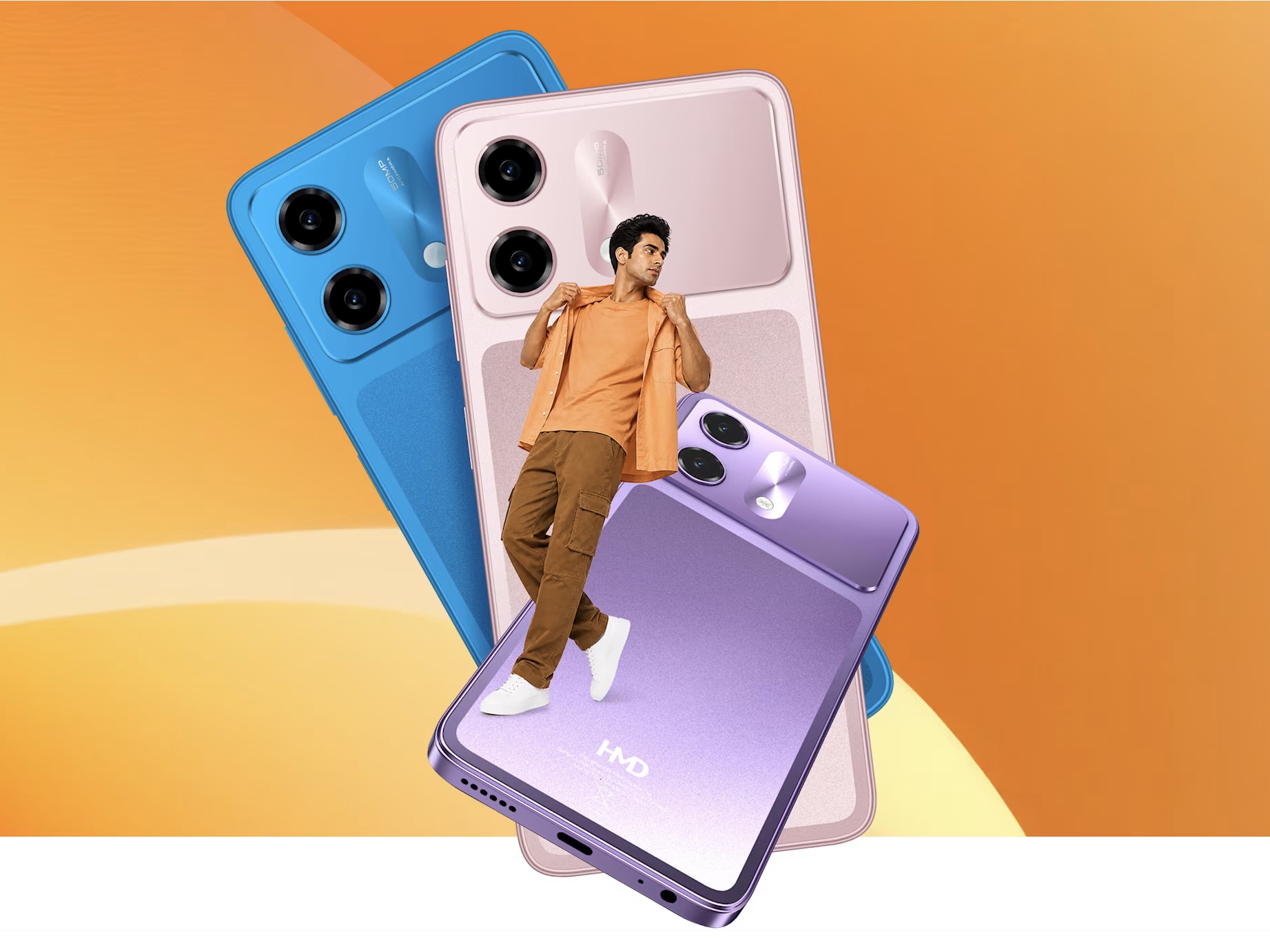
Structural Design and Visual Fidelity
The HMD Vibe 2 features a 6.75-inch IPS LCD, providing a expansive canvas for digital consumption. This display supports a 120Hz refresh rate, which significantly enhances the fluidity of the user interface. Technically, this high refresh rate reduces motion blur, offering a more precise visual experience during navigation. The exterior is reinforced with an IP64 rating, protecting the internal circuitry from dust and water splashes.


Long-Range Energy Management
Energy density is a critical metric for mobile productivity. The HMD Vibe 2 integrates a 6,000mAh battery, which provides a significant operational baseline for heavy users. Although the 18W wired charging is conservative, the sheer capacity of the cell ensures longevity throughout extended workdays. On the software front, the device runs Android 16, promising a modern and secure ecosystem for the next two years.
The Situation Room: Strategic Analysis
The Translation
The use of the Unisoc T8200 chipset on a 6nm architecture is a strategic choice. In technical terms, a smaller nanometer process allows for more transistors in a smaller space, which reduces power leakage and heat generation. For the end-user, this means the phone stays cooler and the battery lasts longer compared to older 12nm or 14nm budget chips. This is precision engineering applied to cost-saving.
The Socio-Economic Impact
Deploying 5G technology at a $115 price point acts as a catalyst for digital inclusion. For Pakistani students and urban professionals, this device removes the “financial friction” of accessing high-speed internet. It empowers the gig economy by providing a reliable, long-lasting tool for freelancers and delivery partners in both Karachi and rural hubs, effectively bridging the digital divide.
The Forward Path (Opinion)
The release of the HMD Vibe 2 represents a Momentum Shift. While the charging speed remains a legacy constraint, the combination of a 120Hz display and 5G at this price bracket forces other manufacturers to recalibrate their value propositions. It is a calculated move that prioritizes essential system efficiency over aesthetic gimmicks.
HMD Vibe 2 Specifications
| Chipset | Unisoc T8200 (6 nm) |
| OS | Android 16 |
| Display | 6.75 inches, IPS LCD, 120Hz |
| Battery | 6000 mAh, 18W wired |
| Camera | 50 MP Main / 8 MP Selfie |
| Price | Approx. $115 |








