
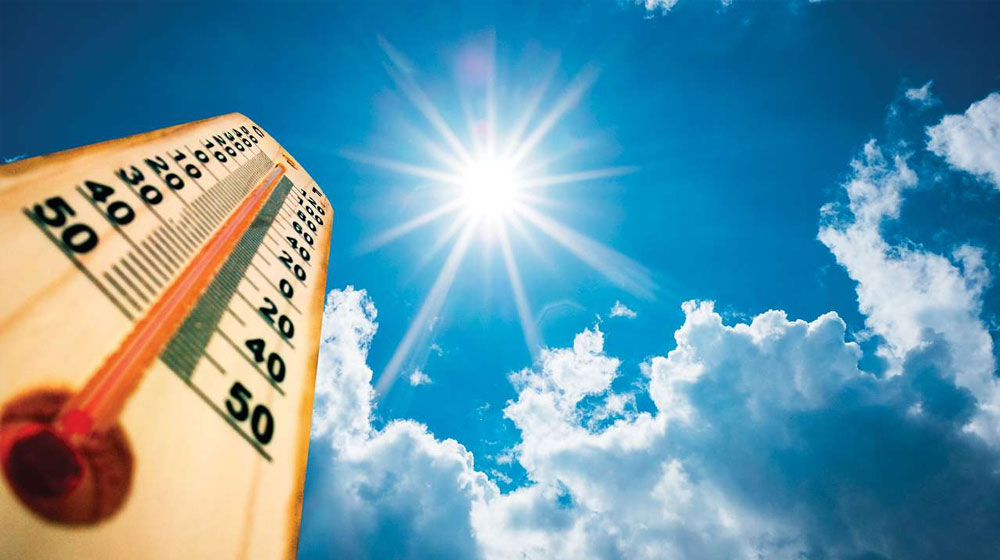
The Pakistan Meteorological Department has issued a critical Pakistan heatwave alert as a high-pressure system intensifies across the upper atmosphere. This meteorological shift will catalyze severe heatwave conditions from May 25 to May 31, 2024. Consequently, citizens must prepare for temperatures rising 5–7°C above the seasonal baseline across most major districts.
Regional Impact of the Pakistan Heatwave Alert
Atmospheric precision indicates that the thermal surge will manifest differently across the provinces. The following regions face the highest risk during this period:
- Central & Southern Punjab/Sindh: Temperatures in Sukkur, Larkana, Multan, and Rahim Yar Khan may reach a blistering 47–50°C.
- Northern Hubs: Islamabad, Rawalpindi, Lahore, and Peshawar will likely see peaks between 42–45°C.
- High-Altitude Regions: Malakand, Gilgit Baltistan, and the Neelum Valley will experience unusual heat ranging from 38–40°C.
- Coastal Resilience: Karachi will remain very hot, with maximum temperatures hovering between 35–38°C.
The Translation: Meteorological Logic
The current “high-pressure system” acts as an atmospheric lid. In STEM terms, this system traps rising warm air and compresses it back toward the surface. This adiabatic heating process significantly increases ground-level temperatures. Furthermore, the lack of cloud cover during this period allows for maximum solar radiation, creating a feedback loop of intense heat. This Pakistan heatwave alert serves as a calibrated warning for a systemic thermal event.
The Socio-Economic Impact
This surge directly affects the daily lives of every Pakistani citizen. For students and professionals, the extreme heat increases the risk of dehydration and heat exhaustion, necessitating structural changes to daily schedules. Economically, the increased demand for cooling will place a massive baseline load on the national power grid, potentially leading to supply-side instability. Agriculture in rural districts like Tharparkar and Sanghar faces immediate moisture stress, impacting crop yields and livestock health.

The Forward Path: Strategic Analysis
This development represents a Stabilization Move for our climate awareness but a “Warning Signal” for our infrastructure. While the Met Office provides precise data, our national cooling infrastructure remains reactive rather than proactive. We must transition toward urban architectural designs that prioritize natural ventilation and heat-resilient materials. Consequently, this heatwave should serve as a catalyst for a national discourse on long-term climate adaptation strategies.








