

The structural integrity of Pakistan’s public health infrastructure faces a calibrated challenge as Mpox transmission Pakistan shifts from imported travel-linked cases to localized community clusters. Consequently, the detection of infections within households indicates that the virus has bypassed initial border screening protocols. This development requires a precise, data-driven response to stabilize the baseline of national health security.
Analyzing Regional Transmission Hotspots
Recent data from the National Institute of Health (NIH) reveals a strategic shift in the virus’s trajectory. Furthermore, the infection is no longer confined to individuals returning from the Gulf region. The following data points outline the current baseline of the outbreak:
- Khyber Pakhtunkhwa (KP): Recorded 28 confirmed cases since August 2024, including eight cases in early 2026 and one fatality.
- Sindh: Identified 25 confirmed cases and nine deaths, with Khairpur emerging as a critical transmission hotspot.
- Punjab: Reported dozens of cases in 2026, with a high concentration of infections in urban Lahore.
The Household Transmission Pivot
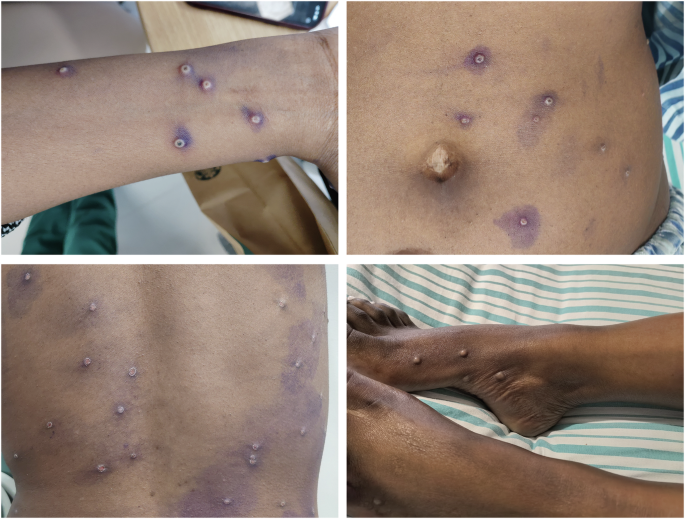
On April 16, health authorities confirmed an infection in a one-and-a-half-month-old infant. This specific case confirms Mpox transmission Pakistan has moved into the household setting. Because the infant had no travel history, the virus clearly entered the domestic environment through a secondary carrier. In contrast to earlier travel-based infections, these “silent” spreaders represent a more complex logistical challenge for provincial surveillance teams.

The Situation Room Analysis
The Translation (Clear Context)
In technical terms, Pakistan has transitioned from “Phase 1” (Imported Cases) to “Phase 2” (Local Transmission). This means the virus is now living and replicating within the local population. Therefore, the contact tracing logic must evolve from monitoring airports to monitoring neighborhoods and family units. The presence of the virus in infants suggests that skin-to-skin contact in domestic environments is now a primary catalyst for spread.
The Socio-Economic Impact
This shift directly impacts the productivity of Pakistan’s urban workforce. Consequently, if household transmission escalates, we may see localized lockdowns or reduced attendance in schools and offices. For the average Pakistani household, this introduces an additional financial burden of healthcare costs and potential loss of daily wages. Furthermore, the strain on rural healthcare centers in hotspots like Khairpur could delay other essential medical services.
The “Forward Path” (Opinion)
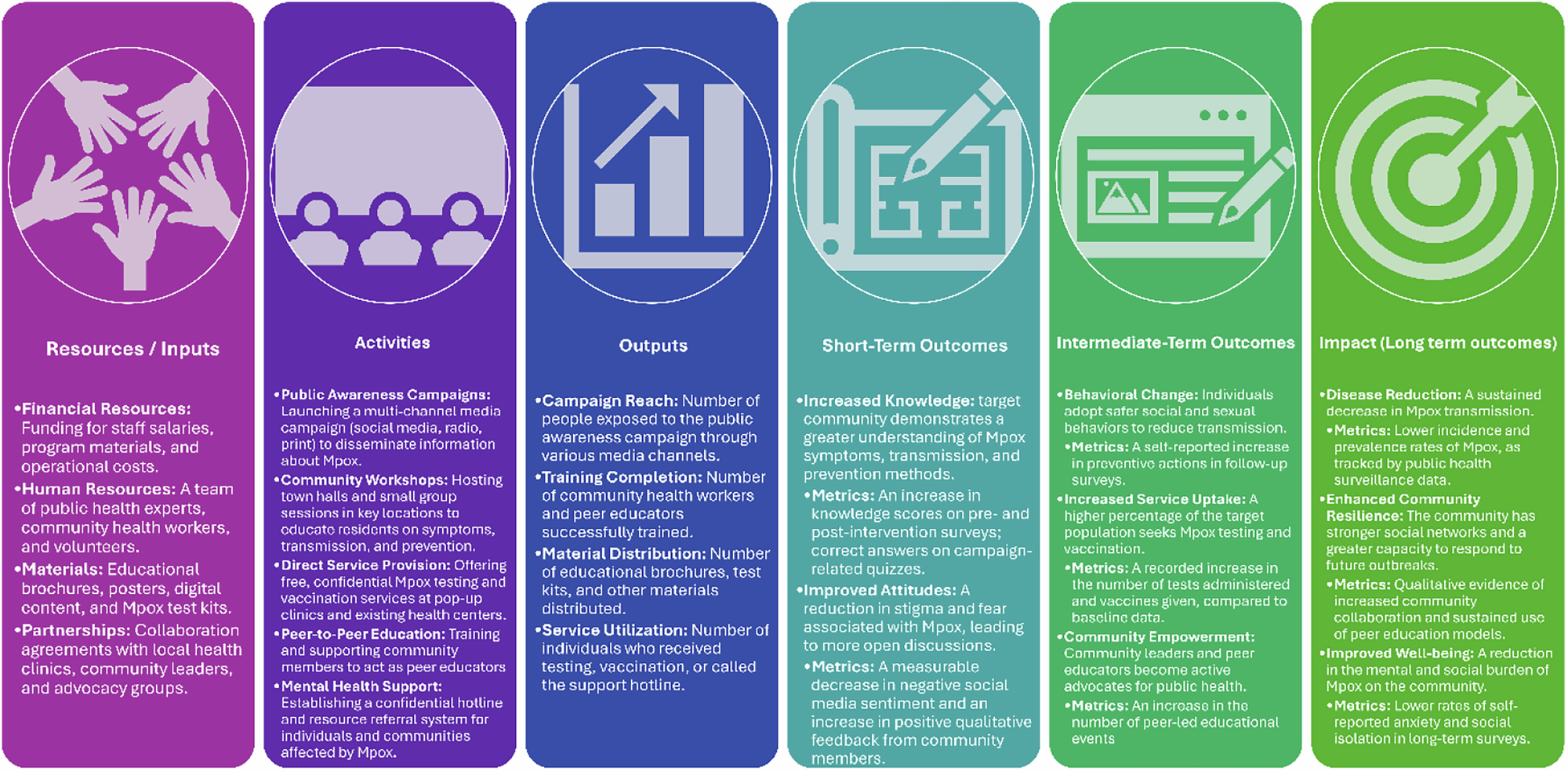
This development represents a critical Momentum Shift in our public health landscape. While the NIH has strengthened surveillance, the transition to community spread requires a more aggressive, precision-targeted vaccination strategy for high-risk zones. We must treat this not merely as a medical concern, but as a systemic vulnerability that requires architectural reform in how we manage infectious diseases at the municipal level.








