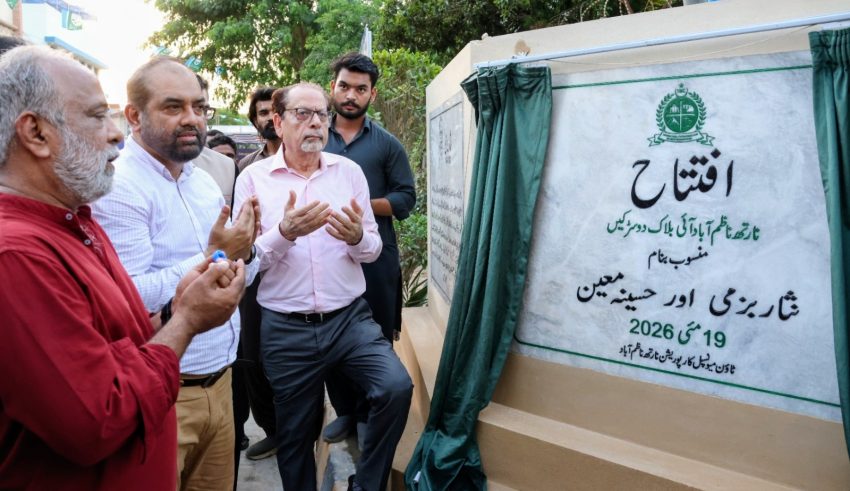
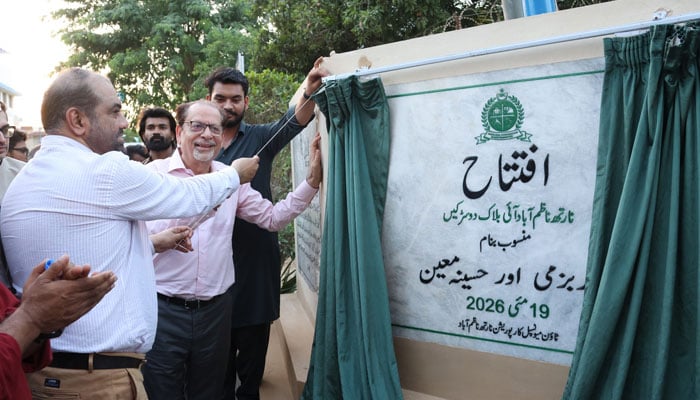
Urban evolution requires a precise calibration of history, and the recent naming of roads in North Nazimabad signifies a vital reinforcement of Karachi cultural heritage. The town administration recently organized a ceremony in Block I to dedicate major thoroughfares to two monumental figures: celebrated playwright Haseena Moin and legendary music composer Nisar Bazmi. Consequently, this administrative action transforms a simple infrastructure update into a structural preservation of the city’s intellectual baseline.
Preserving Karachi Cultural Heritage Through Nomenclature
President of the Arts Council Karachi, Muhammad Ahmed Shah, served as the chief guest for the inauguration. During his address, Shah emphasized that North Nazimabad has historically functioned as a catalyst for Pakistan’s literary and religious movements. He noted that the area previously served as a residence for influential personalities like Maulana Maahirul Qadri. Therefore, naming roads after these figures ensures that future generations maintain a tangible link to the city’s sophisticated cultural identity.
Karachi continues to operate as the nation’s primary economic and industrial hub. However, Shah argued that economic growth must align with cultural protection. He urged consistent efforts to safeguard the historical assets that define the metropolis. By embedding the names of artists into the urban grid, the city validates the professional contributions of those who built Pakistan’s creative foundations.
The Situation Room: Analysis
The Translation
In technical terms, road nomenclature is often a bureaucratic formality. However, in this context, it represents a strategic “re-branding” of urban space. By replacing generic block designations with the names of Haseena Moin and Nisar Bazmi, the administration converts passive infrastructure into an active cultural archive. This logic prioritizes intellectual capital over mere logistics, signaling that a city’s value is measured by its creators rather than just its concrete.
The Socio-Economic Impact
This development impacts the Pakistani citizen in several structural ways:
- Urban Identity: Residents of North Nazimabad gain a heightened sense of community pride and historical belonging.
- Educational Catalyst: Students and younger generations are prompted to research the legacies of the playwright and composer, fostering a “knowledge economy.”
- Property Sentiment: Cultural landmarks often stabilize and enhance the social value of residential sectors, making them more desirable for long-term settlement.
The Forward Path
This initiative represents a significant Momentum Shift. It moves Karachi beyond the maintenance of “functional roads” toward the creation of “meaningful spaces.” For a city often defined by its industrial output, shifting the focus toward cultural icons suggests a maturing urban strategy. To maintain this trajectory, the administration must now integrate digital QR codes or plaques at these sites to provide historical data to commuters in real-time.