

Pakistan is recalibrating its administrative framework by launching the WWF digital portal, a centralized platform designed to modernize the distribution of financial assistance. Developed by the National Information Technology Board (NITB) in collaboration with the Workers Welfare Fund (WWF), this initiative serves as a baseline for the nation’s broader e-governance architecture. By digitizing the end-to-end welfare lifecycle, the government aims to eliminate systemic delays and provide industrial workers with a precision-driven support system.
Calibrating the WWF Digital Portal for National Efficiency
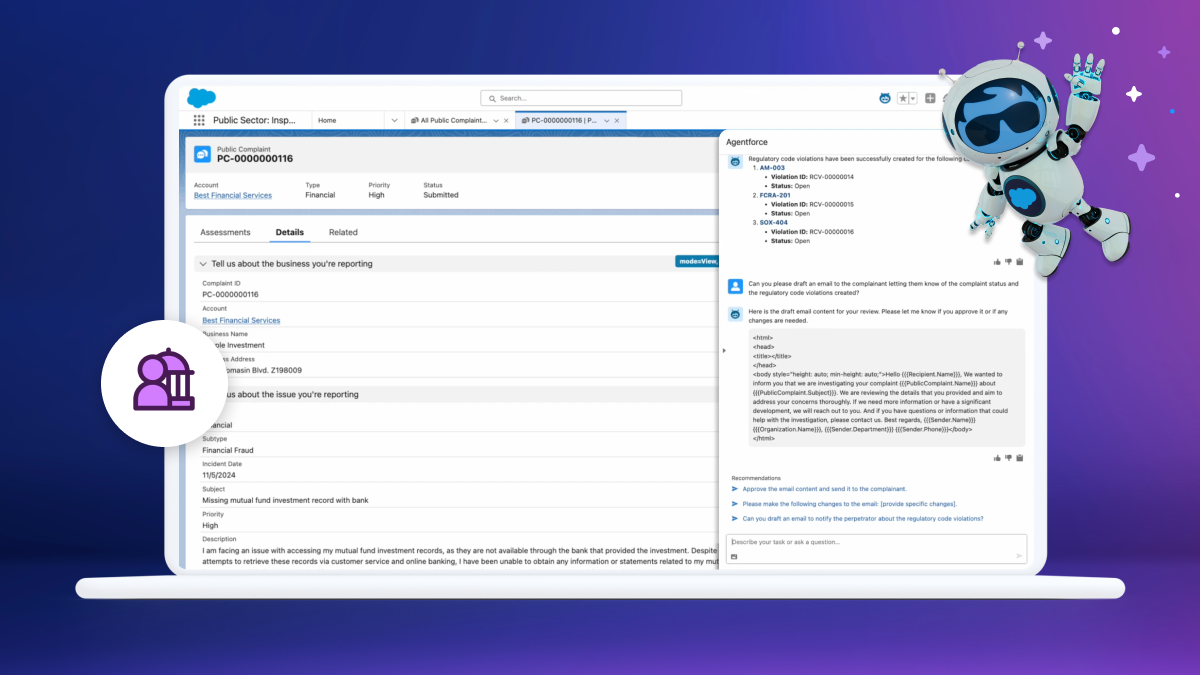
The transition from manual paperwork to a digital ecosystem represents a strategic shift in how the state interacts with its labor force. This WWF digital portal integrates several critical administrative phases into one seamless workflow:
- Digital Submission: Workers can upload applications remotely, bypassing physical office visits.
- Automated Scrutiny: The system employs calibrated algorithms to verify applicant eligibility.
- Departmental Synchronization: Improved coordination between various government entities reduces processing overhead.
- Transparent Approval: Real-time tracking ensures accountability throughout the approval pipeline.
Modernizing Welfare Delivery and Support Structures
The Workers Welfare Fund, governed by the Ordinance of 1971, remains a catalyst for social stability. The upcoming portal will facilitate access to a wide array of support programs, including housing schemes, marriage grants, and death grants. Furthermore, the system will prioritize scholarships for the children of industrial laborers, ensuring that educational funding remains a structural priority for the state.
The Situation Room: Strategic Analysis
The Translation
In simple terms, the government is replacing “red tape” with “digital code.” Previously, a worker might wait months for a grant due to lost files or manual verification errors. The WWF digital portal translates complex legal requirements into a user-friendly interface. Consequently, the logic of the Workers Welfare Fund Ordinance 1971 becomes accessible to the very people it was designed to protect.
Socio-Economic Impact
For the average Pakistani laborer, this shift is transformative. By reducing the “cost of access”—time spent away from work and money spent on transportation to government offices—the digital portal increases the net value of the welfare grants. This efficiency directly impacts household stability, allowing families to receive death or marriage grants exactly when the financial pressure is most acute.

The Forward Path
This development represents a significant Momentum Shift. While the 1971 Ordinance provided the legal basis for welfare, this portal provides the technical capacity to fulfill that promise. We view this as a catalyst for future digital integration across all labor-related departments. However, the long-term success of the system depends on the reliability of the underlying server infrastructure and the digital literacy of the workforce.








