
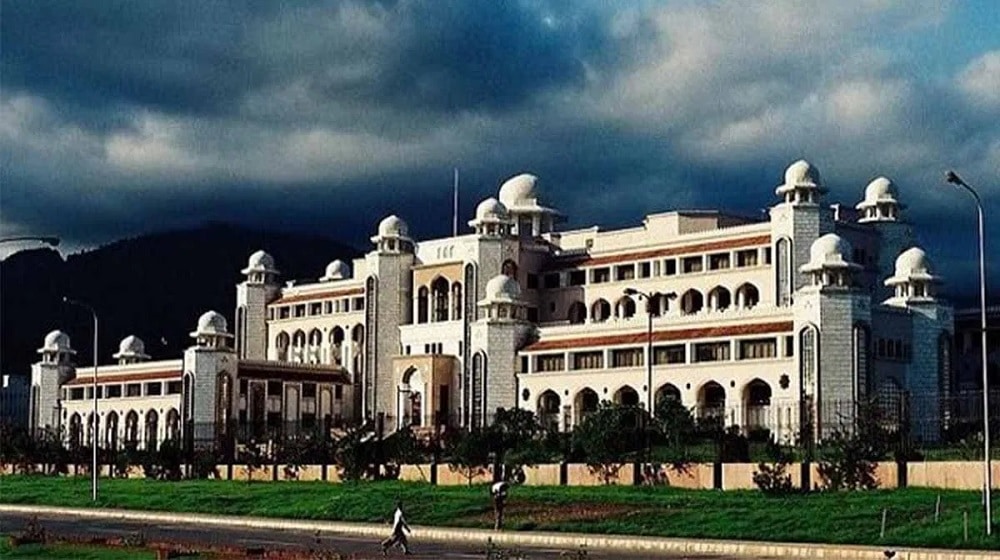
The Economic Coordination Committee (ECC) of the Cabinet recently calibrated its fiscal focus by approving a strategic ECC budget allocation of Rs. 160 million. This specific funding targets the essential repair and maintenance of the Prime Minister’s Office. Beyond infrastructure maintenance, the committee authorized a multi-sectoral investment strategy to enhance national regulatory standards and human capital.
Strengthening Agricultural and Health Infrastructure
The ECC approved Rs. 1 billion to operationalize the National Agri-Trade and Food Safety Authority (NAFSA). Consequently, this initiative will modernize the agricultural regulatory framework and ensure higher food safety standards across the supply chain. Furthermore, the government allocated Rs. 1.5 billion to the National Health Program. This funding ensures the continued expansion of healthcare coverage for vulnerable populations, maintaining the momentum of previous universal health initiatives.
Investing in Human Capital and Education
Strategic growth requires a skilled workforce. To address this, the ECC cleared Rs. 3.915 billion for the Prime Minister’s Youth Skill Development Program via NAVTTC. This investment acts as a catalyst for technical proficiency among the youth. In a parallel effort, the education sector is witnessing a visual transformation. Students and teachers are now actively participating in classroom beautification drives. These efforts use creative artwork and displays to engineer more engaging learning environments across Pakistan.
The Translation: Clear Context
While the Rs. 160 million for the PM House often captures headlines, the broader context reveals a complex balancing act. The government is simultaneously maintaining symbolic state infrastructure while injecting billions into systemic regulators like NAFSA and human development programs. This ECC budget allocation reflects a dual-track strategy: maintaining existing state assets while scaling up the “soft” infrastructure of health and skills.
The Socio-Economic Impact
For the average Pakistani citizen, these allocations translate into improved systemic reliability. The NAFSA funding directly impacts food quality and export potential, which stabilizes household health and the national trade balance. Moreover, the massive injection into NAVTTC provides thousands of students with the technical precision required for the modern job market. These moves aim to reduce the “skill gap” that currently hinders urban economic mobility.
The “Forward Path”: Expert Opinion
This development represents a Momentum Shift. While infrastructure repairs are routine maintenance, the multi-billion rupee commitment to youth skills and food safety indicates a shift toward structural efficiency. However, the long-term success of this ECC budget allocation depends entirely on the execution speed of NAVTTC and the transparent operationalization of NAFSA. Precision in implementation will be the baseline for future progress.








