

Systemic efficiency requires a calibrated balance between law enforcement and academic sanctuary. Currently, the Federal Urdu University Karachi Science Campus in Gulshan-e-Iqbal hosts the Aziz Bhatti police station within its academic perimeter. This structural relocation, initially approved for a six-month duration, places the station’s investigation wing and the Station House Officer (SHO) directly behind the BSc block. Consequently, the daily operations of a high-traffic police precinct now intersect with the educational journey of thousands of students.
The Structural Shift at Urdu University Karachi
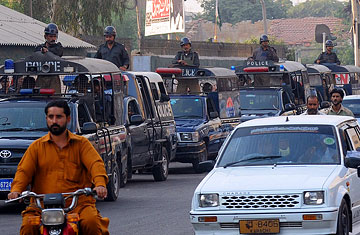
Police officials confirmed that the transfer process is already operational. Various departments have started functioning from the new location, and the facility has already begun receiving external visitors and complainants. While the university administration reportedly granted permission for this temporary setup, the registrar recently expressed ambiguity regarding the approval process. He noted that a police station should ideally not operate within the university environment. Furthermore, the increased movement of police vehicles and suspects through the main campus gates has generated significant concern among the student body.
Redefining Campus Security and Academic Boundaries
Academic integrity relies on a precise environment conducive to learning. However, the current configuration at Urdu University Karachi forces students and teachers to share entrance gates with police vehicles transporting suspects. Specifically, female students have reported a sense of unease, fearing that the presence of active law enforcement operations could degrade the academic atmosphere. Teachers have echoed these sentiments, expressing surprise at the sudden integration of a municipal police station into a space dedicated to higher education.
The Situation Room Analysis
The Translation
In technical terms, this is a “multi-use zoning conflict.” The relocation of the Aziz Bhatti police station into a university campus represents a breakdown in urban planning and institutional autonomy. While the police require a baseline facility to maintain order in Gulshan-e-Iqbal, the decision to use a science campus suggests a lack of strategic infrastructure alternatives. The logic behind the six-month permit is a temporary fix for a structural problem, but it ignores the psychological and operational boundaries required for an effective learning environment.
The Socio-Economic Impact
This development directly impacts the daily lives of students and households in Karachi. For students, the baseline cost of education now includes a heightened sense of surveillance and potential exposure to criminal processing activities. This is particularly sensitive for female students whose families prioritize safe, segregated academic environments. In the long term, such disruptions can devalue the institution’s reputation, potentially discouraging enrollment and hindering the progress of Karachi’s future STEM professionals.
The Forward Path (Opinion)
This move represents a Stabilization Move (Maintenance) rather than a momentum shift toward progress. While it ensures the police station remains operational within the district, it does so at the cost of academic system efficiency. A truly forward-thinking catalyst for Karachi would involve a dedicated, separate facility for law enforcement that does not encroach upon the intellectual development of the next generation. The university must recalibrate its administrative approvals to protect its primary mission: education.








