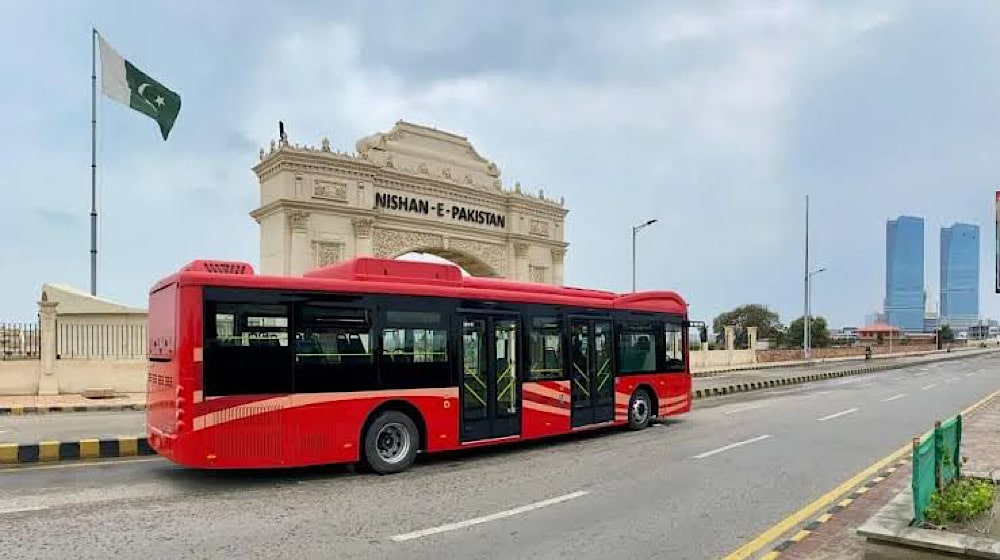
Urban resilience is built on the baseline of efficient mobility; the Sindh government’s latest move represents a calibrated investment in sustainable infrastructure. The provincial administration recently approved the Sindh electric buses procurement project, a strategic initiative to deploy 500 eco-friendly vehicles through a public-private partnership. Senior Minister Sharjeel Inam Memon confirmed this expansion during a Sindh Assembly session, emphasizing the province’s commitment to structural efficiency in transit.
Scaling Sindh Electric Buses for Karachi and Beyond
The government designed this procurement to address critical gaps in the existing transport grid. Consequently, the provincial authorities are prioritizing underserved areas in Karachi while expanding the network to secondary cities. Specifically, new bus services will soon launch in Orangi and Banaras to meet rising commuter demand. Furthermore, the government has already operationalized a new route in Gulshan-e-Maymar to streamline local connectivity.

A Multi-City Transit Strategy
While Karachi remains a primary focus, the expansion plan includes a broader provincial footprint. The Sindh government successfully launched new transport routes in Tando Allah Yar, Khairpur, and Rohri. These developments follow concerns raised by lawmakers regarding the absence of reliable transit in regions like Manghopir. By utilizing public-private partnerships, the government aims to catalyze private sector efficiency to manage the growing fleet effectively.
The Situation Room Analysis
The Translation
This initiative represents a pivot from traditional, fuel-dependent transport models toward a more sustainable, electrified baseline. By opting for a public-private partnership, the government shifts the operational burden to specialized entities. This ensures higher maintenance standards and service reliability compared to purely state-run models. Essentially, Sindh is building a scalable blueprint for modern urban mobility.
The Socio-Economic Impact
The introduction of 500 electric buses will directly stabilize household expenditures for thousands of Pakistani citizens by providing low-cost, reliable transport. For students and professionals in areas like Orangi and Banaras, this means reduced transit times and increased safety. Moreover, transitioning to electric power improves urban air quality, potentially lowering healthcare costs related to respiratory issues in densely populated Karachi neighborhoods.
The Forward Path
This development is a definitive Momentum Shift. Moving beyond pilot programs to a 500-unit procurement signals that the Sindh government is ready to modernize the provincial transport architecture. The success of this move will depend on the supporting charging infrastructure, but the current strategic direction points toward a more efficient and technologically advanced future for Pakistan’s transit systems.