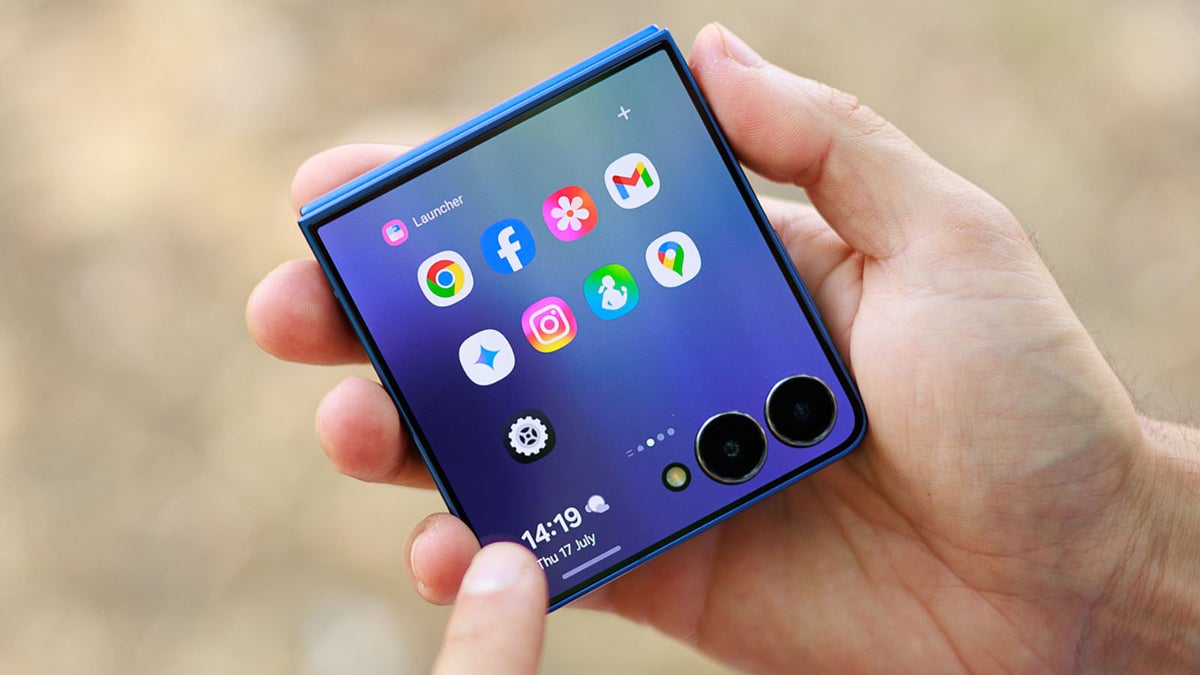
The global smartphone architecture is undergoing a calibrated shift toward larger form factors, and the Galaxy Z Flip 8 may serve as the final milestone for Samsung’s clamshell series. Industry analysts and recent supply chain intelligence suggest that Samsung is reallocating its engineering resources. Consequently, the upcoming July 22 Unpacked event might introduce the last generation of the pocket-sized foldable, marking a strategic pivot toward the Galaxy Z Fold 8 and a new “Wide” variant.
The Strategic Pivot: Is the Galaxy Z Flip 8 the Final Model?
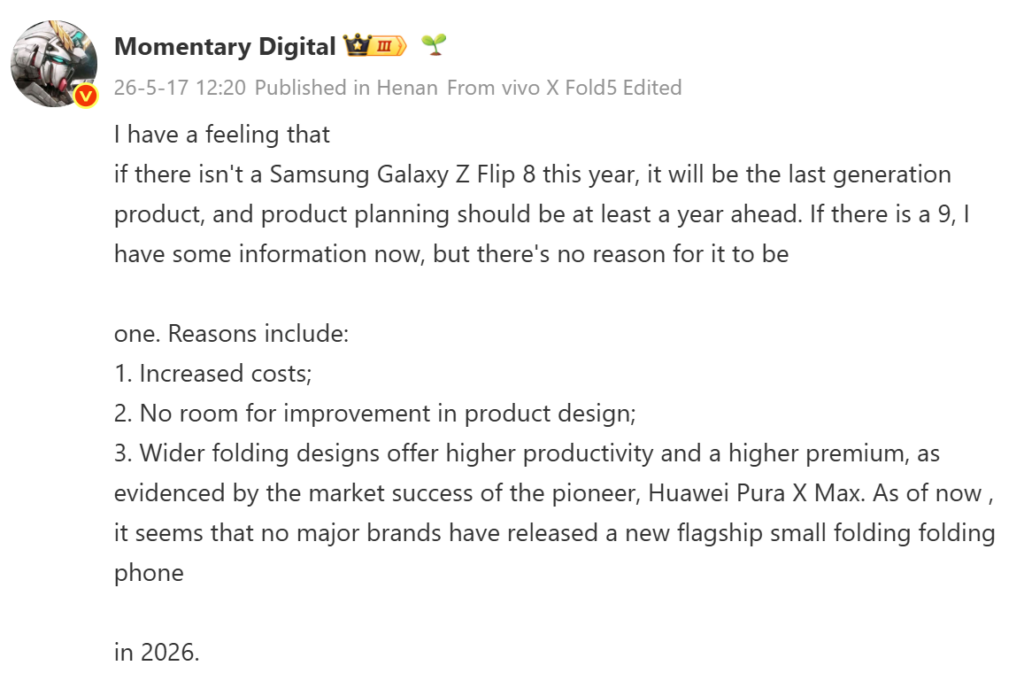
Recent data from industry tipsters indicates that Samsung has not initiated the baseline product planning for a successor to the Galaxy Z Flip 8. Typically, the hardware development lifecycle begins at least twelve months in advance. Because there is no early data regarding a potential Flip 9, the industry anticipates a structural consolidation of the foldable lineup. Samsung appears to be prioritizing the “Wide” foldable architecture to maximize screen real estate and profit margins.

The Translation: Deciphering the Shift in Samsung’s Logic
In technical terms, the “Translation” of this move is simple: Samsung is moving from a lifestyle-centric design to a productivity-first ecosystem. The clamshell design has encountered a precision ceiling where thermal management and battery density are difficult to improve further. By focusing on the Fold series, Samsung can integrate more advanced optics and larger power cells. This shift mirrors a broader industry trend where brands like Huawei are seeing higher consumer engagement with massive, tablet-like displays.
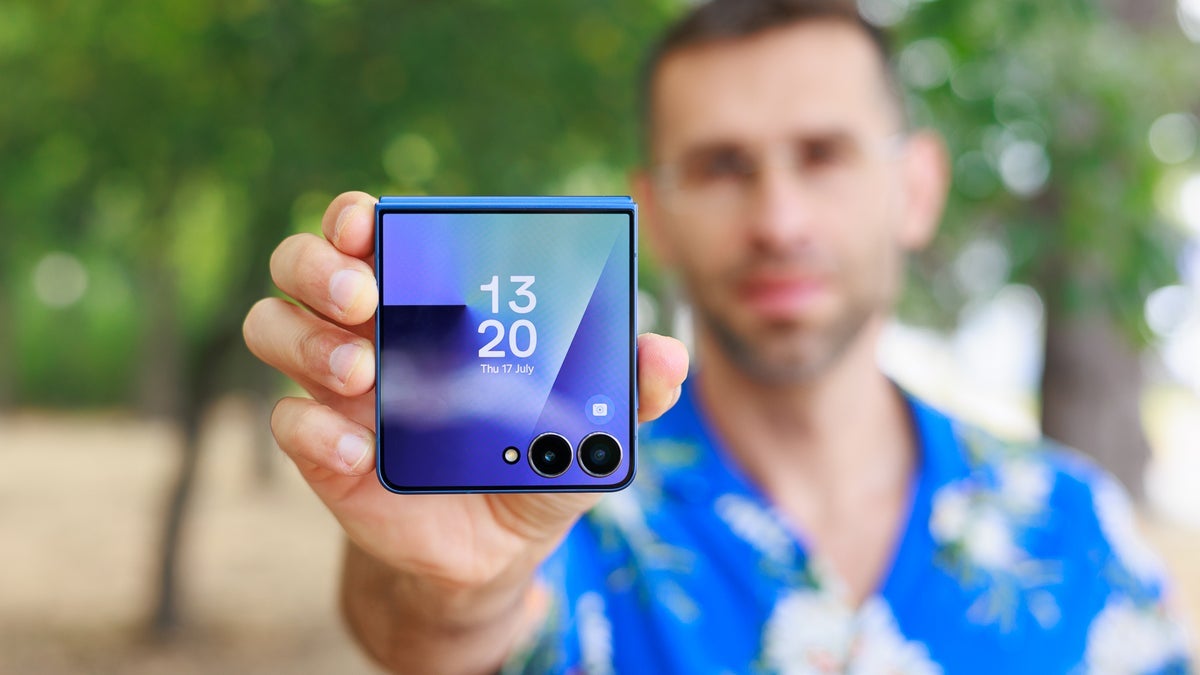
Why Samsung is Re-Engineering Its Strategy
Several catalysts are driving this decision to potentially phase out the flip form factor:
- Rising Production Costs: The intricate hinge mechanism in compact foldables yields lower margins compared to larger devices.
- Innovation Plateaus: The current clamshell design offers limited physical space for the “Momentum Shifts” in camera technology users demand.
- Market Realignment: Consumer demand in 2026 has shown a distinct preference for devices that function as both phones and workstations.
The Socio-Economic Impact: Life in a Foldable-First Pakistan
For the Pakistani professional and student, this development signifies a shift in the accessible tech market. While the Galaxy Z Flip 8 provided a more affordable entry point into foldable tech, its discontinuation may push the “New Normal” toward higher-priced, high-utility devices. As our local digital economy grows, the demand for “mobile offices” increases. However, the exit of the compact flip series might create a vacuum for users who prioritize portability and aesthetics over raw screen size.
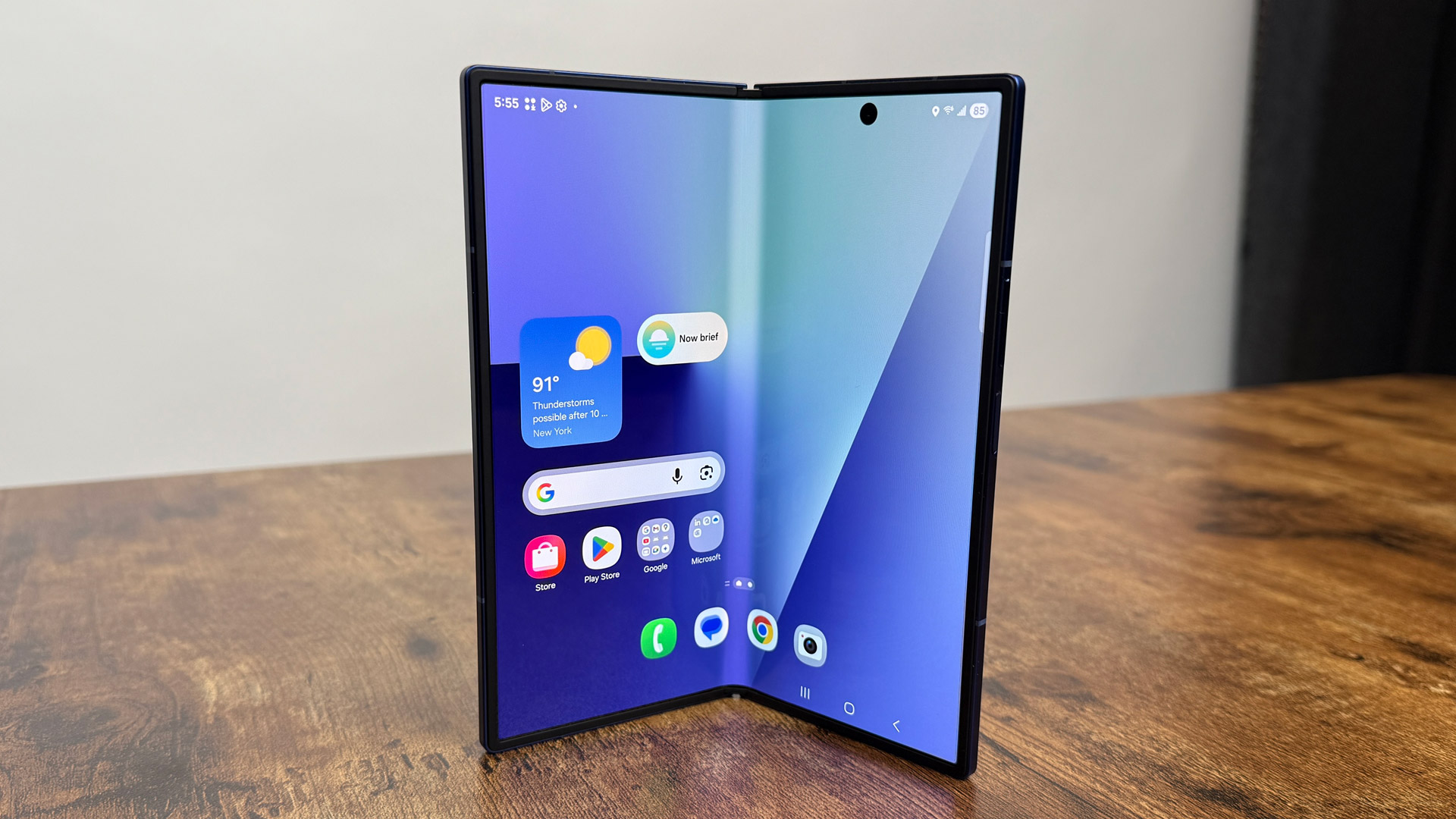
The Forward Path: Momentum Shift or Market Correction?
We categorize this development as a Momentum Shift toward specialized hardware. Samsung is no longer trying to make foldables “for everyone” but is instead perfecting them for the high-output user. This precision-focused strategy ensures that the foldable category survives by becoming indispensable for productivity rather than remaining a novelty. While we lose the iconic “snap” of the flip phone, we gain a more robust digital canvas for the future of work.