

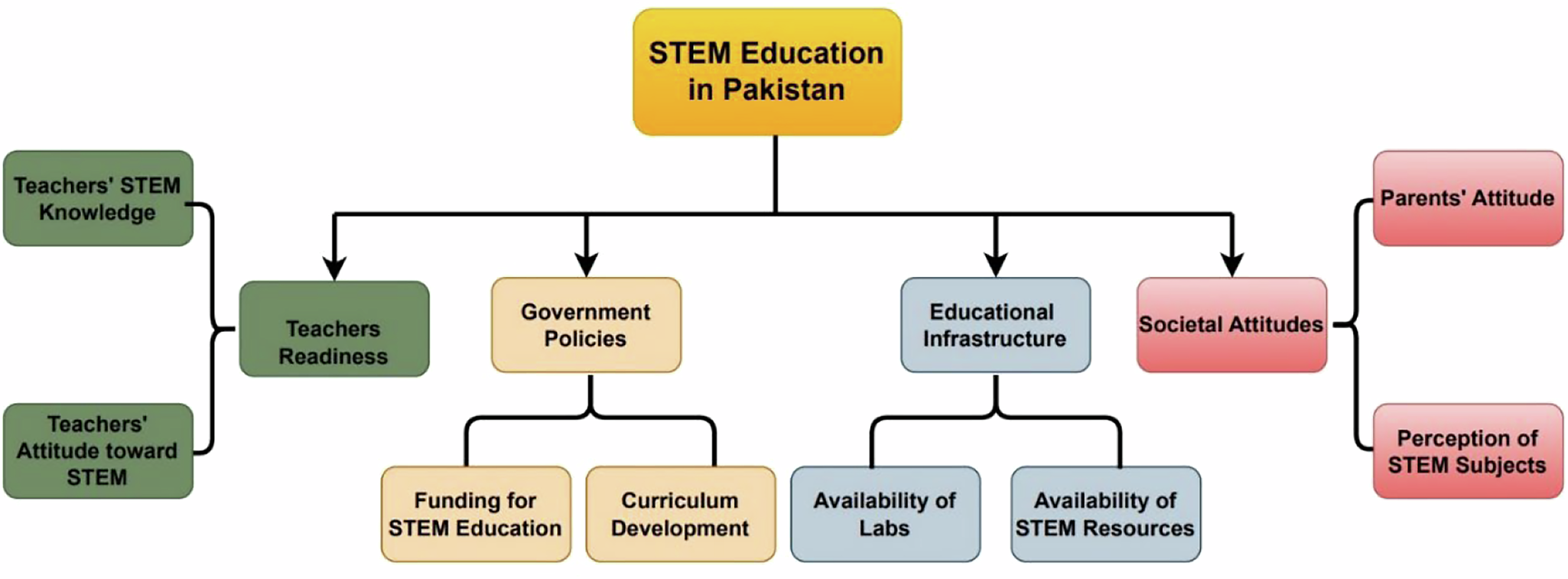
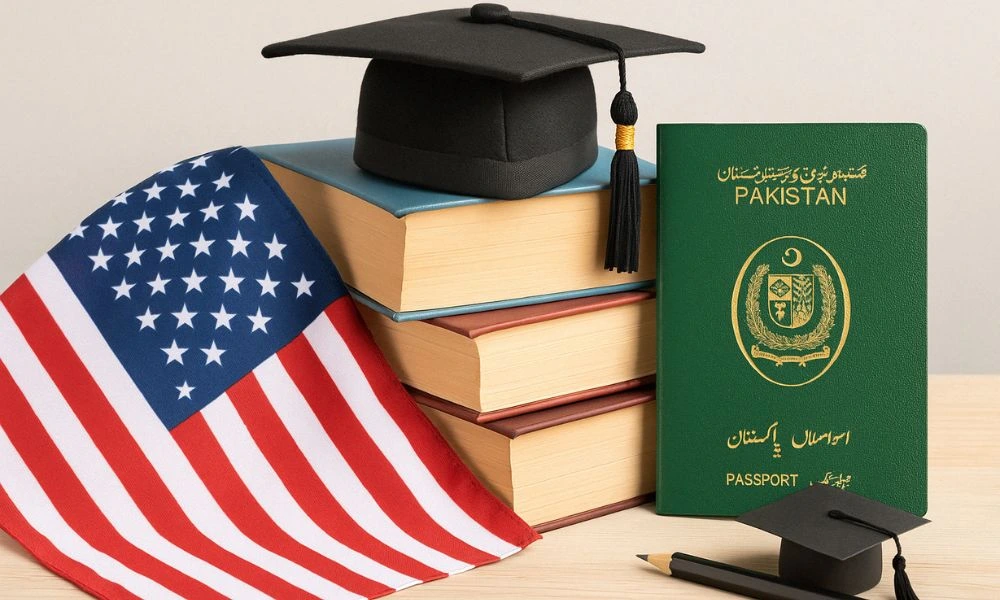
Despite a global slowdown in international student enrollment, Pakistani students are choosing STEM programs in US higher education at an increasing rate. In the 2024-25 academic year, the United States welcomed nearly 1.2 million international students. However, new international enrollment experienced a 7% decline, primarily due to a 15% drop in graduate enrolments. Interestingly, this trend did not deter Pakistani students, whose presence in American universities continued to grow, particularly within Science, Technology, Engineering, and Mathematics (STEM) fields.
The Growing Preference for US STEM Among Pakistani Students
A significant majority of Pakistani students in the United States, over 55%, pursued STEM programs during the 2024-25 academic year. Specifically, 21% opted for mathematics and computer science disciplines. Furthermore, nearly 2% enrolled in diverse engineering programs. These compelling figures unequivocally highlight a strong and sustained preference for science and technology pathways among Pakistani students.

This growing interest is also reflected in enrollment numbers. Undergraduate enrollment from Pakistan witnessed substantial growth, increasing by 26% year-over-year in 2024-25. Concurrently, postgraduate enrollment also saw an impressive 18% rise during the same period. This upward trajectory occurred even as overall international graduate enrollment across the US system experienced a decline, underscoring Pakistan’s unique and robust engagement with American higher education.
Why Pakistani Students Prioritize US STEM Education
Beyond academic pursuit, an increasing interest in post-study employment options is evident. Growing participation in Optional Practical Training (OPT) directly mirrors Pakistani students’ heightened focus on acquiring valuable US work experience after graduation. Consequently, this trend aligns with broader shifts in student priorities, moving towards employability and tangible career outcomes.
In fact, recent data from ApplyBoard’s Fall 2025 Recruitment Partner Pulse Survey reveals a critical insight. Post-study work opportunities are now almost as vital to students as the cost of studying itself. Specifically, 88% of students prioritize work opportunities, closely trailing the 91% who prioritize affordability. This data strongly implies that Pakistani students are making more outcomes-driven decisions, actively favoring destinations and programs that offer clear connections between their education, subsequent employment, and long-term professional growth.
Key Factors Driving the Choice for US STEM Programs
- High-Quality Education: US universities are renowned globally for their cutting-edge research and excellent academic standards in STEM fields.
- Career Advancement: Opportunities for practical experience through OPT and a robust job market attract students seeking professional development.
- Innovation Hubs: Access to leading technological hubs and entrepreneurial ecosystems fosters a dynamic learning environment.
- Long-Term Growth: Students perceive a clear path from US STEM education to lucrative and fulfilling international careers.

Ultimately, the consistent growth in enrollment and the strong preference for STEM fields indicate a strategic shift. Pakistani students are increasingly viewing US education as a gateway to global career opportunities. Their decisions are not merely about academic achievement but also about securing a competitive edge in the global workforce, making their choice of STEM programs in the US a calculated investment in their future.

The impact of technology on education is undeniable, continuously shaping how students learn and what career paths they choose. This digital transformation further reinforces the value of STEM degrees, especially for those aiming to contribute to a technologically advanced global economy.

Comparing educational systems globally, such as the comprehensive comparison between education in Japan vs. the US, often reveals the unique advantages offered by American institutions, particularly in specialized fields like STEM. This global perspective helps students like those from Pakistan make informed decisions about where to invest in their future.
Artificial Intelligence in education is another significant area drawing interest. The advantages and disadvantages of AI in education are frequently discussed, influencing curriculum development and student preparedness for future careers, especially in STEM-related industries. Pakistani students are well-positioned to leverage these advancements.

Understanding the nuances of the US education system, from schools to colleges and universities, is crucial for international students. A clear guide helps clarify these distinctions, empowering students from Pakistan to select the institution and program best suited for their STEM aspirations.








