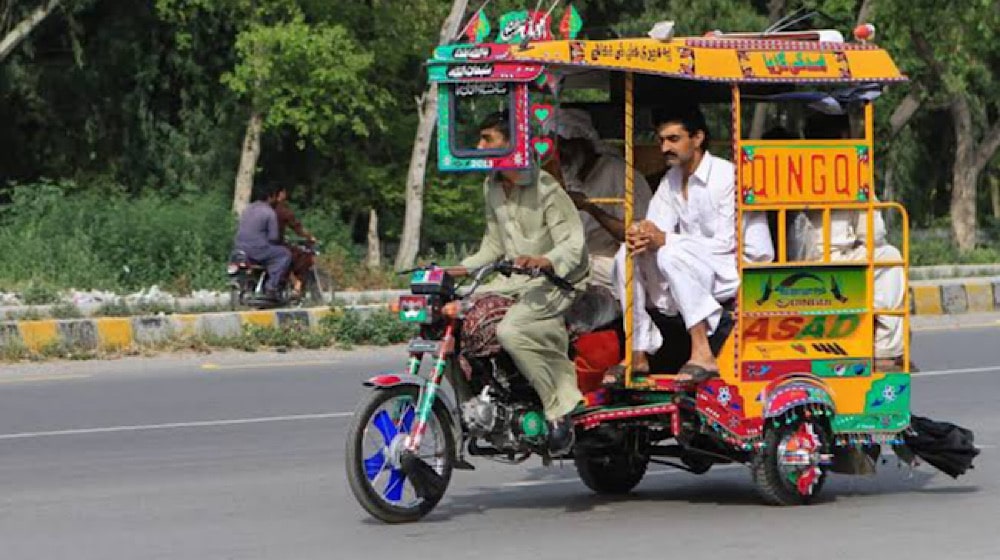
The Lahore Traffic Police recently finalized a calibrated Rickshaw Ban Lahore on Canal Road to optimize structural traffic flow and minimize fatal collision risks. Chief Traffic Officer (CTO) Syed Abdul Rahim Shirazi initiated this directive to mitigate the systemic bottlenecks caused by slow-moving loaders and Qingqi rickshaws. Consequently, authorities aim to transform the Canal Road into a high-efficiency transit corridor for the city’s growing vehicular population.
Structural Optimization: The Rickshaw Ban Lahore Logic
According to CTO Syed Abdul Rahim Shirazi, loader rickshaws frequently transport hazardous, oversized loads that destabilize the vehicle’s equilibrium. This instability acts as a primary catalyst for fatal accidents on high-speed roads. Furthermore, the limited velocity of Qingqi rickshaws creates a friction point in traffic patterns, leading to severe congestion during peak hours. By removing these variables, the traffic department seeks a more predictable and safer baseline for urban mobility.
The Translation: Clear Context
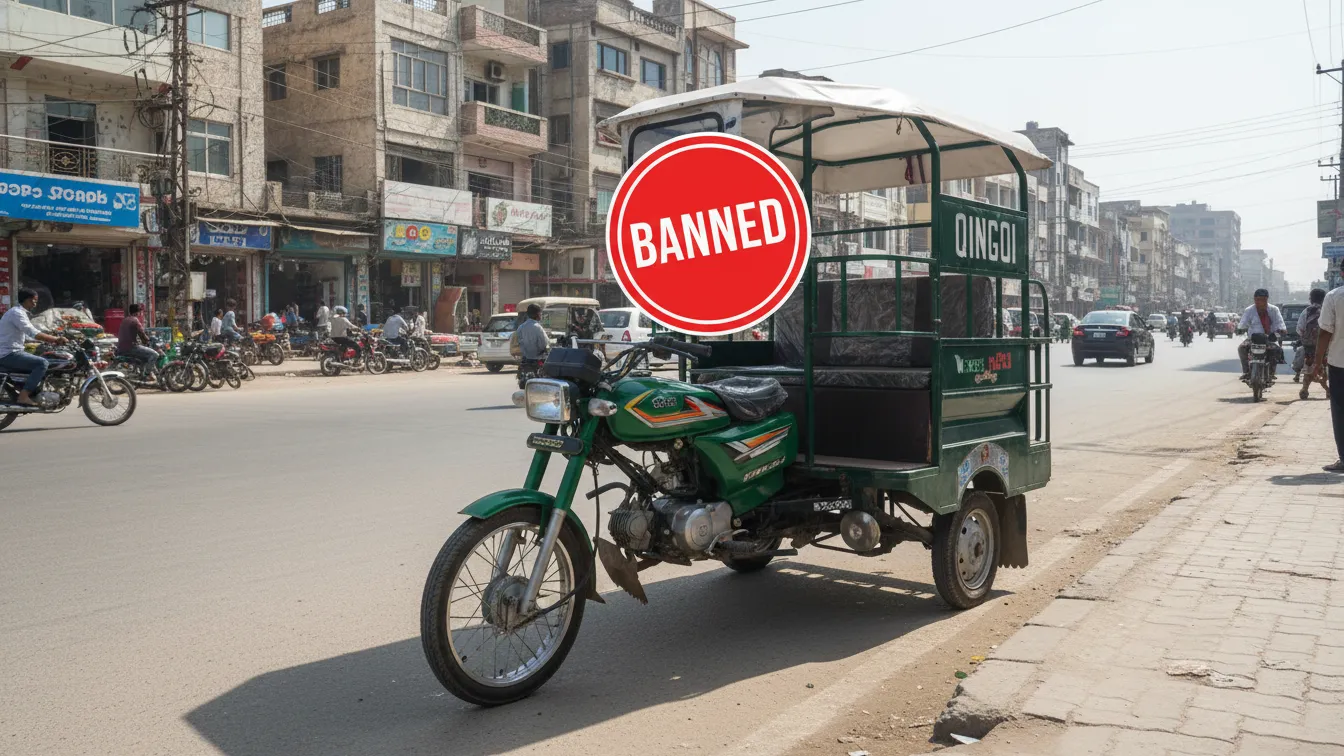
From a systems engineering perspective, this is not merely a restriction but a “lane management strategy.” In technical terms, the mix of slow-moving, low-torque vehicles (rickshaws) with high-velocity passenger cars creates “traffic turbulence.” This ban effectively separates different vehicle classes to ensure that the Canal Road—a critical artery—operates at its intended design speed. Furthermore, the crackdown on overloaded auto-rickshaws ensures that passenger safety remains the non-negotiable priority.

The Socio-Economic Impact
For the daily commuter, this shift promises a significant reduction in travel time between Dharampura, Mughalpura, and Thokar Niaz Baig. Students and professionals will likely see a more disciplined traffic environment, which reduces the psychological stress of the daily commute. However, for small-scale vendors and loader operators, this represents a logistical challenge. They must now seek alternate routes or upgraded transport solutions to move goods across the city, potentially increasing short-term operating costs.
The Forward Path: A Momentum Shift
We classify this development as a Momentum Shift for Lahore’s infrastructure. While bans can be disruptive, the prioritization of safety and efficiency on a primary artery is a necessary structural calibration. The deployment of special enforcement teams indicates a move toward data-driven policing rather than passive observation. For this to be a permanent success, the city must now accelerate the development of specialized freight corridors for loaders to maintain economic fluidity.