The trajectory of a nation is calibrated by the economic precision of its youth. Consequently, integrating comprehensive Financial Literacy Education into the early years of childhood is no longer a luxury—it is a structural necessity for Pakistan. With nearly 64% of the population under 30, the decisions we make regarding their financial fluency will determine our national momentum for decades. Entrepreneur Muhammad Burhan Mirza argues that this shift represents the difference between a generation that builds wealth and one that merely chases it.
Calibrating the Next Generation for Economic Resilience
Research indicates that financial habits and cognitive frameworks regarding money begin forming as early as age three. By age seven, most children have already established their baseline attitudes toward saving and spending. In Pakistan, children typically observe financial behaviors through osmosis, often witnessing adults manage bills or loans without clear strategic logic. Consequently, they enter adulthood with a deficit in practical economic understanding.
:max_bytes(150000):strip_icc()/FinancialLiteracy_Final_4196456-74c34377122d43748ed63ef46a285116.jpg)
Burhan Mirza emphasizes that waiting until adulthood to introduce these concepts is a strategic failure. Just as we immerse children in language and science from birth, we must also immerse them in the logic of capital. Studies from Cambridge University confirm that early exposure to Financial Literacy Education leads to higher savings rates and significantly lower levels of problematic debt in later life.
The Practical Framework for Early Agency
Mirza advocates for a structured approach that grants children agency over resources. This model involves dividing funds into three specific categories: spending, saving, and giving. Specifically, transparent jars for younger children or basic digital bank accounts for teenagers provide a visual and tangible baseline for growth. Furthermore, connecting income to specific household contributions—rather than unconditional allowances—establishes a precise link between effort and reward.
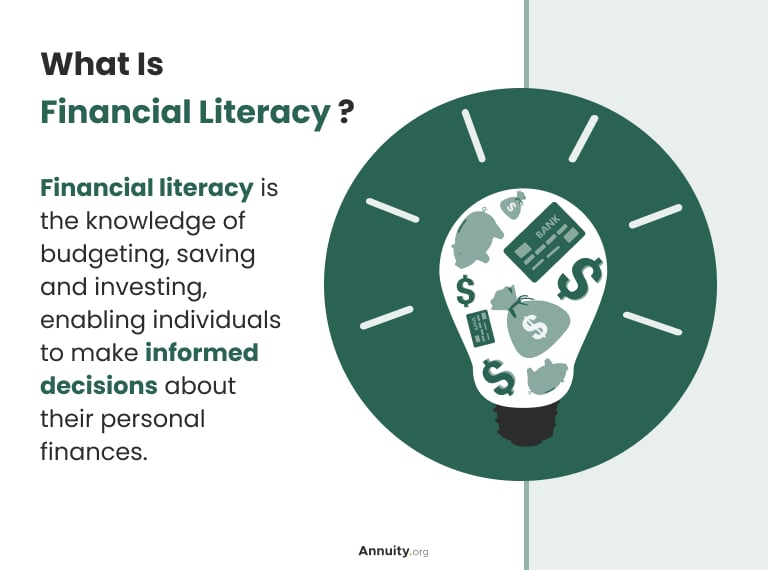
Transparency acts as a catalyst for this learning process. Families often shield children from money matters to protect them, yet this practice inadvertently fosters illiteracy. Age-appropriate discussions about utility bills, grocery budgets, and travel costs build a practical intuition that no textbook can replicate. These real-world data points transform abstract numbers into concrete life skills.
The Situation Room: National Analysis
The Translation: Decoding the Currency Gap
In the current Pakistani context, money is often treated as a taboo subject or a source of stress. The “Translation” here is simple: we must redefine money from a “burden of adults” to a “tool of the architect.” By explaining cash flow, margins, and the difference between revenue and profit in simple terms, we bridge the gap between mere ambition and successful entrepreneurship. We are moving from passive consumption to active management.

The Socio-Economic Impact: Wealth as a National Baseline
How does this change the life of a citizen? For the professional in Lahore or the student in rural Sindh, Financial Literacy Education provides a shield against predatory lending and a roadmap to asset accumulation. When a population understands compound interest and investment trade-offs, the national savings rate rises. This stability reduces the domestic reliance on high-interest consumer debt, creating a more resilient middle class that can weather economic volatility.

The Forward Path: A Momentum Shift in Policy
This development represents a Momentum Shift. While private schools have begun piloting entrepreneurship programs, true national progress requires a systemic overhaul of the public curriculum. We have the digital tools—apps, simulations, and interactive platforms—to democratize this knowledge. Integrating financial fluency into the national baseline is not just an educational goal; it is a strategic economic imperative for Pakistan’s survival in the 21st century.