
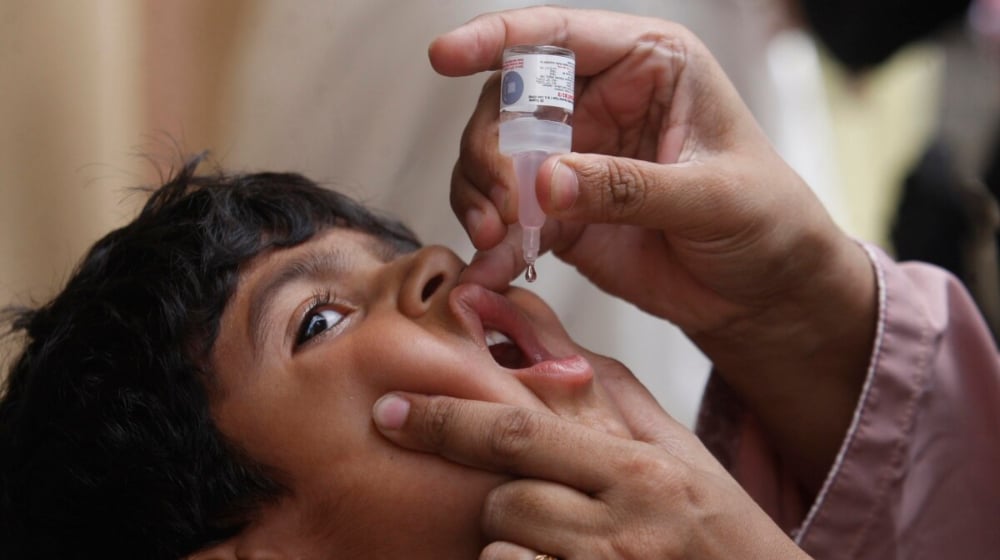
Pakistan has initiated a precision-engineered polio vaccination drive across 79 high-risk districts to safeguard the nation’s biological baseline. This week-long campaign aims to immunize more than 19 million children under the age of five against the debilitating virus. By deploying a calibrated workforce of 160,000 frontline professionals, the state is executing a massive logistical operation to ensure no child is left behind in the pursuit of national health security.
Strategic Resource Allocation and Logistics
The National Emergency Operations Centre (NEOC) has structuralized the rollout to maximize coverage efficiency across all provinces. Consequently, the distribution of vaccines follows a data-driven approach based on regional vulnerability profiles. The workforce remains active through May 24, representing one of the most significant mobilizations of human capital in the public health sector this year.
- Punjab: Targeting 6.19 million children across 10 strategic districts.
- Sindh: Administering doses to approximately 5.79 million children in 20 districts.
- Khyber Pakhtunkhwa: Reaching 4.61 million children through 23 district teams.
- Balochistan: Mobilizing to vaccinate 1.99 million children across 25 districts.
- Islamabad: Covering 450,000 children within the federal capital territory.

Regional Synchronicity: The Pakistan-Afghanistan Corridor
Furthermore, this polio vaccination drive is not an isolated event but a coordinated regional offensive. Pakistan and Afghanistan have synchronized their vaccination timelines to mitigate the risk of cross-border transmission. This bilateral alignment serves as a critical catalyst for the total eradication of the virus within the remaining global reservoirs. By harmonizing these efforts, both nations strengthen the structural integrity of the regional health corridor.
The Situation Room Analysis
The Translation (Clear Context)
In technical terms, “high-risk districts” refers to geographic clusters where environmental samples have recently tested positive or where population density and mobility create a high probability of viral transmission. The focus on these 79 districts is a strategic decision to neutralize the virus at its source rather than using a diluted, blanket approach. The logic is simple: by saturating these high-risk zones, we create a “firewall” of immunity.
The Socio-Economic Impact
The success of this campaign directly impacts the daily lives of Pakistani citizens by reducing the long-term economic burden of disability. For the average household, this protection ensures that children grow into productive, able-bodied professionals and students. On a macro level, eradicating polio will eventually allow Pakistan to reallocate billions in health spending toward modernizing our STEM and digital infrastructure.
The “Forward Path” (Opinion)
This development represents a Momentum Shift. The synchronization with Afghanistan and the sheer scale of the 160,000-worker deployment indicates a transition from reactive containment to proactive eradication. While security challenges remain in certain corridors, the data-driven precision of this campaign suggests that Pakistan is entering the final, decisive phase of this decades-long struggle.








