Pakistan’s manufacturing sector teeters on the brink of a systemic collapse. Consequently, the Federation of Pakistan Chambers of Commerce and Industry (FPCCI) has urgently called for an industrial emergency. Persistently high energy costs, expensive credit, and heavy taxation are the primary culprits, according to the nation’s top business body. This critical situation demands immediate governmental intervention to prevent widespread economic damage and to address the deepening Pakistan manufacturing crisis.
An Unprecedented Industrial Emergency Declared
FPCCI President Atif Ikram Sheikh recently highlighted the dire situation. Manufacturers continue receiving electricity bills at Rs. 34 to Rs. 35 per unit. This occurs despite repeated governmental assurances of relief. Furthermore, Sheikh firmly stated that FPCCI rejects incremental support packages, as promised power tariffs of Rs. 22 per unit have not materialized for any industrial segment. This failure exacerbates the challenges faced by local industries.

Regional Disparities and Stalled Competitiveness
Speaking alongside S. M. Tanveer, Patron in Chief of United Business Group, the FPCCI president elaborated on the competitive disadvantage. A combination of regionally uncompetitive energy tariffs, high interest rates, and a restrictive tax regime significantly hinders Pakistani manufacturers. Therefore, competing globally has become nearly impossible. Moreover, the slowdown in the real estate sector has impacted approximately 400 allied industries, deepening the current economic strain across the nation.
FPCCI’s Demands for Economic Revival
To reverse this alarming trend, FPCCI has presented several key demands:
- A sharp reduction in income tax on industry from 39 percent to 20 percent.
- A maximum tax rate of 15 percent for salaried individuals.
- Reduced gas prices for industry, from Rs. 3,900 per MMBTU to Rs. 2,400 per MMBTU, to restore export competitiveness.
Atif Ikram Sheikh highlighted shocking regional disparities. Pakistani exporters, for instance, face electricity tariffs of around 12.5 cents per unit. In contrast, competing economies such as India, Bangladesh, and Vietnam benefit from rates between 6 to 9 cents. This significant gap has accelerated de-industrialisation, forcing hundreds of factories to shut down and triggering capital flight to more business-friendly countries.
The Existential Crisis of Pakistan’s Textile Sector
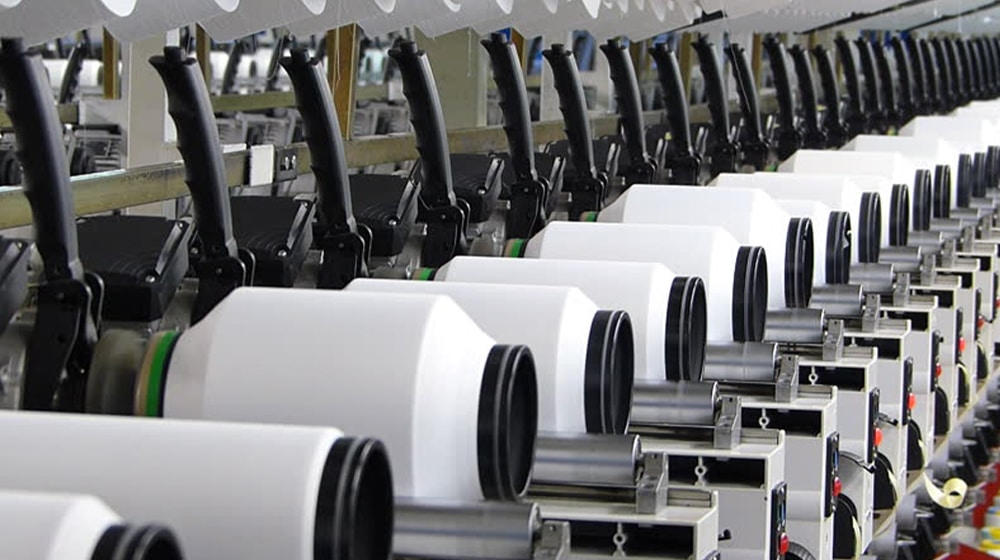
S. M. Tanveer underscored the gravity of the situation for the textile sector. This vital industry forms the backbone of Pakistan’s exports; however, it now faces an existential crisis. Already, over 1,000 mills have been forced to close. Tanveer strongly criticized the reliance on high interest rates for inflation control, asserting that this policy has squeezed liquidity, curtailed private sector credit, and severely stalled industrial expansion.
Urgent Monetary Policy Interventions Required
Tanveer demanded immediate action regarding the policy rate. Specifically, he called for a cut from 10.5 percent to 9 percent in the upcoming Monetary Policy Committee meeting on January 26. Furthermore, he advocated for a gradual reduction to 6 percent over the subsequent three policy reviews. These steps are crucial for injecting much-needed liquidity into the market.

A Comprehensive Framework for Recovery
FPCCI also proposed a broader, more robust recovery framework. This includes:
- Clearing all pending sales tax refunds under the Export Facilitation Scheme.
- Shifting to a “take and pay” model for independent power producers (IPPs).
- Implementing an immediate 9-cent per unit electricity tariff for export-oriented industries.
- Further reducing this tariff to 7 cents per unit in the next year.
Consequences of Inaction on the Pakistan Manufacturing Crisis
FPCCI issued a stern warning about the severe consequences of failing to prioritize industry in economic policy. Such neglect would inevitably result in rising unemployment, significant loss of foreign exchange, and irreparable long-term damage to national productivity. Therefore, decisive action is paramount to safeguard Pakistan’s industrial future and avert a deeper economic downturn.