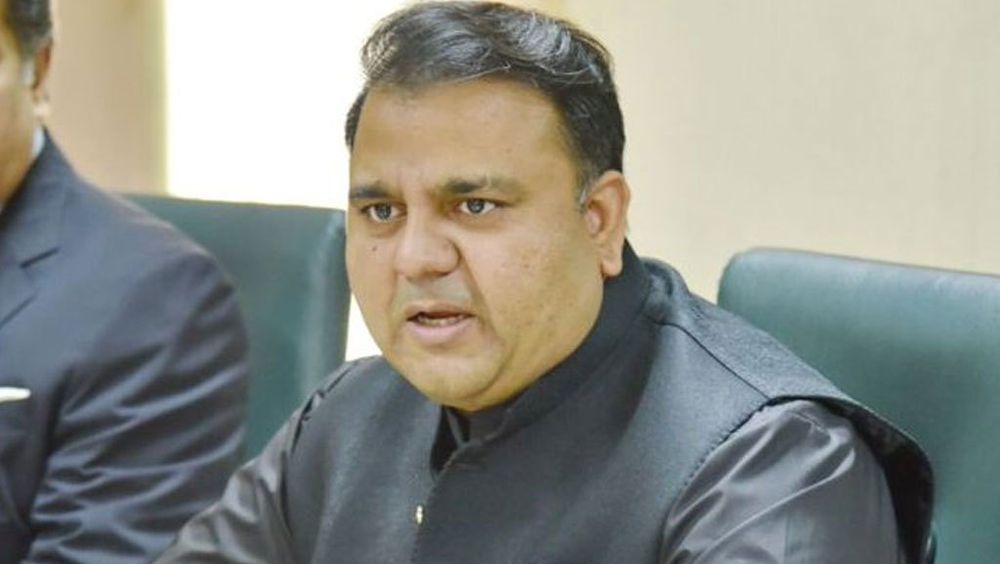
Systemic efficiency in national discourse requires high-precision data. Recently, a significant factual error regarding the Fatima Sana captaincy ignited a firestorm of criticism across digital platforms. Fawad Chaudhry, a prominent political figure, publicly demanded that Fatima Sana be appointed captain, unaware that she already occupies the leadership role for Pakistan’s women’s cricket team. This incident serves as a baseline for analyzing how misinformation spreads within high-level commentary.
The Tactical Error: Analyzing the Fatima Sana Captaincy Comment
On May 16, 2026, Fawad Chaudhry posted a request on X (formerly Twitter) asking for Fatima Sana’s appointment as captain. This statement was linked to a report celebrating her record-breaking performance in T20Is. However, the report itself confirmed her status as the current leader. Consequently, the plea appeared structurally flawed and out of touch with the current sports landscape. Social media users and sports journalists quickly identified the blunder, leading to a wave of corrective responses.

Strategic communication requires a thorough review of source material. In this instance, the mismatch between the shared link and the accompanying commentary created a credibility gap. Critics argue that the failure to read the very source being cited undercuts the authority of the commentator. Furthermore, this error follows a documented pattern of public slip-ups that have historically invited ridicule.
The Situation Room: A Structural Analysis
The Translation (Clear Context)
The “blunder” is more than a simple mistake; it represents a disconnect between political commentary and factual reality. While Chaudhry intended to praise an athlete’s performance, he inadvertently revealed a lack of basic research. In the “Next Gen” era, influencers and leaders are expected to verify data before broadcast. The logic here is simple: precision in small details is the catalyst for trust in larger policy discussions.
The Socio-Economic Impact
This event impacts the daily life of Pakistani citizens by raising the bar for digital accountability. As students and young professionals navigate a landscape of “fake news,” seeing public figures held to account for factual errors reinforces the importance of media literacy. It signals that in modern Pakistan, social media acts as a decentralized fact-checking mechanism that demands precision from everyone, regardless of their status.
The “Forward Path” (Opinion)
This development represents a Stabilization Move. While the error itself is a minor sporting oversight, the collective reaction marks a stabilization of public discourse. We are moving toward a system where information is audited in real-time. This trend forces a higher standard of preparation for public figures, ensuring that future national dialogue is built on a baseline of verified facts rather than reactive impulses.