
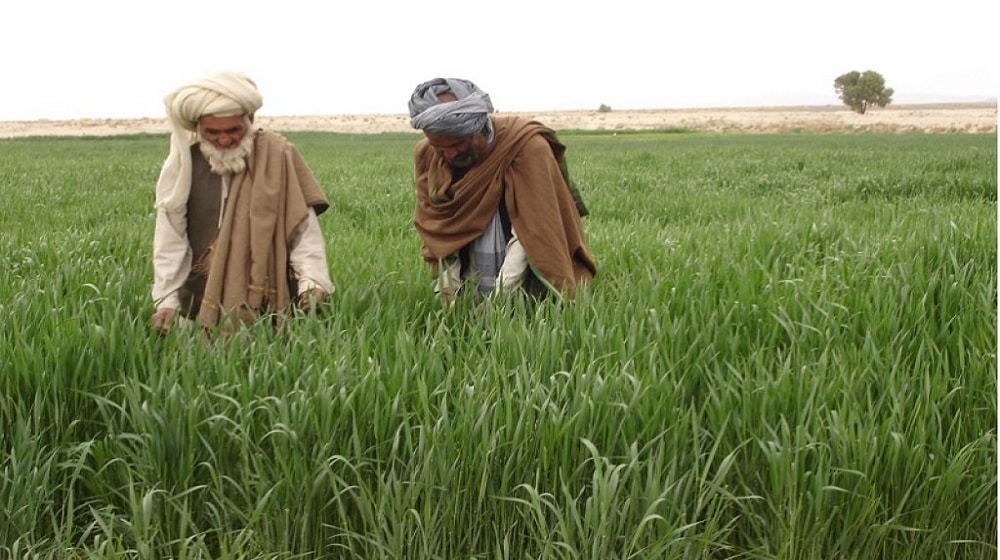
The federal government has calibrated its fiscal strategy by implementing a fertilizer tax relief measure, deferring a planned 5% increase in Federal Excise Duty (FED) for the agricultural sector. This strategic pivot, formally communicated to the International Monetary Fund (IMF) in writing, seeks to stabilize domestic production efficiency. By postponing this tax hike, the administration aims to mitigate immediate cost pressures on primary producers during a period of global market volatility.
Strategic Alignment: The Logic of Delay
Precision in fiscal policy is a catalyst for national stability. Consequently, the government identified that fertilizers and pesticides hold strategic importance in Pakistan’s food security baseline. Officials informed the IMF that sharp fluctuations in global oil and chemical prices necessitated a structural pause in tax expansion. This precision-driven decision prevents a compounding effect on input costs, which would have otherwise compromised agricultural output.
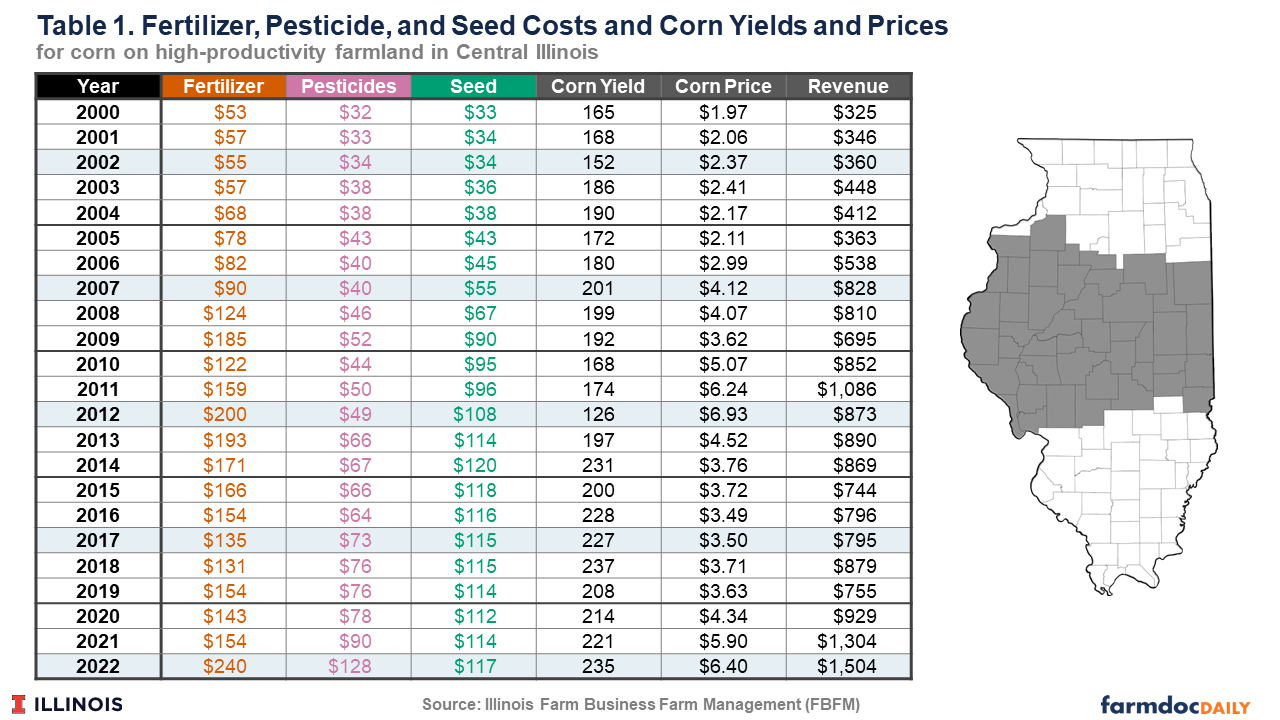
Furthermore, the proposed 5% FED increase on pesticides was flagged as a potential threat to crop protection protocols. Maintaining current tax levels ensures that farmers can access essential chemical defenses without a sudden financial shock. This move reflects a calibrated effort to balance IMF revenue targets with the operational realities of the local agricultural landscape.
The Situation Room Analysis
The Translation (Clear Context)
While the IMF typically mandates revenue generation through increased taxation, the Pakistani government argued for a strategic exception. In technical terms, this is a “deferment of fiscal contraction” in a critical sector. The logic is simple: taxing the foundation of the food supply chain during a price surge creates an inflationary feedback loop that hurts the entire economy.

The Socio-Economic Impact
For the average Pakistani household, this fertilizer tax relief acts as a buffer against rising food inflation. If input costs for farmers rise, the price of wheat, vegetables, and fruit increases at the urban retail level. For the rural professional, this delay preserves thin profit margins, allowing for continued investment in high-quality seeds and modern farming technology.
The “Forward Path” (Opinion)
We categorize this development as a Stabilization Move. While it provides immediate relief, it does not solve the long-term structural inefficiency of our agricultural subsidy model. To achieve a true “Momentum Shift,” Pakistan must move beyond tax deferments and toward high-precision farming technologies that reduce the baseline reliance on imported chemical inputs.
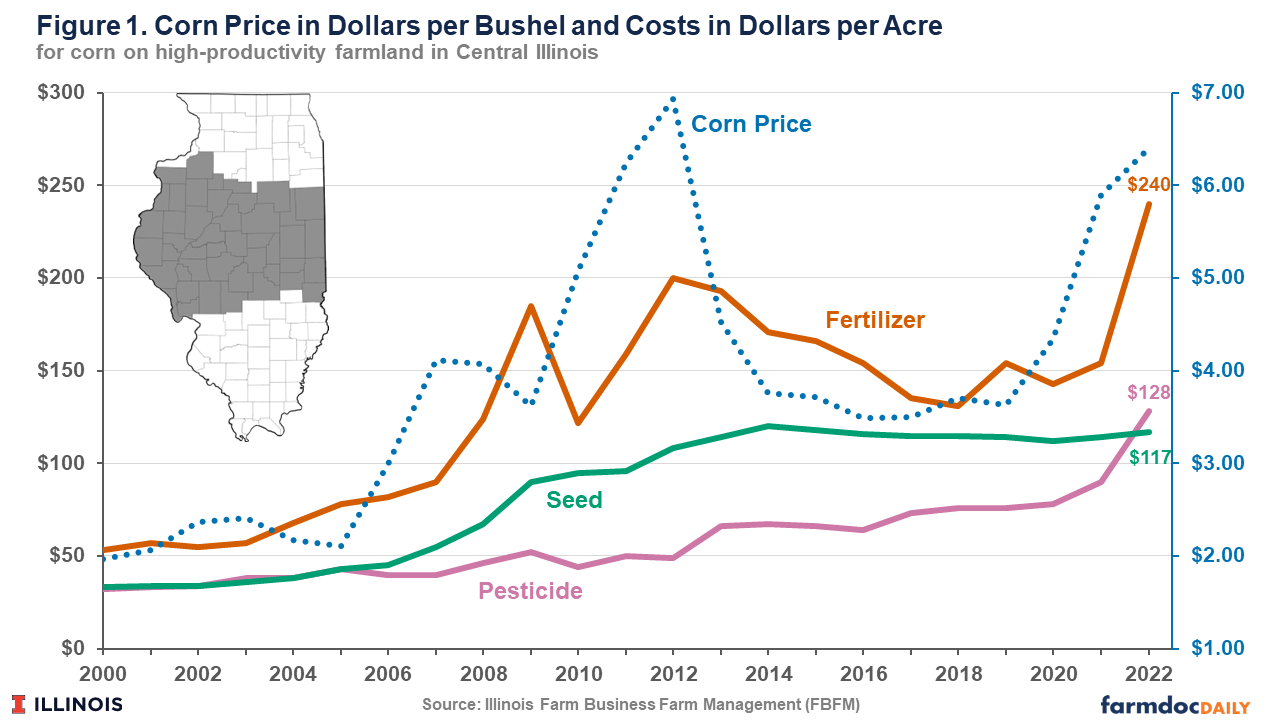
Key Takeaways for the Digital Frontier:
- Fiscal Deferment: The 5% FED on fertilizers and pesticides is officially postponed.
- IMF Engagement: The government has secured a strategic pause by citing global price volatility.
- Yield Protection: The primary goal is to prevent a surge in agricultural input costs.
- Macroeconomic Buffer: This move helps contain food inflation for urban and rural consumers.








