

Balochistan’s healthcare landscape underwent a structural transformation with the launch of its first-ever Air Ambulance Service. This strategic expansion integrates 11 welfare projects, including the Peoples Air Ambulance and a 150-bed trauma center, to bridge the critical gap between remote terrain and life-saving medical intervention. Consequently, the provincial government has established a new baseline for emergency response efficiency.
The Translation: Engineering a Mobile ICU
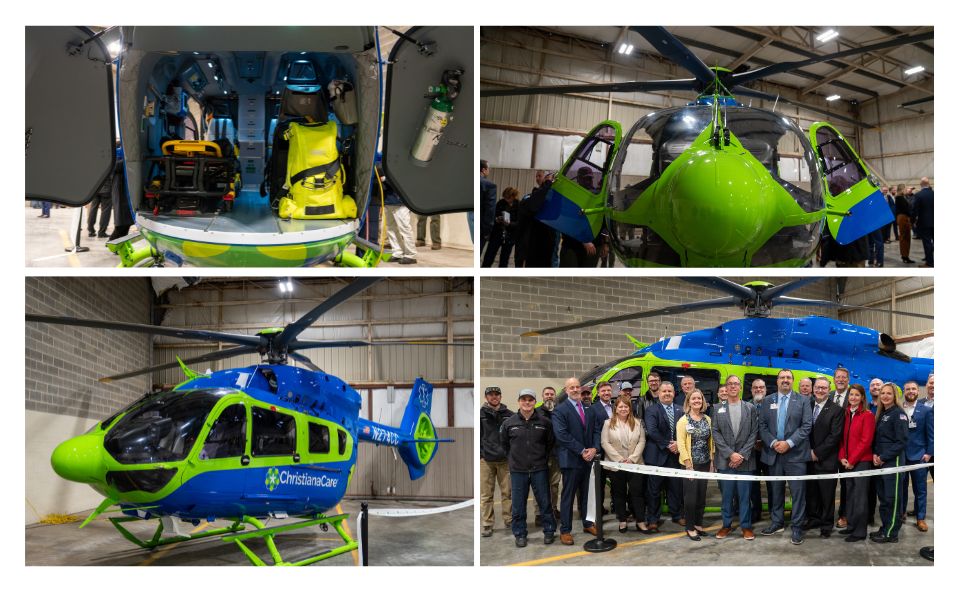
The inauguration of the Air Ambulance Service represents more than just the addition of aerial vehicles; it signifies the deployment of mobile intensive care units. In technical terms, this initiative solves the “last-mile” delivery problem in healthcare. By utilizing specialized aircraft, the government ensures that the “Golden Hour”—the critical window for trauma survival—is no longer compromised by Balochistan’s challenging geography. Specifically, the Benazir Ambulance Service and the Peoples Air Ambulance Service will now provide precision evacuation for critically ill patients in the province’s most isolated sectors.
The Socio-Economic Impact: Protecting the Human Capital
How does this change the daily life of a Pakistani citizen? For families in rural districts, this development acts as a catalyst for increased life expectancy and family stability. Previously, a medical emergency in remote Balochistan often led to catastrophic financial loss or loss of life due to transportation delays. Furthermore, the new 150-bed Quetta Trauma Center provides a centralized hub for advanced surgical intervention. This infrastructure secures the province’s human capital by ensuring that professionals and students alike have a reliable safety net, regardless of their proximity to urban centers.
The Forward Path: A Structural Momentum Shift

We categorize this development as a definitive Momentum Shift. This is not merely a maintenance move; it is a calibrated upgrade to the provincial healthcare architecture. By prioritizing the Air Ambulance Service, the leadership has transitioned from passive reporting of medical shortages to active system optimization. As more healthcare projects are slated for inauguration after Eid, the focus must remain on the precision maintenance of these assets. This trajectory indicates a commitment to modernizing Pakistan’s system efficiency through STEM-driven solutions.








