

The Government of Pakistan is calibrating its national energy matrix by initiating the first formal policy for waste-to-energy projects. Prime Minister Shehbaz Sharif recently established a high-level task force to construct a strategic roadmap for this transition. By integrating private sector expertise with public oversight, this initiative seeks to convert urban refuse into a precision catalyst for national energy security.
Establishing the Waste-to-Energy Policy Framework
Federal Minister for Power Division Sardar Awais Leghari will lead the task force as its convener. This multi-sectoral body includes high-ranking officials from climate change, finance, and provincial departments to ensure structural alignment across the board. The primary objective is to create a clear institutional framework that facilitates both local and foreign investment in sustainable power generation.
A Multi-Sectoral Approach to Resource Recovery
The task force is mandated to identify and resolve the legal, regulatory, and financial bottlenecks currently hindering the sector. Their strategic roadmap will include:
- Reviewing international best practices for high-efficiency energy recovery.
- Proposing legislative reforms to incentivize private sector participation.
- Improving coordination between federal and provincial stakeholders for project implementation.
- Identifying operational challenges in the current waste collection and processing lifecycle.
The Translation (Clear Context)
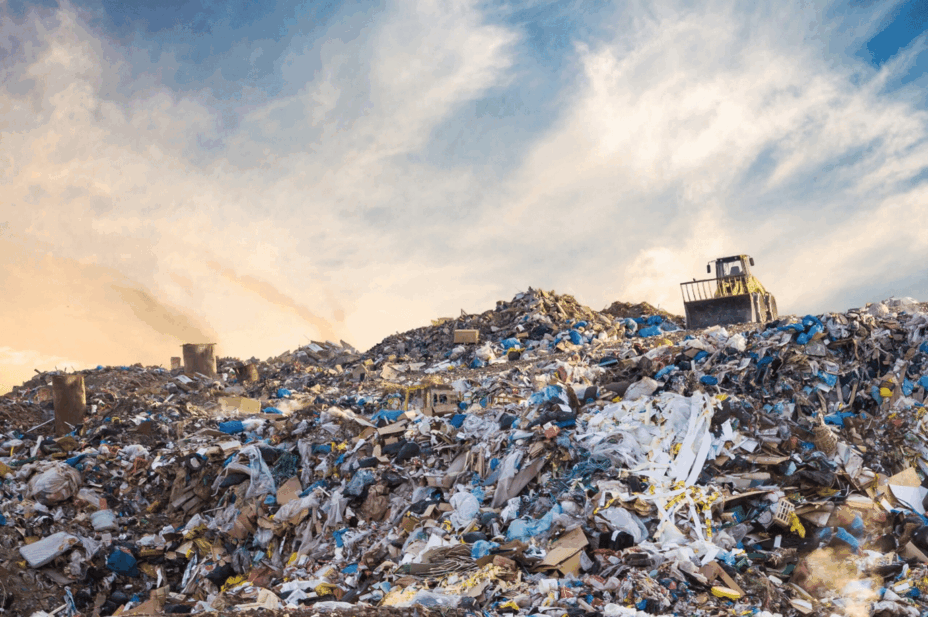
Traditional waste management in Pakistan currently relies on inefficient landfilling, which creates long-term environmental liabilities. This new framework shifts the paradigm by treating urban refuse as a feedstock for power generation rather than a burden. The government is effectively moving from a “disposal mindset” to a “circular economy” model, where the output of municipal systems becomes the input for the energy grid.

The Socio-Economic Impact
For the average Pakistani citizen, successful waste-to-energy projects target two critical pain points: municipal hygiene and energy costs. Effective waste-to-energy implementation reduces the volume of trash in urban centers while contributing decentralized power to the national grid. This systematic approach creates localized employment opportunities in the waste-tech sector. Furthermore, it mitigates public health risks associated with open dumping, potentially lowering long-term healthcare expenditures for households.
The Forward Path (Opinion)
This development represents a significant Momentum Shift. While previous energy policies relied heavily on expensive imported fuels, localizing energy production through waste processing is a strategic move for structural stability. The inclusion of private sector representatives ensures that the roadmap remains grounded in operational reality. However, the speed of legislative reform will determine if this policy becomes a baseline for a cleaner Pakistan or remains a theoretical exercise.








