
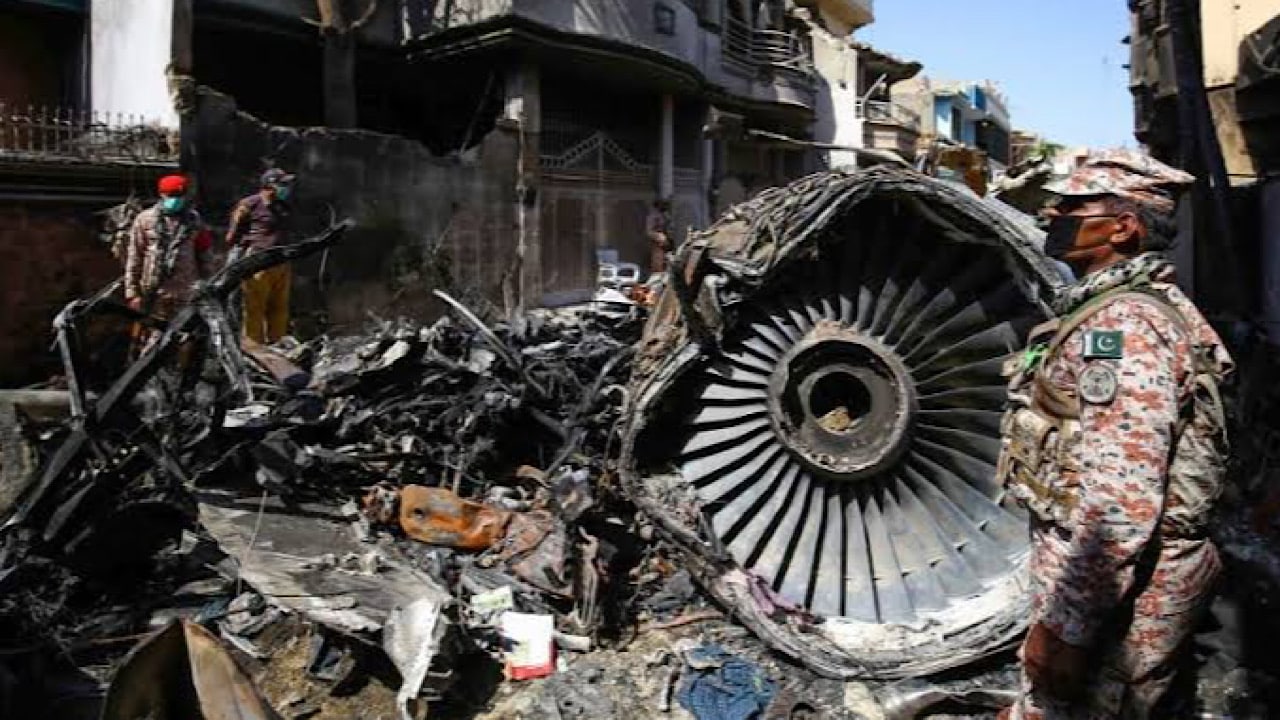
Pakistan is executing a calibrated overhaul of its aviation liability framework to ensure precision in passenger protection. Consequently, the Senate recently passed the Carriage by Air (Amendment) Bill 2026. This legislation quadruples the mandated Air Travel Compensation from Rs. 5 million to Rs. 20 million. Moreover, this structural update moves Pakistan closer to international safety baselines while addressing long-standing inflationary pressures within the transport sector.
Strategic Adjustment: Raising the Financial Baseline
Tariq Fazal Chaudhry presented the Carriage by Air (Amendment) Bill in the Senate, where it secured a majority vote. Furthermore, the government emphasized that updating these limits was essential to maintain parity with global aviation norms. While some opposition members requested a standing committee review, the Senate prioritized the immediate necessity of this legal upgrade.

The Translation: Technical Clarity on Liability
Specifically, the law redefines the scope of Air Travel Compensation by setting a new ceiling for carrier liability. If an incident occurs due to airline negligence or staff misconduct, the airline must provide the full Rs. 20 million. However, if the carrier proves that the incident did not result from their direct fault, their liability will not exceed this specified amount. This mechanism balances passenger rights with corporate accountability.

Impact of Enhanced Air Travel Compensation
The National Assembly has already approved this bill, which now awaits the final assent from President Asif Ali Zardari. Once signed, the law will immediately reform the financial recourse available to victims of aviation accidents. This policy shift acts as a catalyst for airlines to implement more rigorous maintenance and safety protocols to avoid high-value payouts.

The Socio-Economic Impact: Citizen Security
For the average Pakistani household, this change represents a significant security enhancement. Previously, the Rs. 5 million limit failed to cover the long-term economic loss for families who lost a primary breadwinner. By raising the baseline to Rs. 20 million, the state acknowledges the modern cost of living and provides a more realistic safety net for professionals and students traveling across our skies.

The Forward Path: Momentum Shift
This development is a clear Momentum Shift for Pakistan’s aviation sector. We are transitioning from a period of stagnant liability limits toward a system characterized by precision and international alignment. Consequently, this bill will force domestic carriers to upgrade their safety infrastructure to mitigate financial risks. It is a necessary structural evolution for a nation aiming to modernize its transport corridors.









