

The structural stability of our digital infrastructure depends on precision software integration. Microsoft is currently calibrating its ecosystem by adding “Cloud-Initiated Driver Recovery,” a strategic feature designed to automatically roll back faulty Windows 11 drivers to stable configurations. This architectural shift aims to eliminate the friction of manual troubleshooting, ensuring that system downtime is minimized through proactive, cloud-based interventions.
Optimizing Performance: The New Standard for Windows 11 Drivers
Currently, the resolution of hardware conflicts remains a reactive and fragmented process. When a faulty driver compromises system integrity, users typically depend on manufacturers to issue a calibrated fix. Consequently, many Pakistani professionals and students must manually uninstall problematic software, a process that often leaves systems in a baseline, low-quality state for extended periods.

Microsoft’s new data-driven approach shifts this burden from the user to the OS. By utilizing the Windows Update framework, the system can now remotely trigger a rollback. Therefore, if a new update causes instability, the “Cloud-Initiated Driver Recovery” mechanism restores the system to a previously verified “known good” state without requiring user permission or technical expertise.
Strategic Rollout and Implementation Timeline
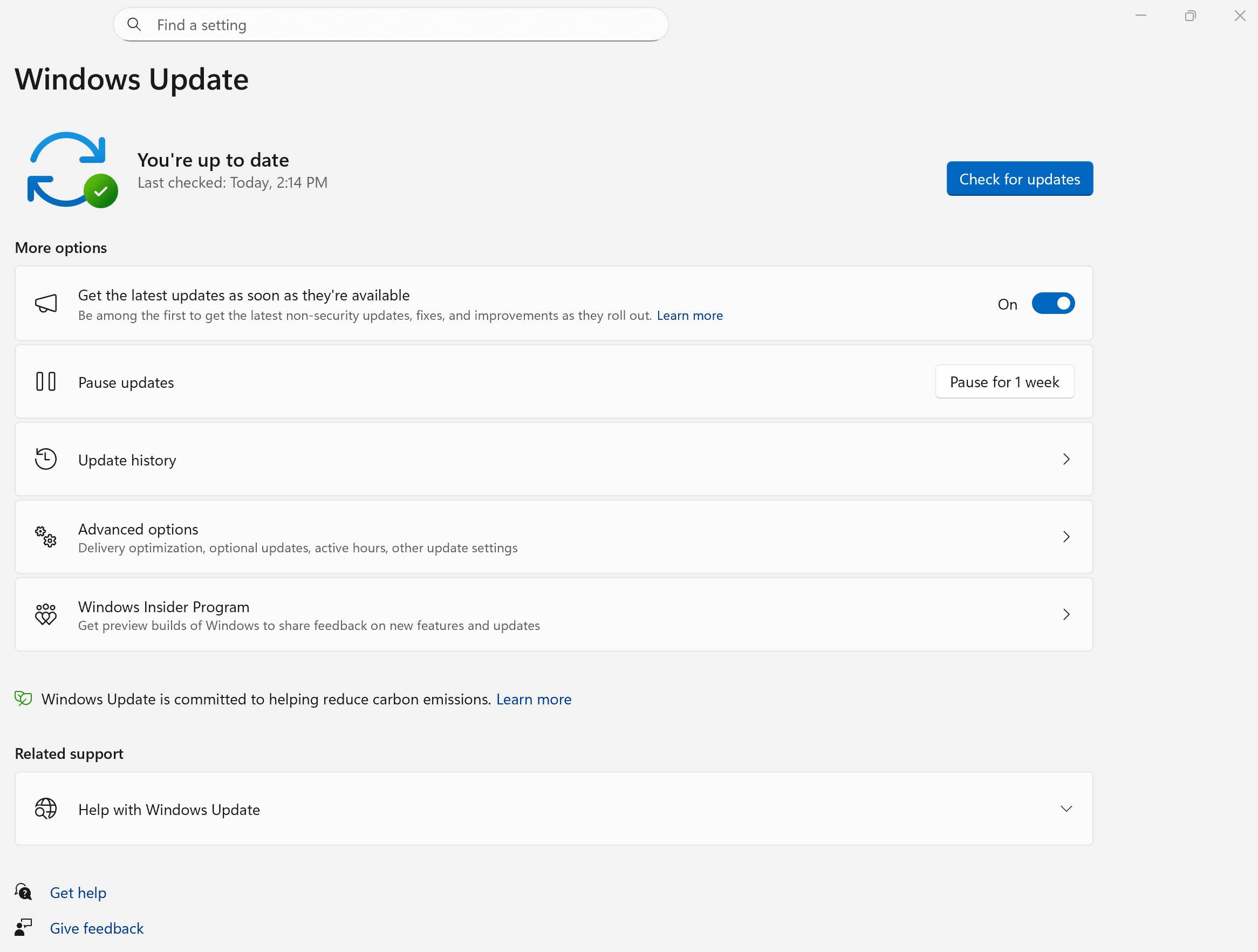
The technical verification phase for this feature is currently underway and will continue through August. Microsoft aims to deploy this structural update to the global Windows PC fleet starting in September. Furthermore, this move signals a broader transition toward autonomous system maintenance, reducing the operational dependency on external hardware partners for immediate crisis management.

The Translation
In technical terms, this is a transition from reactive maintenance to autonomous self-healing. Previously, if a “driver” (the translator between your hardware and software) broke, your computer would crash until you or a technician fixed it. Microsoft is now installing a “safety switch” in the cloud. If the system detects a failure, it automatically flips the switch back to the last version that worked, ensuring your device remains operational without any manual effort.
The Socio-Economic Impact
For the Pakistani workforce—ranging from freelance developers in Lahore to students in rural areas—this development directly correlates to increased “Up-Time.” Technical failures are often a major bottleneck in productivity, especially for those without easy access to hardware repair shops. By automating the repair of Windows 11 drivers, Microsoft is effectively reducing the cost of ownership and increasing the reliability of digital tools essential for economic participation in the global gig economy.
The Forward Path
This development represents a Momentum Shift. While it functions as a stabilization move for individual PCs, the shift toward “Cloud-Initiated” management marks a significant leap toward a more resilient, self-correcting digital frontier. We are moving away from the era of manual technical labor and toward a future where system efficiency is managed by intelligent, automated protocols.








