

The Competition Commission of Pakistan (CCP) recently granted a CCP merger approval for a strategic acquisition that recalibrates the nation’s financial landscape. United Ethanol Industries Limited is set to acquire ordinary shares in the Pakistan Corporate Restructuring Company Limited (PCRCL) from eight major commercial banks. This development represents a calculated shift in how industrial giants interact with financial recovery systems. Consequently, this transaction signifies a high-density summary of the evolving agribusiness and financial sectors.
Strategic Alignment in the Financial Frontier
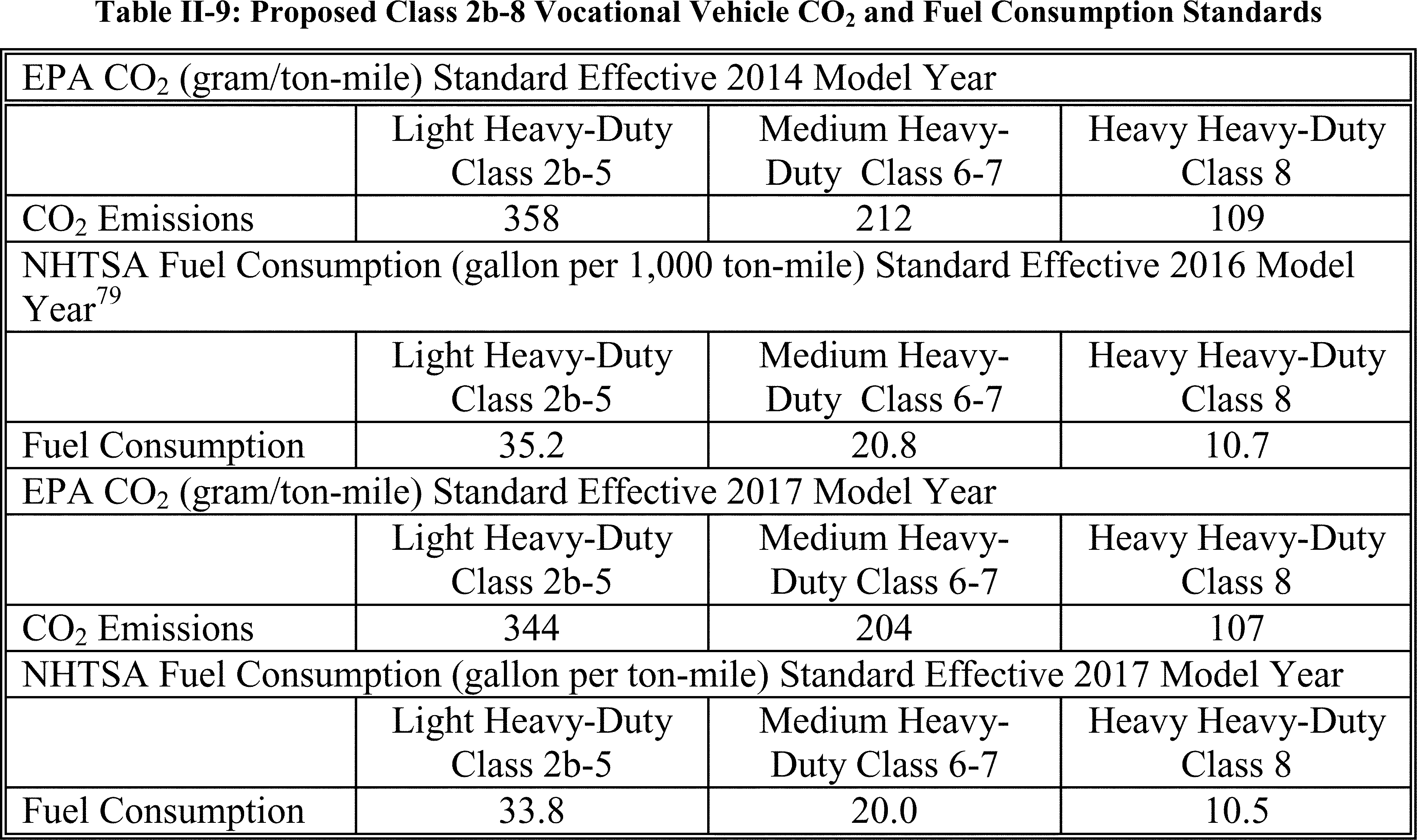
United Ethanol Industries Limited, a publicly listed leader in agribusiness, is diversifying its portfolio. Notably, the firm produces fuel-grade and industrial-grade ethanol. To understand the regulatory framework surrounding such industrial players, we can look at global benchmarks for fuel standards.
The acquisition involves purchasing shares from a consortium of elite banks, including United Bank Limited, MCB Bank Limited, and Allied Bank Limited. Furthermore, institutions like Meezan Bank, Habib Metropolitan Bank, and HBL are also divesting their stakes. This structural realignment allows the banking sector to offload specific assets to a focused industrial entity.
The Translation: Simplifying the System
In simple terms, PCRCL acts as a specialized “restoration team” for the banking sector. It manages non-performing assets, which are essentially loans that have stopped generating income. The firm either revives distressed businesses or liquidates assets to recover lost capital. By obtaining this CCP merger approval, United Ethanol enters a sector dedicated to systemic efficiency. Since both parties operate in unrelated sectors, the CCP labeled this a conglomerate merger. This classification confirms that the deal will not create a monopoly or hinder market competition.
The Socio-Economic Impact
This development directly impacts the daily lives of Pakistani citizens by stabilizing the banking ecosystem. When PCRCL effectively manages “bad loans,” banks regain liquidity. Consequently, these financial institutions can offer more loans to small business owners, students, and families. A healthier financial sector reduces the risk of economic stagnation. Furthermore, the involvement of an industrial player like United Ethanol suggests that private capital is ready to support the structural cleanup of our national economy.
- Increased Liquidity: Banks can redirect capital to productive sectors.
- Business Revival: Distressed companies may find new life under better management.
- Market Transparency: Timely regulatory reviews ensure a fair playing field for all investors.
The Forward Path: A Momentum Shift
This acquisition represents a definitive Momentum Shift for Pakistan’s economic architecture. It demonstrates that the CCP is committed to facilitating investment while maintaining strict regulatory oversight. By allowing an industrial leader to step into the world of financial restructuring, the system gains a new layer of precision. We view this as a catalyst for future conglomerate mergers that could further diversify and strengthen our market dynamics. The CCP’s commitment to transparent practices remains a baseline for national progress.









