
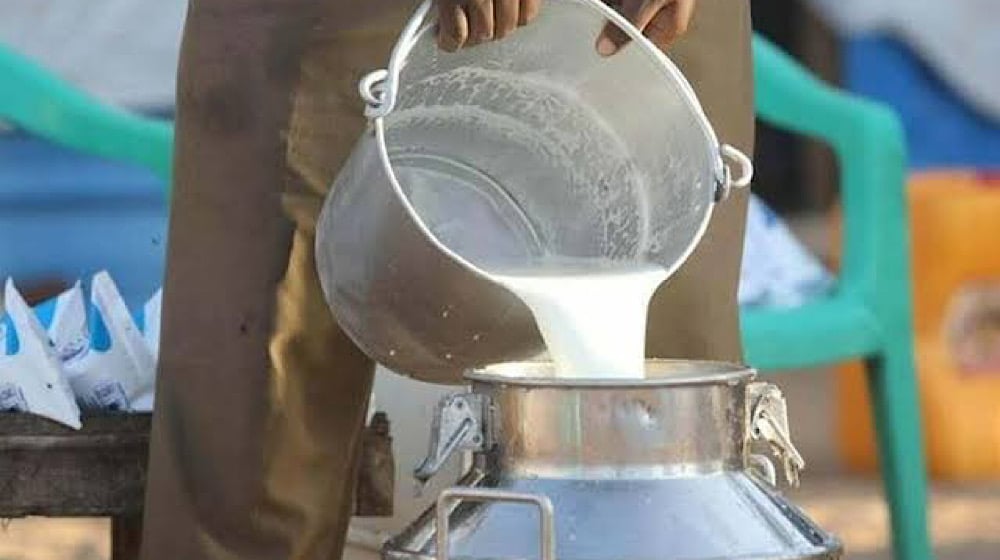
A strategic adjustment in Rawalpindi milk prices has triggered a baseline shift in household expenditure following the recent escalation in petroleum costs. Consequently, dairy retailers across the city implemented a significant price correction to offset rising operational overheads. This structural increase ensures that the dairy supply chain remains functional, despite the intensifying inflationary pressure on local producers and distributors.
The Drivers Behind Rawalpindi Milk Prices
Market data confirms that milk prices increased by Rs. 30 per litre, raising the calibrated rate from Rs. 220 to Rs. 250. Similarly, yogurt prices surged by Rs. 40 per kilogram, now retailing at Rs. 280. The Gujjar Milk Sellers Union and the Fresh Milk Union jointly authorized these changes to counter the rising costs of animal feed and logistics.
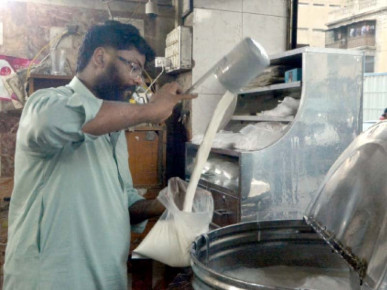
Moreover, the cost of livestock has experienced a staggering trajectory over the last three years. Buffalo prices jumped from Rs. 450,000 to approximately Rs. 1.5 million. Furthermore, fodder and animal feed expenses increased by an unprecedented 700 percent, creating a precision-gap between production costs and retail stability.
The Translation: Decoding Market Realities
The “official price” cited by the district administration represents a theoretical ceiling intended for consumer protection. In contrast, the “market rate” reflects the actualized cost of maintaining a biological asset in an era of hyper-inflated feed prices. When fuel costs rise, the entire logistical framework of the dairy industry requires a recalibration to prevent a total supply collapse.
The Socio-Economic Impact
For the average Pakistani household, this development represents more than just a price hike; it is a nutritional challenge. Milk is a fundamental protein source for children and the elderly. Consequently, as Rawalpindi milk prices climb, families may reduce consumption or pivot to lower-quality alternatives. This shift places additional pressure on urban households already navigating a volatile economic landscape.
The Forward Path: Architect’s Perspective
This development represents a Stabilization Move for the dairy industry, albeit a painful one for consumers. Until the agricultural sector implements high-efficiency fodder production and precision livestock management, these price spikes remain unavoidable. Long-term stability requires a catalyst for structural reform in Pakistan’s dairy supply chain to decouple essential food prices from global fuel volatility.








