
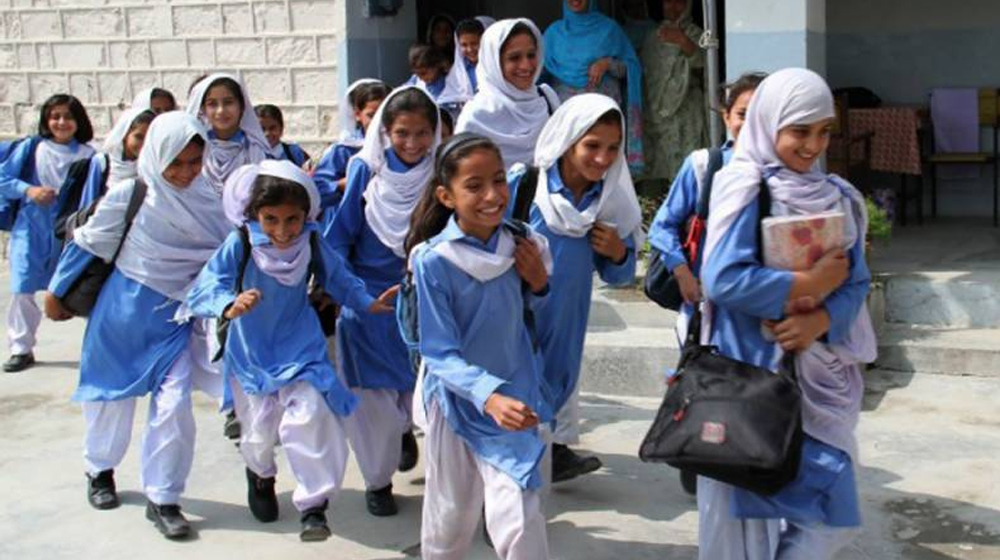
The School Education Department has calibrated the provincial academic calendar by announcing the official Balochistan summer vacations for 2026. This strategic directive establishes a clear operational baseline for all public and private educational institutions located within the province’s designated summer zones. Consequently, the holiday period will commence on May 23, 2026, and conclude on July 31, 2026, to safeguard student well-being during extreme thermal peaks.
The Translation: Governance and Data Integrity
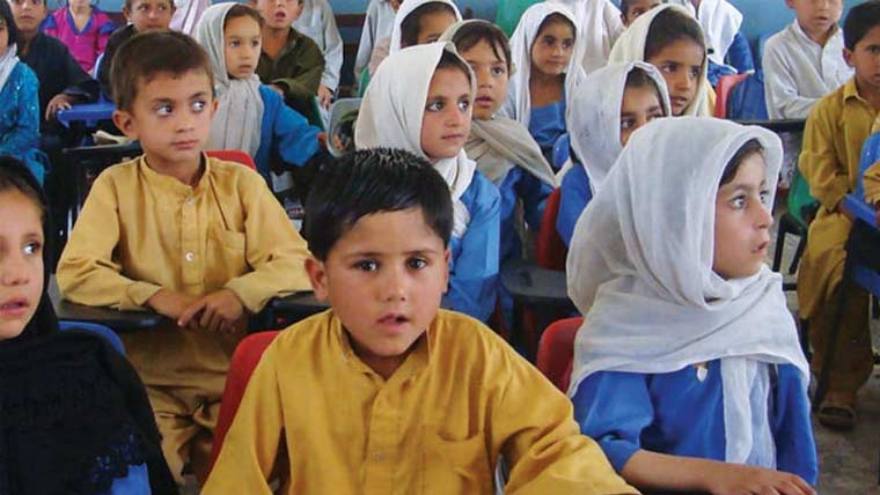
The government is not simply closing schools; it is enforcing institutional accountability. Specifically, the department has linked vacation approval to the successful completion of the digital census. Furthermore, heads of institutions must finalize all record updates and administrative responsibilities before the hiatus begins. This policy ensures that the provincial data infrastructure remains precise and functional without disrupting the summer cycle.
Structural Overview of Balochistan Summer Vacations
- Commencement Date: May 23, 2026
- Conclusion Date: July 31, 2026
- Mandatory Prerequisite: Digital Census completion and record updates
- Scope: Public and private institutions in summer zones
The Socio-Economic Impact: Precision in Planning

For the citizens of Balochistan, this announcement provides a necessary catalyst for household stability. Families can now synchronize their schedules with a defined timeline, reducing uncertainty during the peak summer months. Moreover, the emphasis on administrative accuracy ensures that the upcoming academic term starts without structural delays. This approach minimizes the “administrative debt” often found in rural districts during prolonged closures.
The Forward Path: A Momentum Shift
In our expert assessment, this development represents a Momentum Shift toward higher system efficiency. By integrating digital census goals with academic schedules, the government is leveraging traditional cycles to achieve modern administrative milestones. Consequently, we view this as a disciplined step toward a more organized and data-driven educational landscape in Pakistan.








