

The All Pakistan Private Schools and Colleges Association recently challenged the newly announced Punjab summer vacations schedule, citing systemic risks to student learning. This strategic resistance highlights a growing tension between administrative public health measures and the structural integrity of Pakistan’s education sector. Consequently, representatives are seeking a legal intervention to align the academic calendar with international learning standards.
The Strategic Logic Behind the Punjab Summer Vacations Dispute
Major private school associations across Pakistan have rejected the Punjab government’s decision to mandate summer vacations from May 22 to August 23. Representatives termed this nearly three-month break a catalyst for academic decline. Specifically, they have announced plans to challenge the decision in the Lahore High Court and its regional benches in Rawalpindi, Multan, and Bahawalpur. Educational leaders argue that such an extended period away from the classroom increases dropout risks and diminishes student engagement.
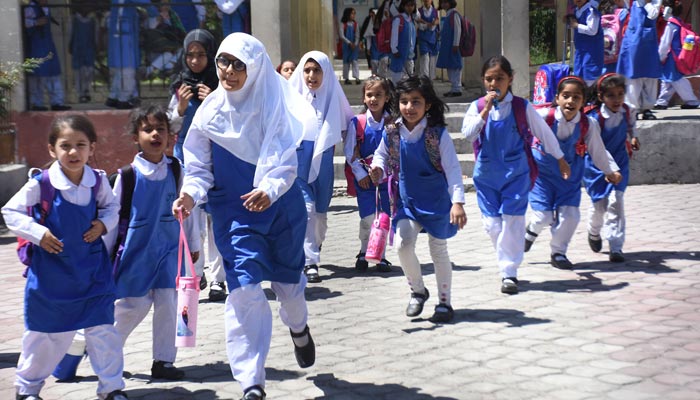
The Translation: Breaking Down the Academic Friction
While the Punjab government intends to shield students from extreme thermal conditions, educators view the three-month gap as a structural disruption. The “Next Gen” clarity here is simple: a 90-day pause in education creates a “retention vacuum.” Dr. Abrar Hussain Malik, President of the All Pakistan Private Schools and Colleges Association, noted that long breaks facilitate non-academic activities and excessive screen time. Therefore, the legal challenge aims to restore a calibrated balance between student safety and educational continuity.
Socio-Economic Impact: What This Means for Pakistani Households
This development affects millions of households, particularly in urban centers where educational competition is high. For the average student, the Punjab summer vacations might lead to a loss of core competencies. Furthermore, for low-income families, extended school closures often correlate with higher dropout rates as children drift toward informal labor markets. The associations propose adjusted school timings as a precision-based alternative to total closure, ensuring the baseline of national literacy remains intact.
The Forward Path: A Momentum Shift in Policy
This conflict represents a Momentum Shift in how educational policy is negotiated in Pakistan. Moving away from blanket closures toward climate-responsive scheduling—such as early morning sessions—demonstrates a shift toward system efficiency. Moreover, the call to allow summer camps for classes nine and ten highlights a strategic need to maintain examination preparation. We view this resistance not as mere defiance, but as a catalyst for a more resilient, data-driven academic calendar that prioritizes student progress over administrative convenience.
- Proposed Vacation Shift: June 1 to August 14.
- Academic Safeguard: Implementation of summer camps for board-exam students.
- Climate Mitigation: Adjusting daily timings during extreme heat instead of full closures.








