
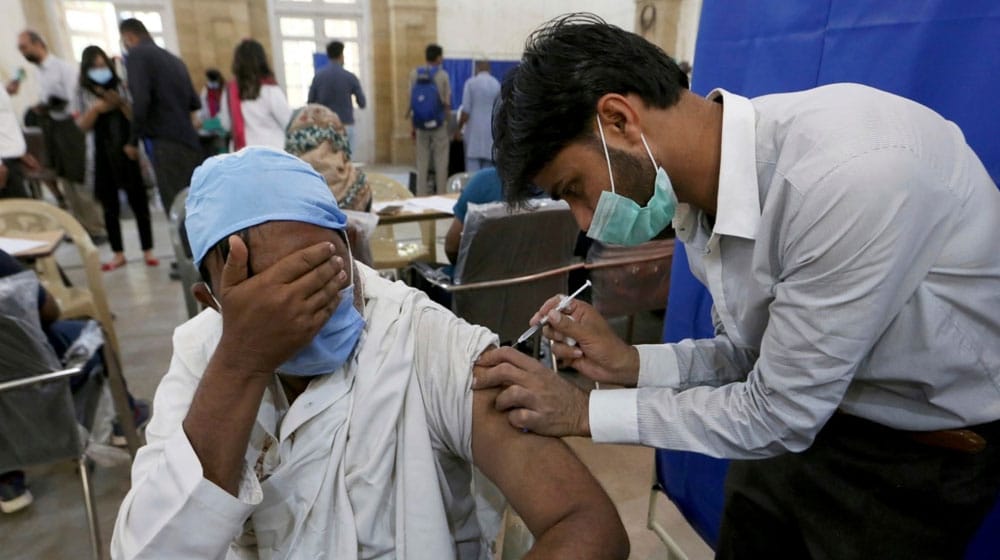
The Khyber Pakhtunkhwa Health Department has launched a calibrated recruitment drive to fill 830 KP vaccinator jobs across various districts. This strategic initiative aims to fortify the Expanded Programme on Immunization (EPI) and enhance the province’s baseline health security. By expanding the frontline workforce, the provincial government seeks to address structural gaps in the current healthcare delivery system.
Strategic Deployment and Recruitment Framework
The Director of Health Services recently issued a formal notification to activate the hiring process. These KP vaccinator jobs will operate on a temporary contract basis for the 2025–26 financial year. Consequently, the provincial government has allocated a dedicated budget of Rs253.16 million to fuel this expansion. Candidates selected for these critical roles will receive a monthly salary of Rs40,000.
To ensure precision and efficiency, the Health Department has instructed all District Health Officers to expedite the hiring cycle. The recruitment follows the Initial Appointment Rules for Civil Servants 2026, maintaining a standardized selection protocol. To facilitate local applicants, the department released a comprehensive district-wise list of vacancies, including:
- District-specific quotas for high-risk regions.
- Allocations based on current immunization coverage gaps.
- Priority zones in remote tribal districts.
The Translation: Contextualizing the Workforce Expansion
While the raw data highlights job numbers, the underlying logic is a systemic recalibration of Pakistan’s polio eradication strategy. By integrating 830 new vaccinators, the Health Department is effectively increasing its “boots on the ground” in regions where accessibility remains a barrier. This move isn’t merely about employment; it is about creating a resilient human infrastructure capable of navigating the complex logistics of vaccine delivery in volatile terrains.
The Socio-Economic Impact: Benefits for Citizens
For the average Pakistani citizen, particularly in Khyber Pakhtunkhwa, this development offers two distinct advantages. First, it provides direct economic relief to over 800 households through stable, government-backed employment during a period of economic fluctuation. Second, for rural families, this signifies improved access to life-saving vaccines at their doorstep. A more robust workforce ensures that polio and other preventable diseases are contained before they reach urban centers, safeguarding the health of the entire nation.
The Forward Path: Architect’s Perspective
This development represents a Momentum Shift for the province. The recent emergence of polio cases in Bannu and North Waziristan indicates that the current system was operating at a deficit. However, the rapid allocation of funds and the use of the 2026 Civil Servant Rules suggest a forward-thinking approach to governance. To achieve a baseline of total eradication, the government must now ensure that this human capital is backed by the security measures required to access currently suspended union councils.








