

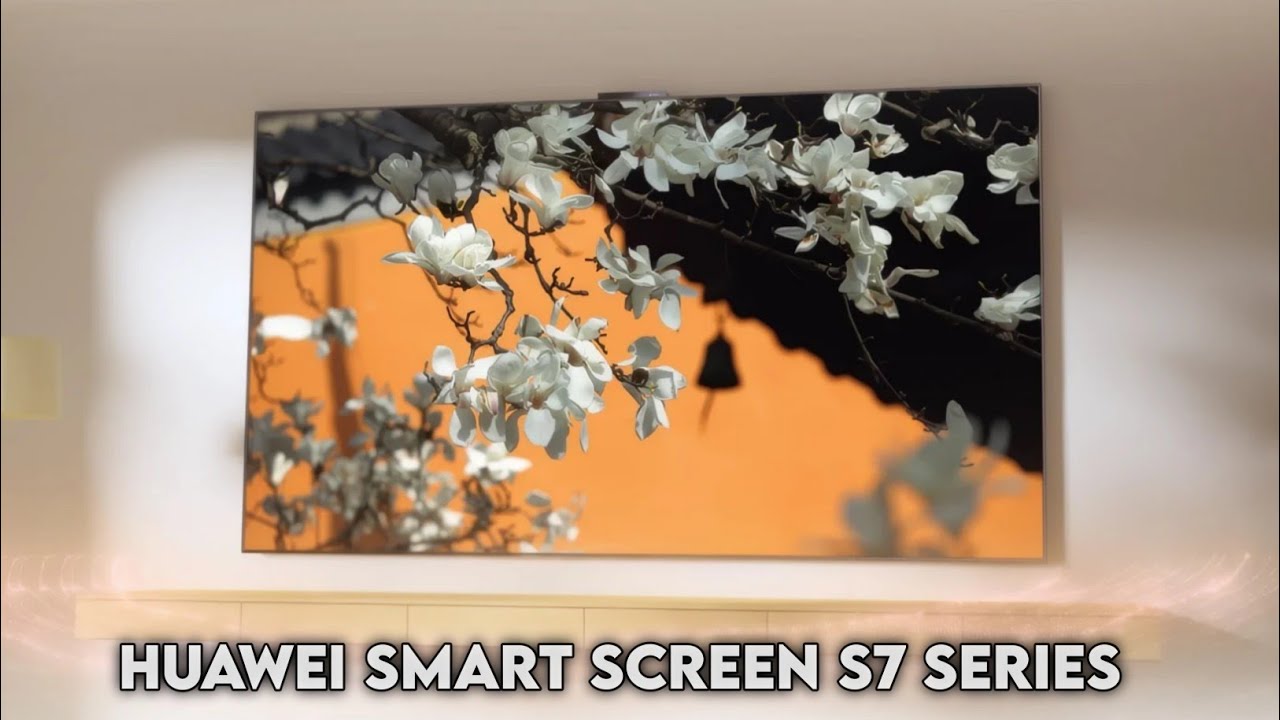
The global digital landscape demands structural efficiency, and the Huawei Smart Screen S7 serves as a calibrated catalyst for this evolution. By integrating Super MiniLED panels with the proprietary HarmonyOS 4.3, Huawei has engineered a display series that bridges the gap between professional-grade monitoring and home entertainment. This lineup, spanning 55 to 98 inches, represents a strategic shift toward high-fidelity visual ecosystems that prioritize both performance and user well-being.
The Translation: Deciphering the MiniLED Advantage
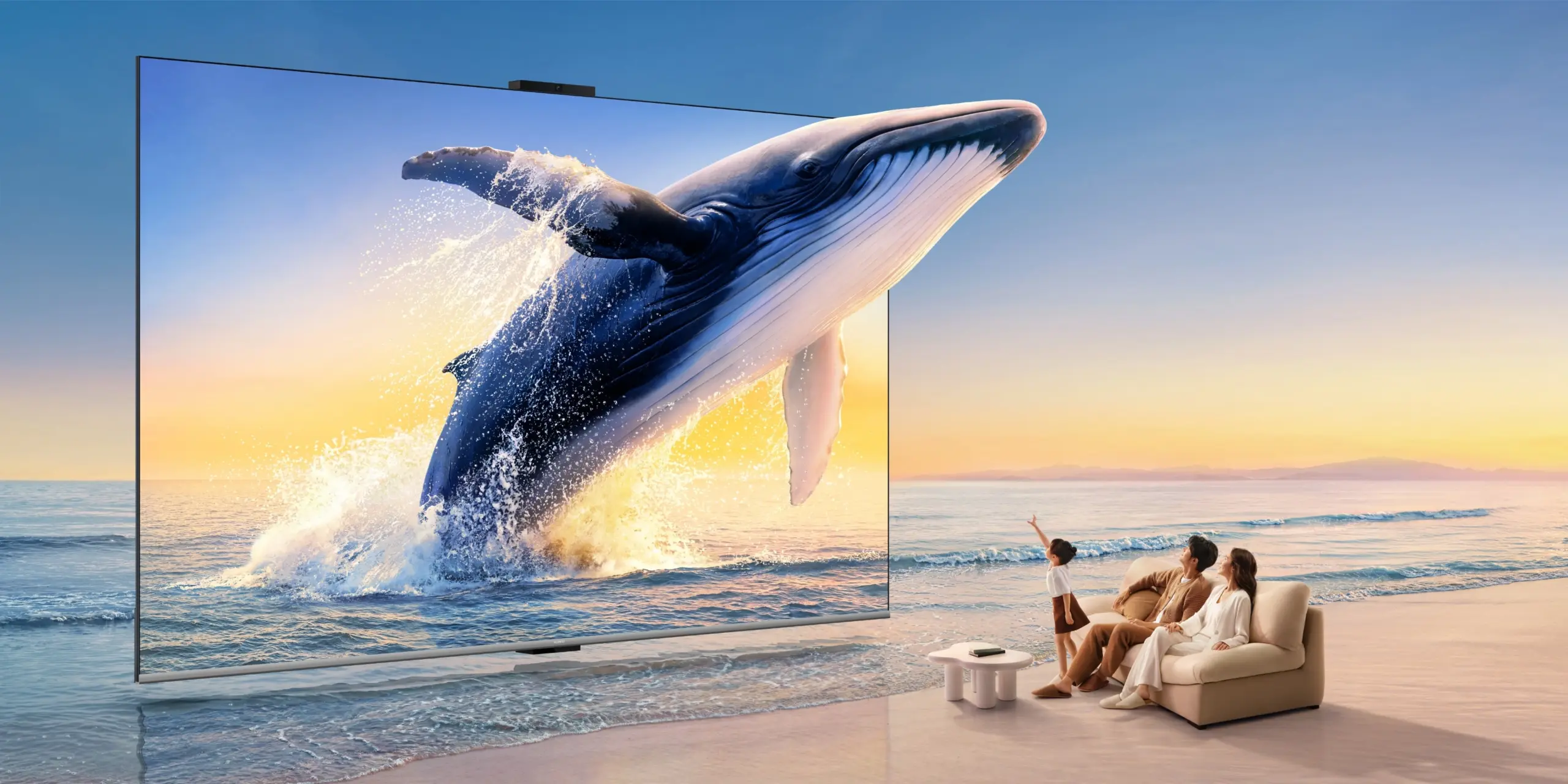
In technical terms, the Huawei Smart Screen S7 utilizes MiniLED backlighting to achieve superior contrast ratios compared to traditional LCDs. While standard screens often struggle with “blooming,” these Super MiniLED panels allow for precision light control. Furthermore, the inclusion of a 300Hz motion enhancement mode ensures that rapid transitions in gaming or cinema remain fluid. Consequently, this technology provides a baseline of clarity that was previously reserved for high-end cinematic monitors.
Calibrated Performance and Display Architecture
The series offers a tiered brightness strategy to ensure optimal performance across various environments. Specifically, the 55-inch and 65-inch models deliver 1,200 nits of peak brightness, while the 75-inch and 85-inch variants scale up to 1,500 nits. The flagship 98-inch model covers 95% of the DCI-P3 color gamut, providing a professional color workspace. Key performance metrics include:
- Refresh Rates: Native 120Hz to 144Hz, with motion enhancement up to 300Hz.
- Processing Power: Equipped with the Honghu chipset and 4GB of RAM.
- Storage Logic: 64GB onboard storage with 2GB virtual RAM allocation.
Strategic Software Integration
Running on HarmonyOS 4.3, the Huawei Smart Screen S7 functions as more than a passive display. It features an 8MP built-in camera that facilitates 1080p video conferencing, secured by a physical privacy shutter. More importantly, the system employs AI-driven posture detection. This feature monitors the viewer’s distance, specifically prompting children to maintain a healthy viewing radius. Such structural safety measures differentiate this hardware from standard consumer electronics.
The Socio-Economic Impact: Empowering the Pakistani Household
For the modern Pakistani citizen, this development signals a shift in digital accessibility. As remote work and online education become structural realities, having a high-performance central hub is essential. The integrated video conferencing and eye-protection features transform the TV from a luxury item into a functional tool for professional growth and academic safety. Furthermore, the competitive $600 starting price point lowers the barrier to entry for high-tier display technology in urban centers like Karachi and Lahore.
The Forward Path: An Architect’s Verdict
The launch of the Huawei Smart Screen S7 represents a Momentum Shift in the display market. By democratizing MiniLED technology and 300Hz refresh rates, Huawei is forcing the industry to recalibrate its baseline standards. This is not merely a maintenance move; it is an aggressive push toward a future where hardware intelligence and visual precision are inextricably linked. We expect this series to serve as a catalyst for local competitors to upgrade their technological offerings.








