
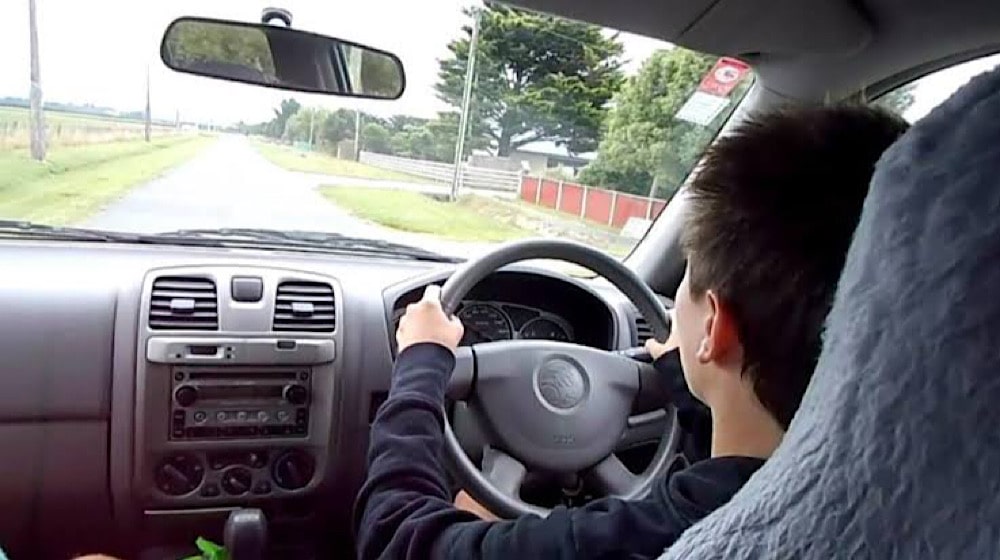
The Lahore traffic crackdown represents a calibrated effort to enforce systemic road safety by targeting underage and unlicensed motorists. Chief Traffic Officer (CTO) Syed Abdul Rahim Shirazi recently initiated this citywide operation to eliminate high-risk driving behaviors through strategic impoundments and significant financial penalties. Consequently, the department aims to establish a baseline of accountability for all road users across the provincial capital.
Precision Enforcement and Penalty Framework
The authorities have established a rigorous fine structure to discourage regulatory non-compliance. Specifically, motorists operating vehicles with learner permits or expired documents face a strategic fine of Rs. 5,000. Meanwhile, motorcycle riders found in violation will receive a fine of Rs. 2,000. Furthermore, the Lahore traffic crackdown includes the immediate impoundment of vehicles driven by minors, which are then shifted to local police stations.
- Underage Driving: Mandatory vehicle impoundment and heavy challans.
- Expired Licenses: Rs. 5,000 fine for cars; Rs. 2,000 for motorcycles.
- Triple Riding: Targeted enforcement against multi-passenger motorcycle violations.
Structural Requirements for Commercial Transit
The CTO emphasized that precision in licensing is non-negotiable for public safety. Therefore, commercial vehicles can no longer be operated using standard car or motorcycle licenses. A Public Service Vehicle (PSV) license is now a mandatory requirement for buses, wagons, and other public transport units. Similarly, drivers of heavy machinery, including trucks and trailers, must possess a validated Heavy Transport Vehicle (HTV) license to operate within city limits.
Accessible Systems and Digital Integration
To facilitate compliance, all license offices in Lahore remained operational during recent holidays. The department established special checking points outside these offices to proactively identify motorists lacking valid documentation. Additionally, the Traffic Police have integrated online facilities for learner permits, duplicate licenses, and renewals. This digital pivot ensures that the public can rectify their status with maximum efficiency and minimal friction.
The current infrastructure supporting this initiative includes:
- 11 Fixed driving testing centers.
- 2 Mobile testing units for localized access.
- 20 Facilitation centers distributed across the urban grid.
The Situation Room Analysis
The Translation (Clear Context)
This initiative is not merely a punitive measure; it is a structural realignment of urban mobility. By enforcing specific license tiers (PSV/HTV), the state is ensuring that individuals operating high-mass or high-occupancy vehicles possess the calibrated skills required for such tasks. The logic is simple: specialized roles require specialized certification to mitigate systemic risk.
The Socio-Economic Impact
For the average Pakistani household, this crackdown reduces the probability of catastrophic accidents caused by untrained operators. While the immediate financial penalties may seem a burden, the long-term impact is a reduction in medical costs and insurance liabilities. For professionals, it standardizes the transport industry, rewarding those who invest in proper certification with a safer working environment.
The Forward Path (Opinion)
This development represents a Momentum Shift. By combining strict roadside enforcement with accessible digital renewal systems, the Lahore Traffic Police are moving beyond reactive policing. They are building a proactive safety culture. If sustained, this strategic pressure will catalyze a permanent change in Pakistani driving habits, shifting the national baseline from “informal driving” to “certified competence.”








