The England and Wales Cricket Board (ECB) has officially suspended all England-Afghanistan bilateral cricket fixtures outside of ICC-mandated tournaments. This strategic baseline prioritizes human rights over sporting calendars, specifically citing the structural exclusion of women and girls from public life and athletic participation. Richard Thompson, the ECB Chairperson, confirmed this posture as a calibrated response to the systemic barriers facing Afghan athletes. Consequently, the ECB will only engage with the Afghanistan national team during multi-team ICC events to avoid potential regulatory sanctions.
Strategic Discretion in International Sports
While the ICC working group recently proposed greater flexibility for boards to schedule Test matches, the ECB plans to use this discretion to maintain its boycott. Richard Thompson previously faced intense pressure from 160 Members of Parliament to withdraw from matches. However, the board fulfilled its Champions Trophy obligations last year solely because it was an ICC event. Moving forward, the ECB remains firm that no bilateral Test series will occur in the foreseeable future.
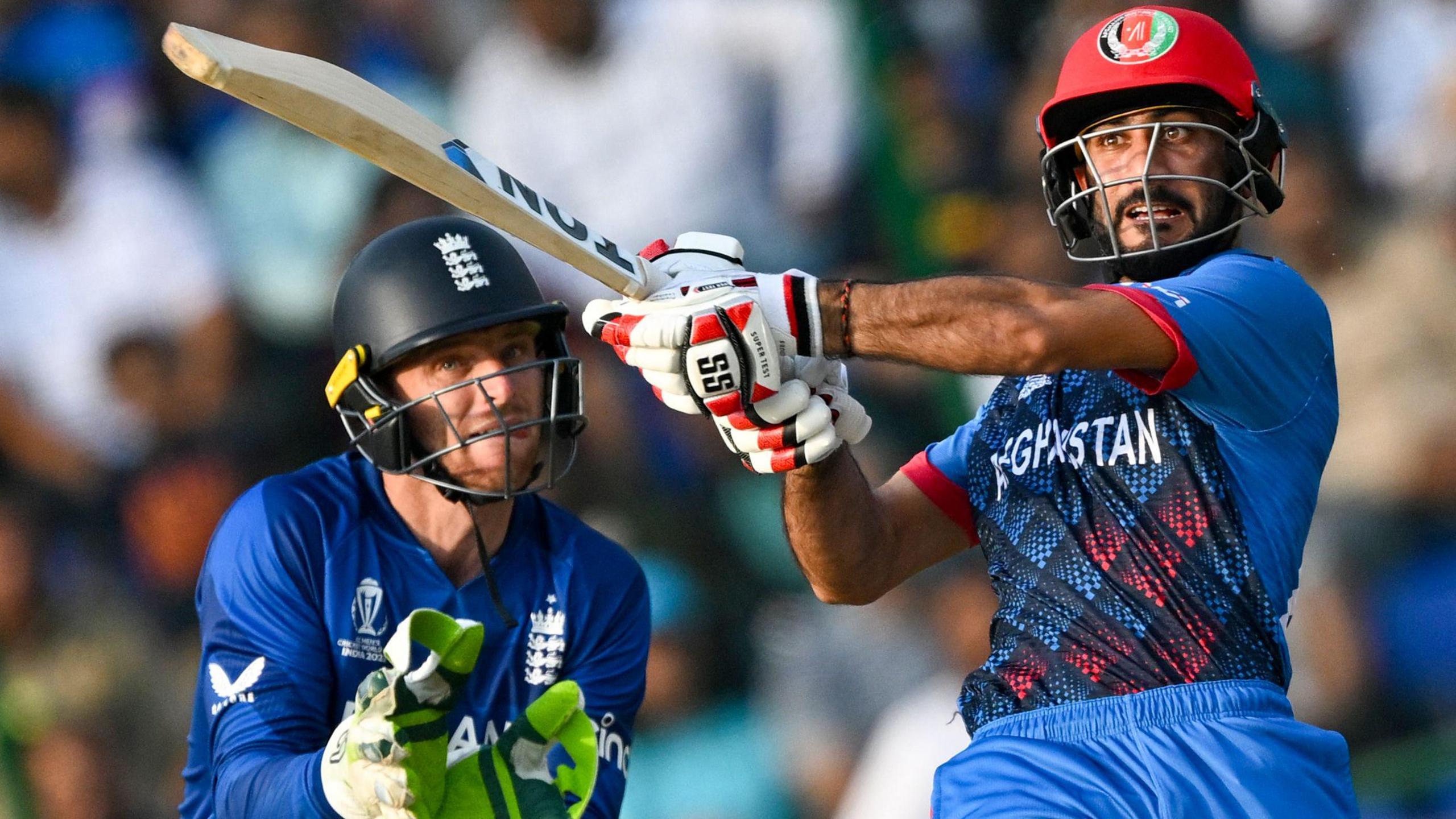
The Translation: Contextualizing the Boycott
To understand this development, we must distinguish between “Bilateral Series” and “ICC Events.” Bilateral series are private contracts between two cricket boards. In contrast, ICC events are global properties managed by the sport’s governing body. By refusing bilateral England-Afghanistan bilateral cricket, the ECB exerts financial and diplomatic pressure without violating the participation agreements that govern World Cups. This precision-based approach allows the ECB to uphold its ethical standards while avoiding the legal penalties associated with a total boycott.
The Socio-Economic Impact
This decision impacts the regional sports economy, particularly for Pakistani fans and professionals who often facilitate these matches. For the average household, this development represents a catalyst for broader conversations about inclusivity in sports. It creates a baseline where athletic prowess no longer operates in a vacuum, isolated from social policy. While Afghan players lose high-profile exposure, the stance serves as a structural reminder that international participation requires adherence to universal standards of equity.
The Forward Path: A Momentum Shift
This development represents a clear Momentum Shift in sports governance. The ECB is no longer treating gender equality as a secondary concern; instead, it is now a primary requirement for bilateral engagement. This strategic alignment may force the ICC to re-evaluate its baseline criteria for full membership status. We expect other Western boards to calibrate their schedules similarly, potentially creating a new era where social metrics are as vital as stadium revenue.