The architecture of Pakistan’s economy requires a calibrated digital foundation to compete in the modern global marketplace. Consequently, the recent Memorandum of Understanding between Pakistan Single Window (PSW) and the Trade Development Authority of Pakistan (TDAP) serves as a strategic catalyst for this Digital Trade Transformation. By integrating technical infrastructure with trade facilitation expertise, the state is building a high-velocity framework for national export growth.
Architecting a Digital Trade Transformation
As the lead entity for digital reform, PSW will integrate TDAP’s Pakistan Trade Portal and Exporters Directory into its broader ecosystem. This integration ensures that traders gain real-time access to critical information, effectively dismantling the friction of manual procedures. Furthermore, TDAP will utilize its expansive regional network to identify stakeholders who can benefit from these structural reforms.
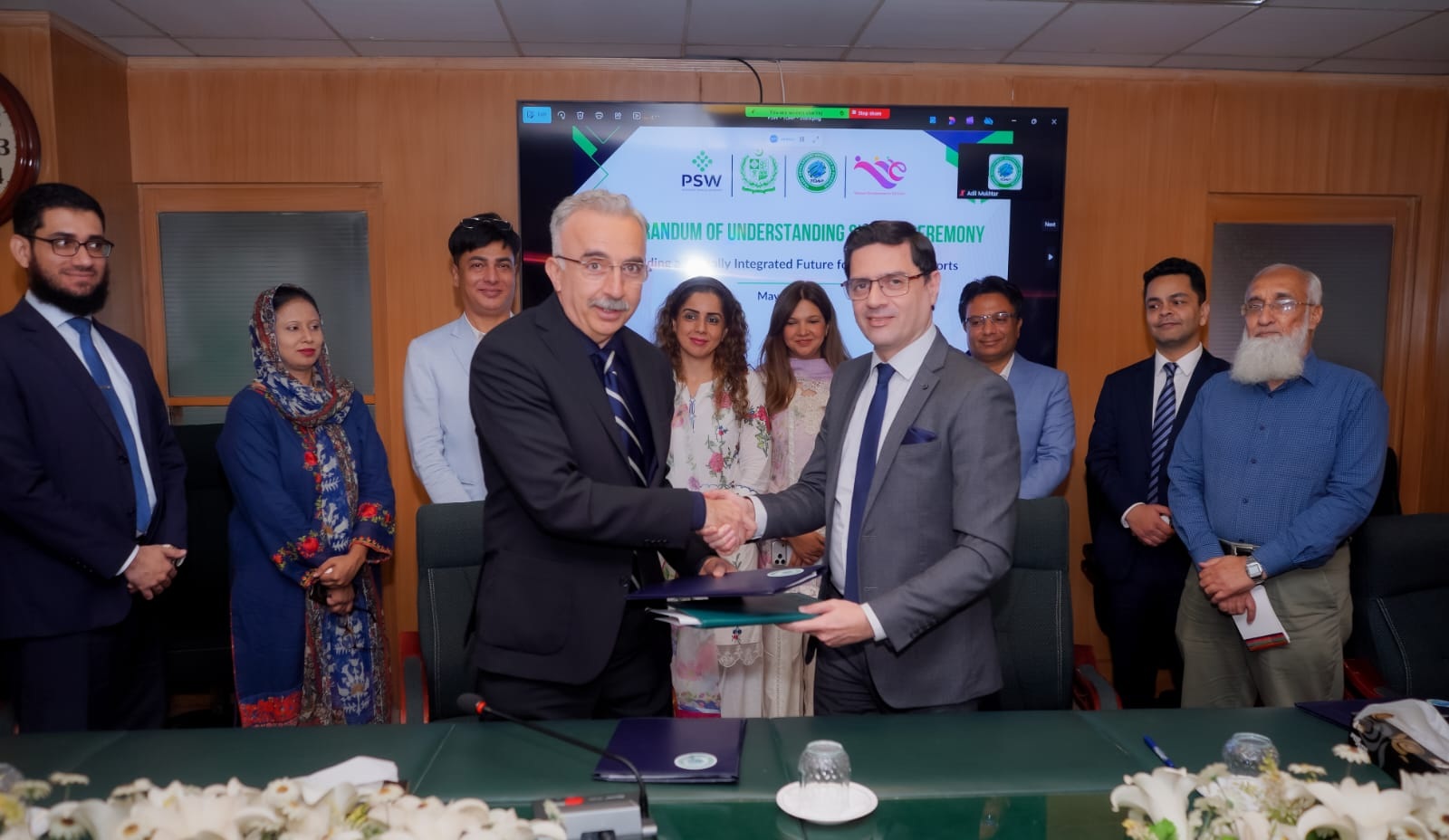
The collaboration prioritizes data-driven decision-making. Both organizations will engage in secure trade data collaboration to support precise market analysis and evidence-based policy formulation. Additionally, they will develop export-ready toolkits and compliance checklists specifically designed to help small and medium enterprises (SMEs) navigate complex global requirements.
Structural Inclusion: Focus on Gender-Responsive Trade
A significant component of this agreement is the emphasis on gender-responsive trade facilitation. PSW and TDAP are coordinating efforts to enhance the digital inclusion of women-led enterprises. Specifically, entrepreneurs from the WTO Award-winning Khadijah Women Entrepreneurship Program will receive priority support to participate in international exhibitions and delegations managed under TDAP’s annual business plan.
The Translation
In technical terms, this MoU represents the “interoperability” of state systems. Instead of separate silos for trade promotion (TDAP) and trade regulation (PSW), the government is creating a unified digital highway. This means an exporter no longer needs to provide the same data to multiple agencies. The system now recognizes the user across platforms, creating a “Single Source of Truth” for Pakistani trade data.
The Socio-Economic Impact
For the average Pakistani professional and household, this shift reduces the “cost of doing business” at a systemic level. Streamlined digital modules translate to lower administrative overhead for local SMEs, which are the backbone of job creation. By empowering women entrepreneurs through digital inclusion, the initiative directly expands the economic footprint of households in both urban and rural Pakistan.
The Forward Path
This development represents a Momentum Shift. While many administrative updates are merely stabilization moves, the integration of real-time data analytics and paperless trade tools indicates a structural upgrade. To maintain this trajectory, the focus must now shift toward rapid provincial deployment and ensuring that the SME sector is fully trained on these new digital modules.