

The Punjab Disaster Management Authority (PDMA) has calibrated a high-alert warning regarding Punjab temperature and rain patterns for May, June, and July. Meteorological data indicates that the province will face a volatile combination of extreme heatwaves and above-normal precipitation. Consequently, these environmental shifts necessitate a precise, multi-sectoral response to safeguard infrastructure and public safety. The PDMA has already signaled divisional commissioners and emergency services to initiate advanced structural preparedness.
The Climate Calibration: Understanding the 3-Month Outlook
According to the seasonal weather baseline, northern and north-western Punjab will likely receive rainfall exceeding historical averages. Conversely, eastern districts may experience a slight deficit, while central regions maintain near-normal levels. This atmospheric variance creates a complex risk profile. Furthermore, the authority identified a specific heatwave window from May 7 to 11, where temperatures will deviate significantly above the norm. Such spikes often act as a catalyst for severe dust storms and hailstorms, which threaten the stability of seasonal crops and orchards.
Emergency Response and Structural Readiness
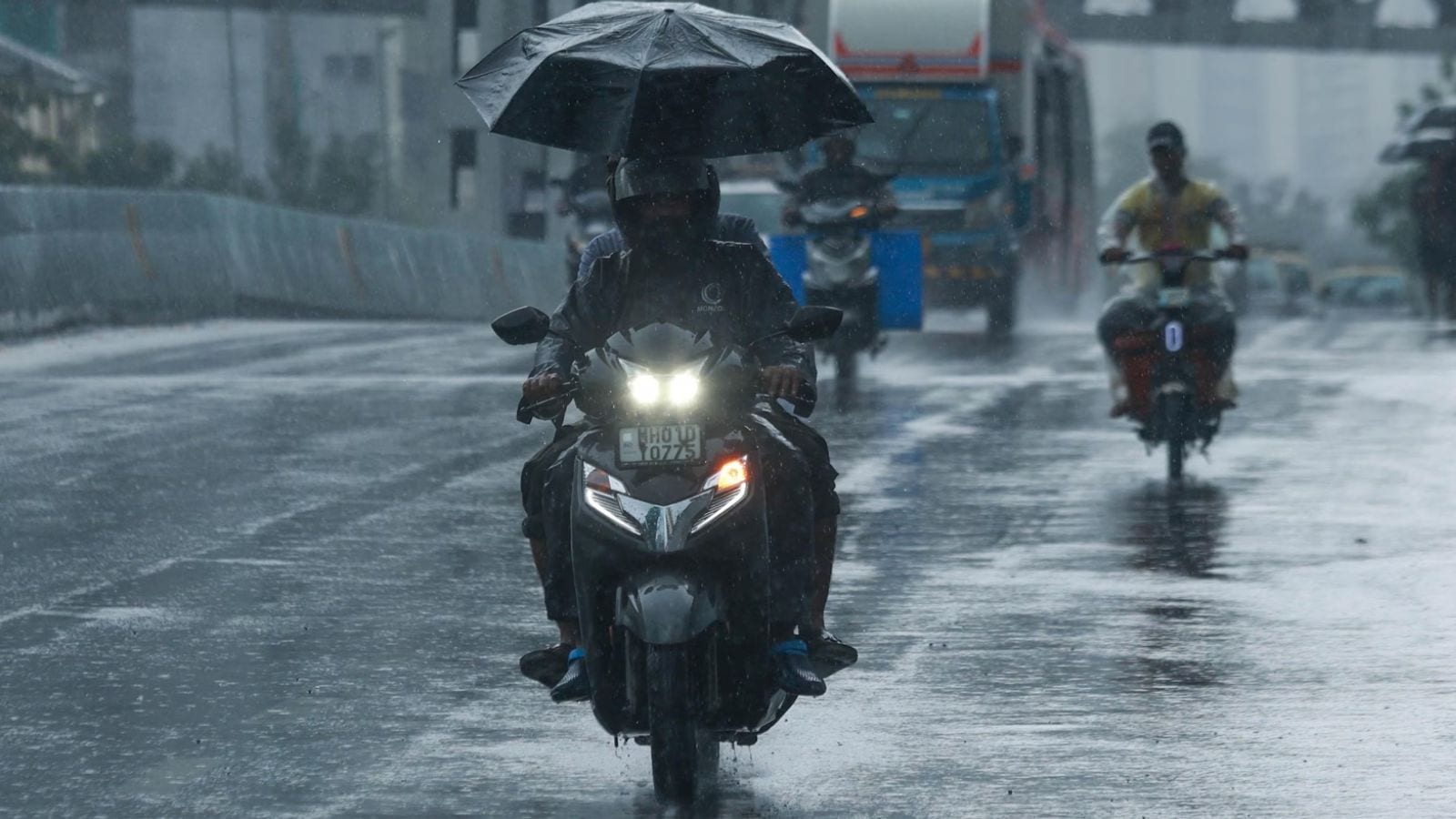
Following directives from Punjab Chief Minister Maryam Nawaz, the PDMA has integrated Rescue 1122 and WASA into a unified emergency grid. These agencies are currently auditing drainage systems to mitigate the risk of urban flooding in low-lying areas. Simultaneously, the health department is monitoring the southern districts for a potential surge in vector-borne diseases like dengue, as rising humidity and heat create optimal breeding conditions.
The Situation Room Analysis
The Translation (Clear Context)
The current forecast represents a “thermal-pluvial” imbalance. In simpler terms, the heat is intensifying faster than the cooling effect of the rain can compensate. This creates a “pressure cooker” effect where rapid evaporation leads to sudden, violent urban flooding rather than steady irrigation. The PDMA’s warnings aren’t just about weather; they are about the systemic stress on our energy grids, water management, and agricultural cycles.
The Socio-Economic Impact
This weather shift directly impacts the daily baseline of every Pakistani. For the urban professional, it means increased energy costs and potential transport disruptions due to flooded roads. For the rural farmer, the Punjab temperature and rain volatility threatens the harvest of vegetables and fruit, potentially driving up food inflation. Furthermore, the elderly and children face heightened physiological stress from heat spikes, requiring more robust community care systems.
The Forward Path (Opinion)
This development represents a Momentum Shift in regional climate patterns. We are no longer observing seasonal fluctuations but a structural change in weather intensity. While the PDMA’s proactive alerts demonstrate improved system efficiency, the long-term solution requires a “Climate-Resilient Infrastructure” overhaul. We must move beyond reactive emergency measures toward a baseline of architectural and agricultural adaptation.








