
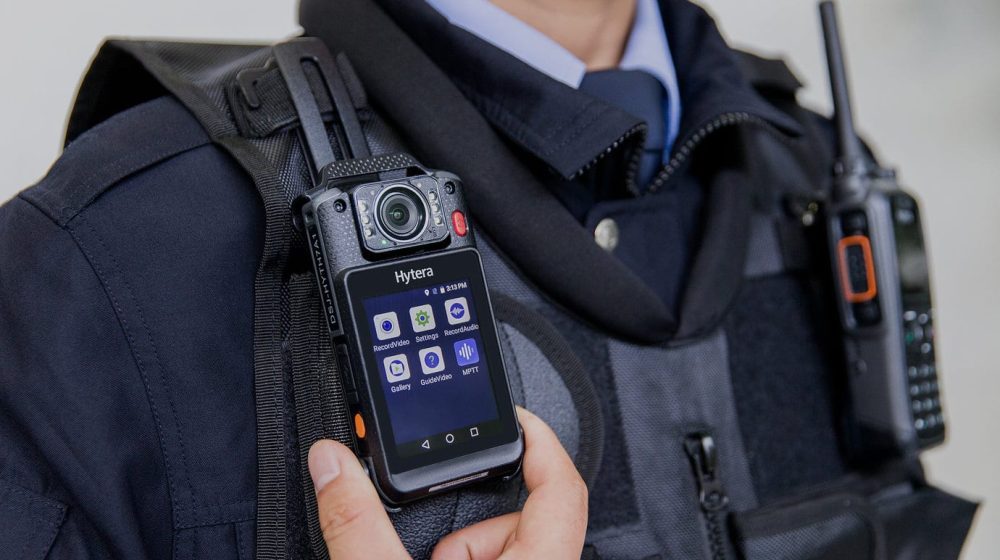
Punjab Chief Minister Maryam Nawaz has initiated a calibrated crackdown on administrative corruption by mandating the use of PERA bodycams for all field personnel. This strategic directive aims to eliminate bribery, unlawful operations, and public harassment within the Punjab Enforcement and Regulator Authority (Pera). Consequently, the provincial leadership has established a hard deadline of June 30, 2026, for the complete integration of surveillance technology across all field operations.
Restoring Public Trust with PERA Bodycams
The Chief Minister’s decision responds directly to a baseline of growing public complaints regarding predatory behavior by enforcement officers. During a high-level performance review, she ordered the immediate scrutiny of 4,000 active personnel to filter out individuals with questionable reputations. Furthermore, Nawaz warned that any official found engaging in illegal activities will face severe legal consequences, including potential prison sentences of up to three years.

Structural reforms within the authority include the deployment of a centralized 360-degree dashboard system. This technological catalyst allows for the real-time monitoring of officers, ensuring that anti-encroachment and price control operations remain within legal boundaries. Additionally, the government is strengthening internal intelligence and whistleblower frameworks to detect systemic failures before they impact the public.
Scalability and Personnel Management
Pera currently manages 4,711 filled positions out of an 8,000-post baseline. Recruitment for an additional 7,000 personnel is underway, with completion expected by the end of June. Maryam Nawaz emphasized that while honest officers should remain fearless, the corrupt must prepare for precision-targeted disciplinary actions. Already, 1,356 inquiries into disciplinary violations have led to punishments for 304 personnel, signaling a momentum shift toward higher accountability standards.
The Situation Room Analysis
The Translation
In technical terms, the deployment of PERA bodycams represents a shift from “analog oversight” to “digital verification.” By removing the ambiguity of face-to-face interactions between officers and citizens, the government creates an immutable digital trail. This logic ensures that enforcement actions are based on legal protocols rather than personal discretion or predatory incentives.
The Socio-Economic Impact
For the average Pakistani citizen—particularly small-scale vendors and shopkeepers—this development serves as a safeguard against extortion. When price control operations are transparent, it stabilizes the local marketplace and protects household budgets from artificial inflation. Effectively, this tech-driven oversight reduces the “corruption tax” that often burdens urban and rural commerce, fostering a more predictable economic environment.
The “Forward Path” (Opinion)
This initiative represents a significant Momentum Shift. While critics argue that PERA overlaps with existing institutions, the introduction of bodycam-integrated enforcement sets a new technological standard for all provincial departments. If Punjab successfully scales this surveillance architecture by 2026, it will provide a precision-engineered blueprint for national administrative reform.








