The latest financial disclosures reveal a record-breaking Emirates Group Profit of AED 24.4 billion (US$ 6.6 billion) for the 2025-26 period. This performance represents a calibrated response to a volatile global landscape, marking a 7% increase in profit before tax despite significant regional disruptions. Consequently, the Group has solidified its baseline as a global aviation powerhouse, maintaining a high-density operational efficiency that few competitors can match.
Strategic Architecture: The Logic Behind the Numbers
Precision engineering isn’t just for aircraft; it is the foundation of the Emirates business model. The Group reported record revenue of AED 150.5 billion, while cash assets surged by 12% to reach AED 59.6 billion. Furthermore, the airline division alone captured a record profit before tax of AED 22.8 billion. These metrics demonstrate a structural resilience that successfully navigated the military activity in the Gulf which disrupted traffic in February 2026.
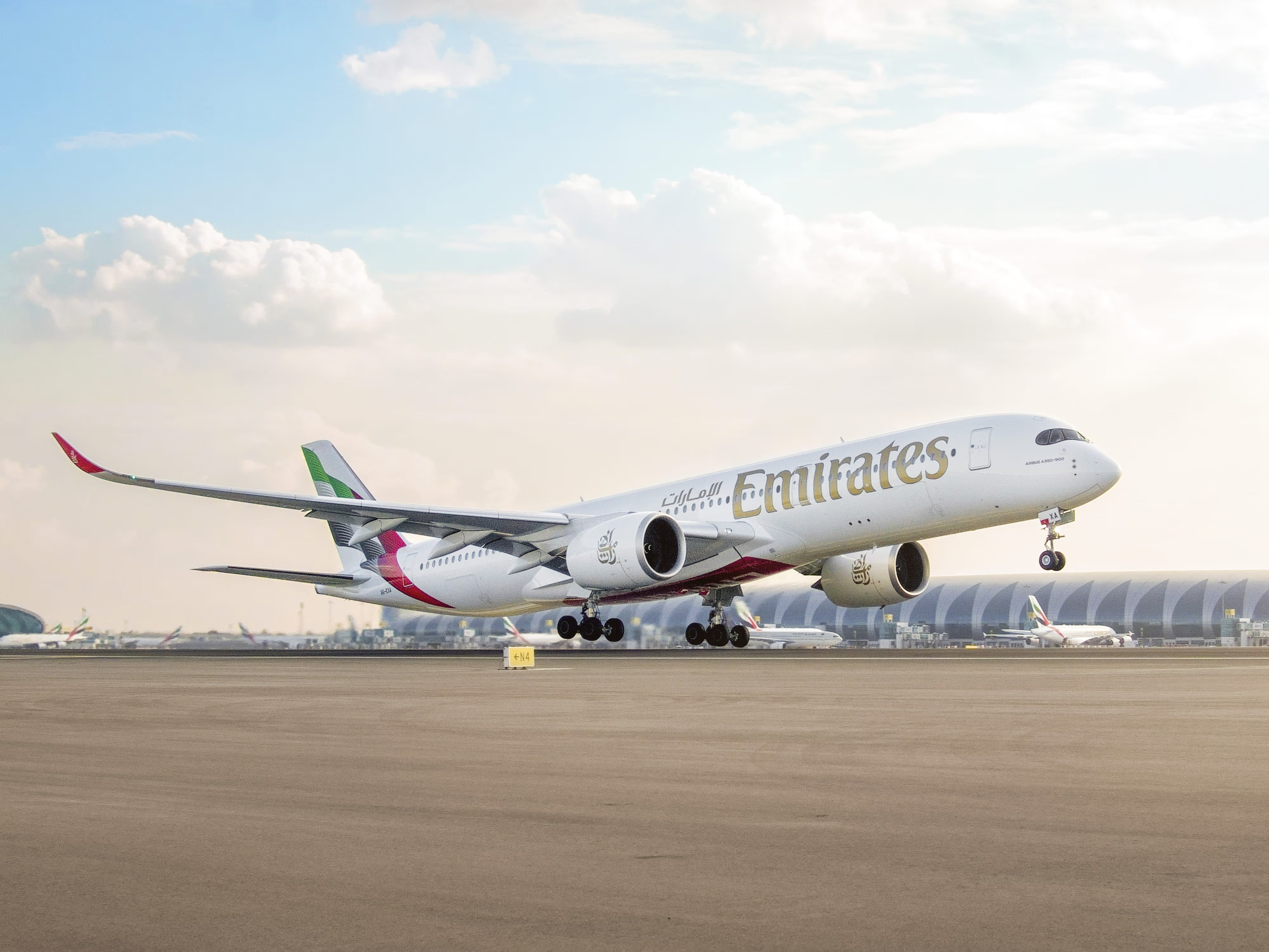
dnata: Diversified Efficiency
The dnata division acted as a strategic catalyst for the Group, reporting a record revenue of AED 23.6 billion. This 12% growth stems from increased international flight activity and expanded catering operations. Although the transition to a 15% UAE corporate tax rate impacted net margins, the underlying EBITDA of AED 41.1 billion reflects a robust operating framework. dnata now handles over 888,000 aircraft turns globally, proving its systemic importance to the aviation ecosystem.

The Situation Room: Internal Analysis
The Translation (Clear Context)
Beyond the raw data, the Emirates Group Profit reflects a successful adaptation to “Pillar Two” global tax rules. By moving from a 9% to a 15% corporate tax rate, the Group has aligned with international fiscal standards without compromising its growth trajectory. The “disruption” mentioned in the report refers to a strategic pivot; when military activity closed air corridors, the Group utilized Dubai’s cohesive aviation ecosystem to secure safe routes, maintaining cargo flow for essential goods while passenger capacity was recalibrated.
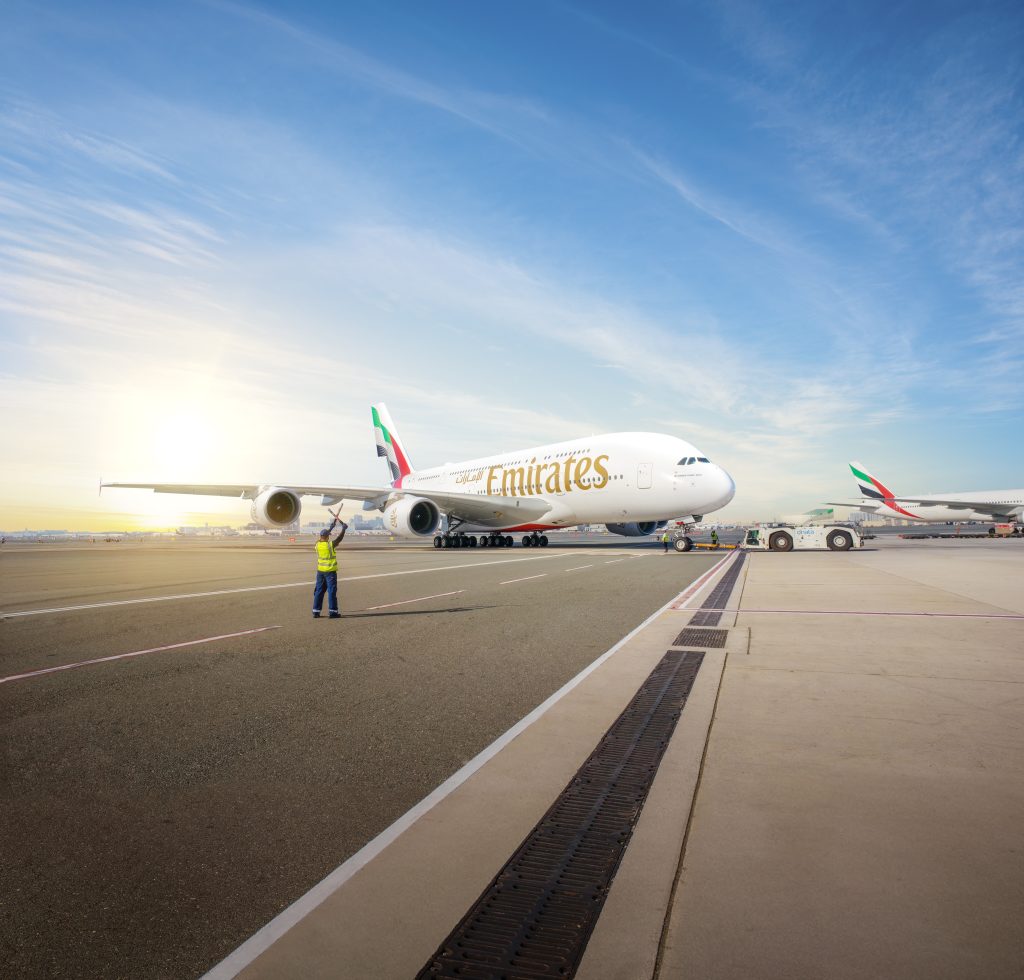
The Socio-Economic Impact
How does this profit surge affect the average citizen? For Pakistanis and global travelers, this financial stability ensures continued investment in fleet modernization and route connectivity. The Group invested AED 17.9 billion in new technologies and aircraft, which translates to better safety standards and more efficient travel links for the 130,000+ employees and millions of passengers. Moreover, the growth of the workforce to over 130,000 creates a massive global talent vacuum that benefits skilled professionals across the region.
The Forward Path (Opinion)
This development represents a Momentum Shift. Emirates is no longer just recovering from previous global shocks; it is setting a new baseline for what a state-backed, yet commercially disciplined, entity can achieve. By increasing its workforce by 8% and surpassing 4,000 UAE national employees, the Group is building a sustainable human capital engine. We expect this trajectory to drive further system efficiency across the Middle East’s transit corridors, cementing Dubai’s role as the world’s primary logistics hub.