

In a strategic move to recalibrate its global supply chain, Apple has initiated preliminary discussions with Intel and Samsung to manufacture Apple device chips. This calibrated shift aims to reduce the tech giant’s historical reliance on TSMC. Consequently, Apple is exploring structural alternatives to mitigate geopolitical risks and enhance system efficiency across its entire hardware baseline.

The Strategic Shift in Semiconductor Logistics
For over a decade, Apple has relied exclusively on TSMC to produce the sophisticated system-on-chips found in iPhones, iPads, and Macs. However, the current geopolitical landscape and manufacturing constraints have forced a revision of this single-source strategy. Specifically, CEO Tim Cook recently acknowledged that Apple currently possesses less supply chain flexibility than the market demands.
Several catalysts are driving this diversification effort:
- Geopolitical Risk: Heavy concentration of production in Taiwan poses potential disruption threats.
- System Capacity: Global manufacturing is increasingly shifting toward high-demand AI-related products.
- Logistical Precision: Apple aims to localise production, with a goal of manufacturing 100 million chips in the US by 2026.
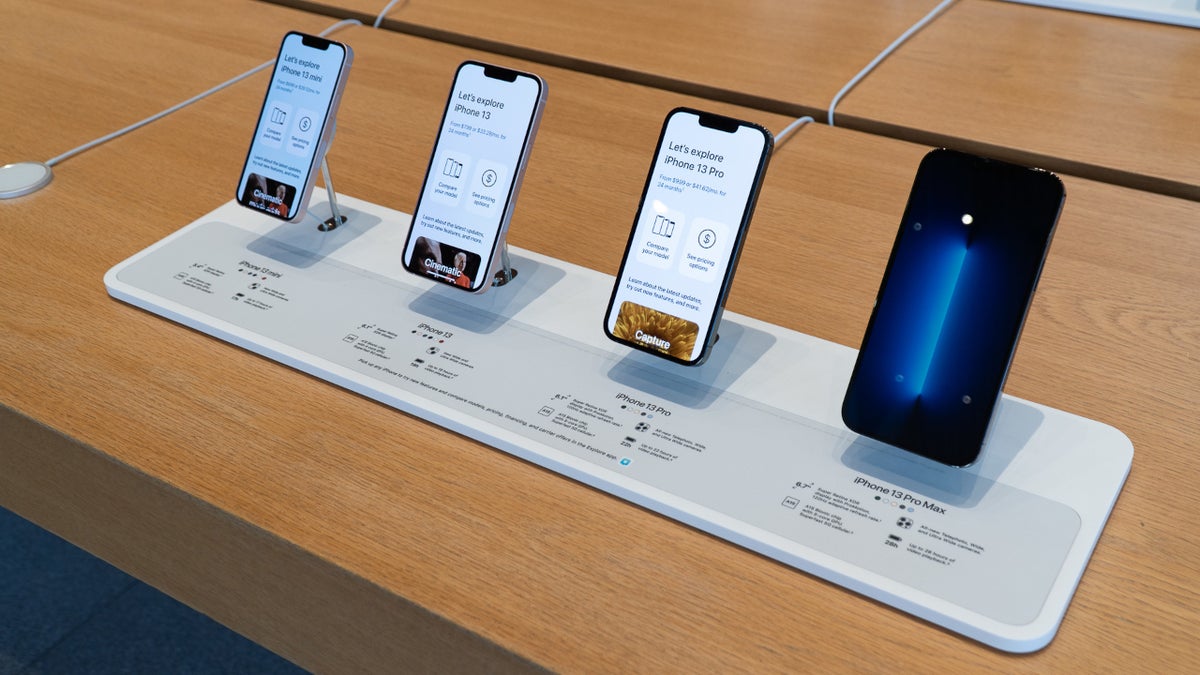
Intel and Samsung: Precision Apple Device Chips
While TSMC remains the leader in advanced semiconductor nodes, both Intel and Samsung are aggressively pursuing technical parity. Apple has reportedly evaluated Intel’s upcoming 14A process for potential integration into non-Pro iPhone models by 2028. Simultaneously, Samsung has showcased progress with its 2nm mobile chip architecture, positioning itself as a viable secondary catalyst for Apple’s hardware roadmap.
Furthermore, securing Apple as a high-volume client would represent a major structural victory for Intel. This follows the US government’s strategic $8.9 billion investment in the company. Despite these talks, Apple maintains high efficiency standards; any potential transition would likely occur after 2027 to ensure production yields meet their strict precision requirements.
The Situation Room Analysis
The Translation (Clear Context)
In “Next Gen” terms, Apple is moving from a “monolithic” supply chain to a “distributed” model. By engaging Intel and Samsung, Apple is not just buying chips; they are buying insurance against regional instability and manufacturing bottlenecks. It is a strategic move to ensure that one single point of failure cannot halt their global product distribution.

The Socio-Economic Impact
For the Pakistani citizen, this global shift signals a move toward more stable tech pricing and availability. As Apple diversifies, the risk of “chip shortages” that drive up the cost of imported electronics diminishes. Furthermore, for STEM students in Pakistan, this highlights the critical importance of semiconductor engineering as the ultimate geopolitical currency of the 21st century.
The Forward Path (Opinion)
This development represents a Momentum Shift. While Apple remains cautious about moving away from TSMC’s proven yields, the mere act of validating Intel and Samsung’s facilities creates a competitive environment that drives innovation. This is a strategic play for long-term dominance, ensuring the “Apple Ecosystem” remains insulated from external shocks.
.jpg)








