
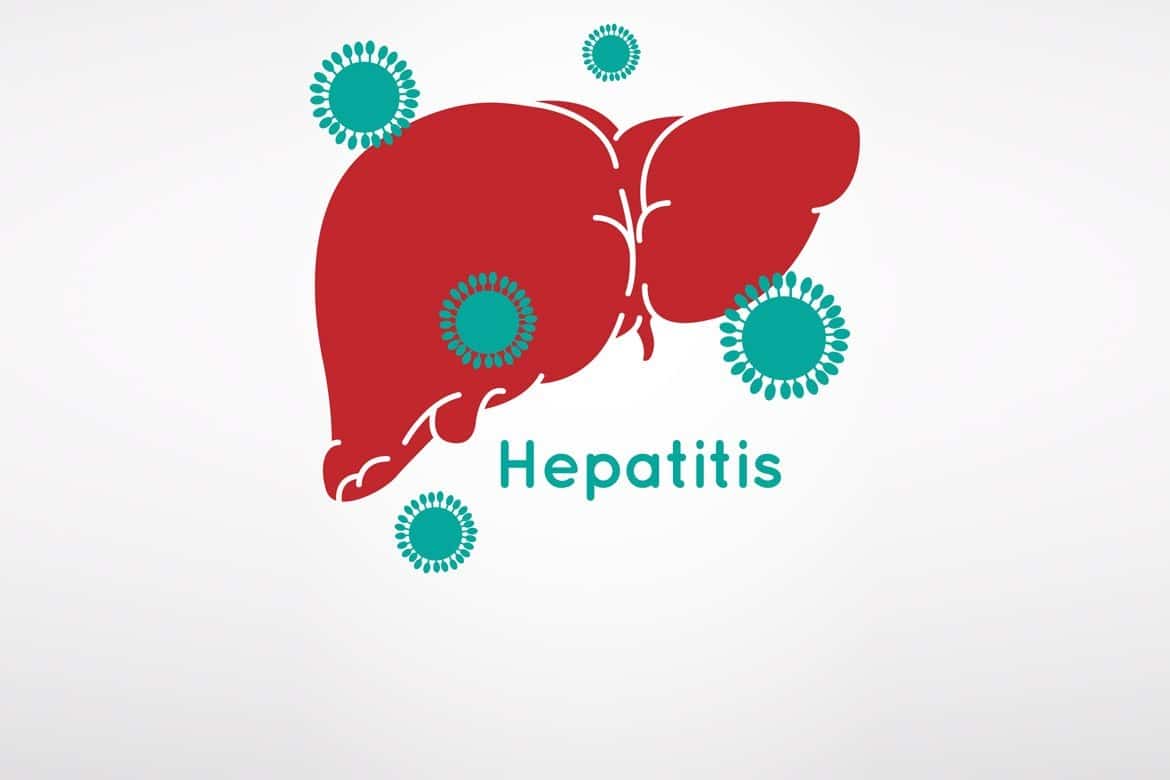
Pakistan is calibrating its public health infrastructure to neutralize a systemic threat. Federal Minister for National Health Services, Mustafa Kamal, recently announced the establishment of 21 Hepatitis C diagnostic counters across Islamabad, Gilgit-Baltistan (GB), and Azad Jammu & Kashmir (AJK). This strategic rollout serves as a structural catalyst for a national elimination strategy, aiming to provide immediate relief to over 10 million affected citizens.
The Situation Room: Strategic Analysis
The Translation
Beyond the administrative announcement, this move represents a shift from passive observation to active intervention. By setting up dedicated Hepatitis C diagnostic counters, the government is decentralizing the screening process. Consequently, this reduces the bottleneck at major federal hospitals. The integration of PCR testing and free treatment ensures that the diagnosis-to-recovery pipeline is streamlined, removing the financial barriers that often prevent lower-income households from seeking care.
The Socio-Economic Impact
The burden of Hepatitis C in Pakistan is not merely a medical issue; it is an economic one. Chronic illness often leads to a decrease in workforce productivity and an increase in household debt due to medical expenses. Specifically, for citizens in rural GB and AJK, these local diagnostic counters save significant travel costs and time. By providing free treatment, the state is effectively protecting the disposable income of thousands of families, allowing them to redirect resources toward education and nutrition.
The Forward Path (Expert Opinion)
This development represents a Momentum Shift. While Pakistan has long struggled with high disease prevalence, the commitment to a phase-wise expansion—reaching over 1,700 facilities eventually—indicates a transition toward systemic efficiency. If the government maintains its commitment to the 2030 elimination goal, we are looking at a significantly more resilient national health baseline.
Phase-Wise Rollout and Implementation

The initial phase focuses on immediate operational readiness. Federal Minister Mustafa Kamal has directed that 12 counters in Islamabad become operational within the coming week. The distribution for the first phase includes:
- Islamabad: Multiple counters at PIMS, Polyclinic, NIRM, and CDA health centers.
- Gilgit-Baltistan: 6 dedicated diagnostic counters.
- Azad Jammu & Kashmir: 3 primary counters.
Furthermore, the second phase will scale the initiative exponentially. This expansion will cover 84 facilities in the capital, 618 in GB, and over 1,000 in AJK. To ensure precision, the National Institute of Health (NIH) and NADRA will coordinate to maintain a centralized data baseline for patient tracking.
Systemic Oversight and Logistics
Precision in logistics is critical for success. The Minister emphasized that screening kits and essential supplies must be calibrated for timely provision. Moreover, a “soft launch” approach in Islamabad will allow for the optimization of diagnostic protocols before the full-scale national deployment. Ultimately, protecting human lives through structural healthcare reform remains the primary objective of this national cause.








