

A nation’s baseline for progress is determined by the cognitive and emotional architecture of its youth. Consequently, the Government of Pakistan has strategically integrated Social-Emotional Learning (SEL) into the national school curricula. This nationwide initiative synchronizes academic excellence with psychological resilience, ensuring that students develop into balanced, high-functioning citizens.
The Situation Room: Analysis of the SEL Framework
The Translation (Clear Context)
In traditional systems, education often prioritizes rote memorization over functional intelligence. This program recalibrates that dynamic by introducing “The Hardware of the Mind.” Specifically, Social-Emotional Learning teaches students how to manage their internal biological responses to stress and social friction. By partnering with Right To Play, the Ministry of Federal Education is moving from a passive teaching model to an active, precision-based development model.
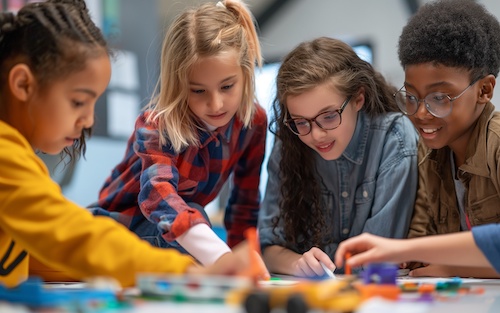
Strategic Implementation of Social-Emotional Learning
The Ministry has calibrated this program to deliver 25 specialized lesson plans per grade. These modules target precise behavioral outcomes. Specifically, the curriculum focuses on four architectural pillars:
- Emotional Regulation: Developing the capacity to maintain focus under pressure.
- Empathy: Enhancing the ability to navigate diverse social environments.
- Teamwork: Building the collaborative foundations necessary for a modern workforce.
- Problem-Solving: Using logic to navigate complex social and academic challenges.
Furthermore, teachers will undergo rigorous training to transform classrooms into supportive environments that foster these specific skill sets.

Long-Term Structural Impact
The Socio-Economic Impact
This initiative represents a catalyst for societal stability. On a household level, Pakistani families will see students who are more disciplined and resilient. Economically, this translates into a future workforce capable of complex collaboration and leadership. By reducing the “emotional friction” in schools, we effectively lower the long-term costs of mental health issues and social conflict in urban and rural centers alike.
The “Forward Path” (Opinion)
This development is a definitive Momentum Shift. While Pakistan has historically struggled with curriculum modernization, the inclusion of Social-Emotional Learning suggests a move toward a high-efficiency system. We are no longer just producing students; we are engineering individuals capable of leading the next generation. The precision of this play-based learning model marks a baseline transition toward a more empathetic and progressive national identity.








