National advancement requires a calibrated approach to digital connectivity. Traditionally, organizations relied on static traffic patterns and rigid hardware. However, the rise of cloud computing and remote work demand a more resilient Modern Network Infrastructure. This evolution shifts control from physical components to intelligent software, ensuring system efficiency across all sectors.
SD-WAN: Calibrating the Digital Edge
Wide-area networking has historically remained expensive and inflexible. Organizations often utilized costly MPLS circuits that lacked transparency. Consequently, network teams struggled with manual configurations at every branch location.

SD-WAN disrupts this legacy model by decoupling the control plane from the hardware. Network engineers now manage the entire WAN from a centralized interface. This strategic shift eliminates manual errors and streamlines operations at scale. Furthermore, application-aware routing allows the system to prioritize traffic based on real-time performance metrics.
- Dynamic Path Selection: Routes critical traffic like video calls over low-latency links.
- Cost Optimization: Leverages broadband and LTE to reduce dependency on expensive MPLS.
- Cloud Readiness: Provides direct, secure access to SaaS and IaaS platforms.
Cisco ACI: Mastering Modern Network Infrastructure Within the Data Center
While SD-WAN secures the edge, Cisco Application Centric Infrastructure (ACI) optimizes the core. Data centers today handle dynamic, containerized workloads that require high-precision management. ACI addresses this by shifting from a network-centric to an application-centric design.
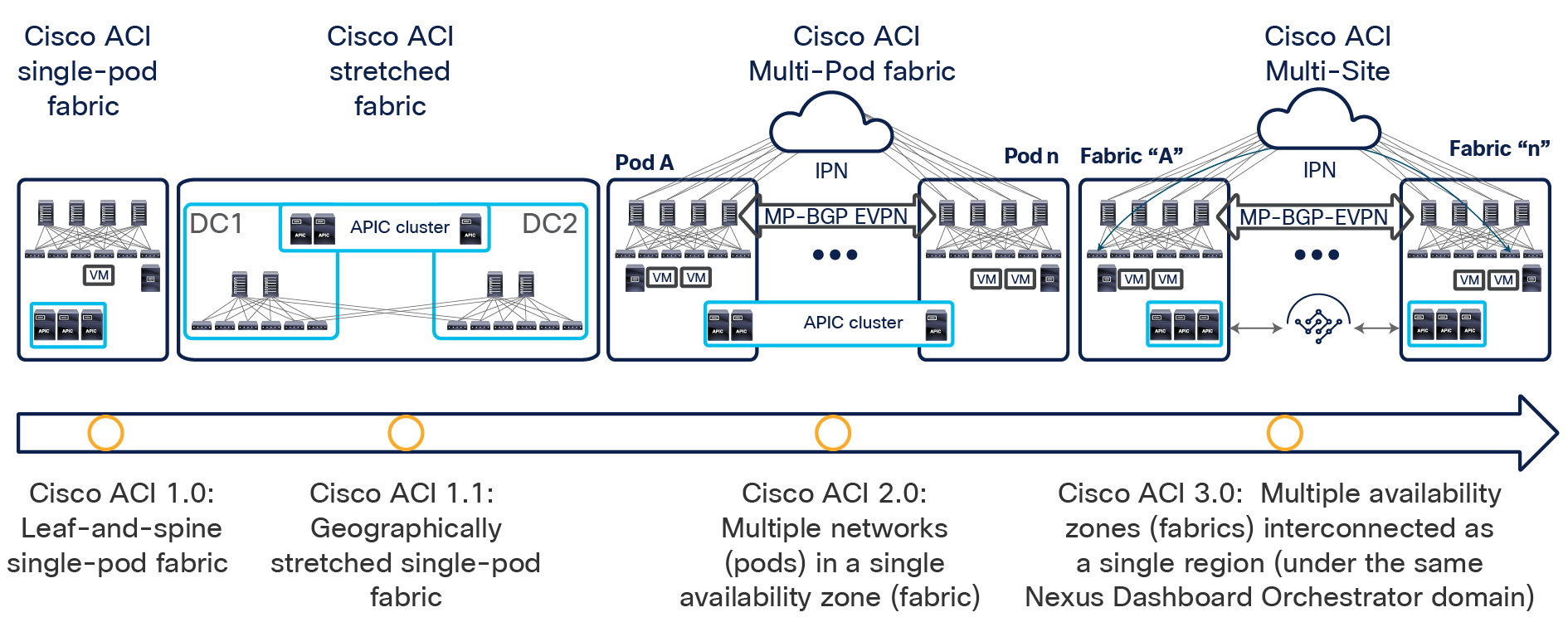
The APIC controller acts as the central brain of this environment. It translates organizational intent into automated configurations across the spine-leaf architecture. This ensures low-latency paths and predictable performance for every workload. Additionally, micro-segmentation enhances security by isolating endpoint groups and enforcing strict communication contracts.
The Situation Room: Strategic Analysis
The Translation (Clear Context)
Technically, we are moving from “Configuring Boxes” to “Defining Policies.” In the past, if you wanted to change how an application behaved, you had to log into every router. Now, you define a policy—such as “Video traffic always gets priority”—and the software reconfigures the hardware automatically. This is the hallmark of Modern Network Infrastructure.
The Socio-Economic Impact
For the Pakistani citizen, this development is a catalyst for economic stability. As local businesses adopt SD-WAN and ACI, they become more competitive in the global IT export market. Precision networking reduces operational downtime for banks, hospitals, and government portals. Ultimately, this infrastructure lowers the cost of doing business, which translates to more affordable digital services for households.

The Forward Path (Opinion)
This development represents a Momentum Shift. We are no longer just maintaining old systems; we are architecting a digital frontier. Organizations that partner with experts like Wateen to deploy these technologies are securing a strategic advantage. The transition may be complex, but the baseline efficiency gained is essential for national progress.