
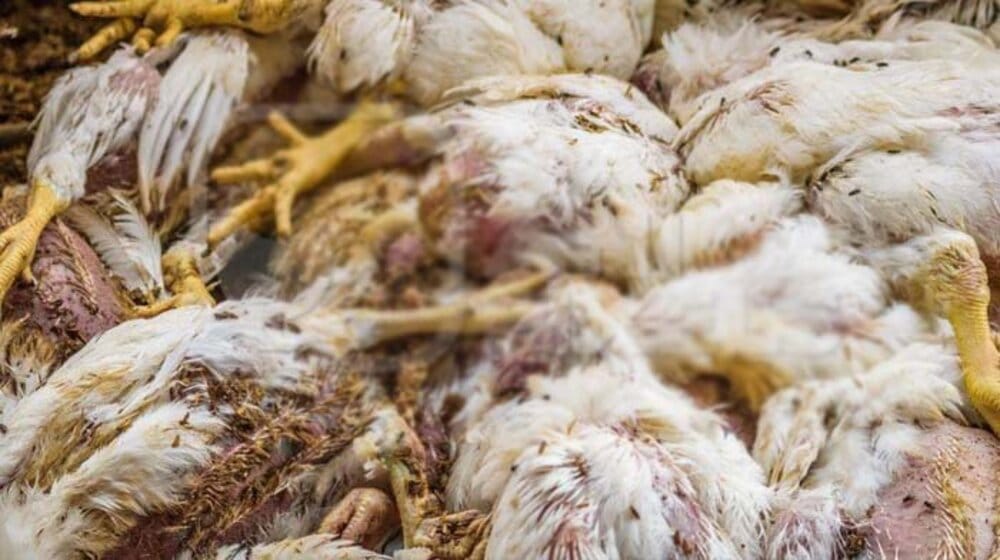
The Punjab Food Authority (PFA) recently executed a calibrated operation to uphold food safety standards in Lahore, resulting in the disposal of 9,645 kilograms of dead poultry. Under the strategic direction of Director General Syed Musa Raza, enforcement teams intercepted a massive supply chain attempt to distribute hazardous meat into the local market. This structural intervention underscores the baseline requirement for systemic transparency in Pakistan’s livestock and hospitality sectors.
Calibrated Enforcement Against Market Adulteration
During a high-precision crackdown at Tollinton Market, officials identified critical failures in storage and hygiene protocols. Beyond the disposal of diseased birds, the PFA seized 40 kilograms of prohibited chemical dyes and various expired additives. Furthermore, the inspection of 36 food units resulted in fines totaling Rs 626,000. These enforcement actions serve as a catalyst for broader industry compliance and market stabilization.
Identifying Structural Failures in Hygiene
The DG PFA reported that restaurant kitchens exhibited severe hygiene deficits, including heavy insect infestations and foul environments. Specifically, dairy and meat products were found stored together in fungus-infected freezers, a practice that violates basic biological safety protocols. Additionally, operators failed to provide oil change records, medical certifications, or training documentation for food handlers. Consequently, these units faced immediate punitive measures to protect the public.
The Situation Room: Strategic Analysis
The Translation
Technical violations such as missing oil change records or improper freezer storage represent a breakdown in the Cold Chain and Hazard Analysis and Critical Control Point (HACCP) protocols. The PFA is not merely conducting cleanliness checks; they are auditing the biological safety of the food lifecycle. When food safety standards are bypassed, the entire supply chain becomes a vector for systemic health risks.
The Socio-Economic Impact
For the average Pakistani citizen, this operation prevents a localized public health crisis. Contaminated poultry is a primary driver of foodborne illnesses, which disproportionately drain household income through medical expenses and reduce labor productivity. By stabilizing the integrity of the meat supply, the state reduces the long-term burden on the national healthcare infrastructure.
The Forward Path (Opinion)
This development represents a Momentum Shift. The scale of this 9,000kg seizure indicates a more sophisticated level of surveillance and a zero-tolerance baseline for market adulteration. Moving forward, the integration of digital tracking for poultry logistics would further enhance the precision of these enforcement operations.








