
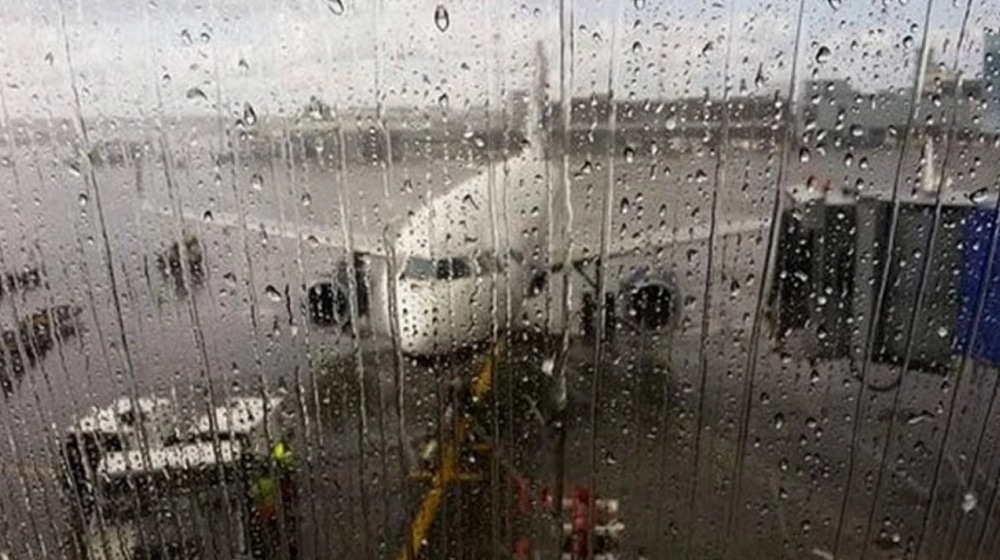
The Allama Iqbal International Airport administration recently confirmed Lahore airport flight cancellations affecting seven domestic and international routes. Consequently, this operational disruption triggered significant delays for several other scheduled departures, challenging the baseline efficiency of our regional aviation hub. Authorities cited technical issues as the primary catalyst for these structural adjustments to the flight schedule.
Detailed Breakdown of Affected Flight Operations
Specific carriers faced immediate cancellations, notably disrupting the strategic corridor between Pakistan and the UAE. Air Blue flights PA-410 and PA-411, servicing the Lahore-Dubai route, remained grounded. Similarly, FlyDubai operations FZ-359 and FZ-360 suffered cancellations, stalling passenger flow to and from the Middle East. Furthermore, Saudi Arabian Airlines canceled flights SV-732 and SV-733, while domestic carrier Fly Jinnah halted flight 9P-842 from Karachi to Lahore.

Operational Delays and Strategic Adjustments
Beyond the cancellations, precision scheduling faced further friction. Fly Dubai flight 9P-500 to Sharjah experienced a calibrated delay of over eight hours. Additionally, Air Blue flight PA-412 and flight KE-582 to Bishkek both departed approximately ninety minutes behind their original targets. The airport administration maintains that they are actively implementing steps to mitigate passenger inconvenience during this period of instability.
The Translation (Clear Context)
When airport authorities cite “technical issues,” they are often referring to a cascade of maintenance protocols or logistical friction in ground handling systems. In this context, the simultaneous cancellation of flights across multiple international carriers suggests a potential systemic bottleneck at the Lahore terminal or a centralized safety audit. This is not merely a “bad day” for travel; it is a calibrated response to ensure aircraft integrity and passenger safety in a high-stakes environment.
The Socio-Economic Impact
The ripple effect of these cancellations extends far beyond the terminal. For the Pakistani citizen, particularly the overseas worker or entrepreneur, these disruptions represent a loss of man-hours and potential economic friction. The Lahore-Dubai-Jeddah routes are vital catalysts for trade and remittance. Consequently, an 8-hour delay or a full cancellation can disrupt international supply chains and personal financial stability for households reliant on precision travel.
The Forward Path (Opinion)
This development represents a Stabilization Move. While mass cancellations are frustrating, the decision to ground aircraft due to technical parameters prioritizes long-term safety over short-term metrics. However, for Pakistan to achieve a “Next Gen” aviation standard, we must transition from reactive maintenance to predictive infrastructure management. Reducing the frequency of these “technical” disruptions is essential for our national advancement and global competitiveness.








